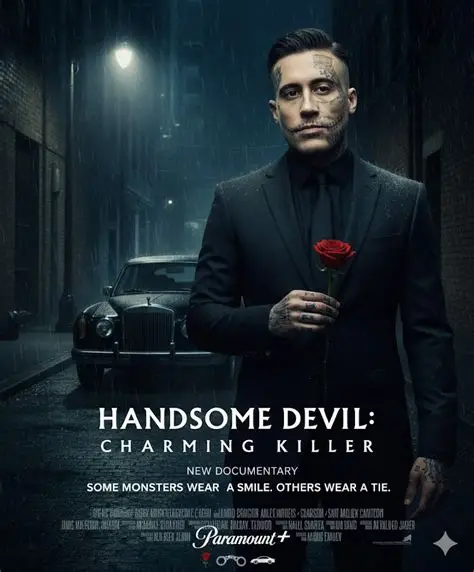
When Charm Becomes a Weapon
A True Crime Story That Feels Like a Movie
At first glance, Handsome Devil: Charming Killer (2026) feels like many other true-crime stories.
There is a killer.
There are victims.
There is a courtroom.
However, within minutes, the series makes one thing clear: this story is not only about murder. It is about perception. It is about attraction. And most dangerously, it is about how charm can become a weapon.
Unlike traditional crime documentaries that focus only on facts and timelines, Handsome Devil takes a cinematic approach. It builds tension slowly. It uses silence carefully. It lets the audience sit with discomfort instead of rushing toward answers.
As a result, the experience feels less like watching a documentary and more like watching a psychological thriller—except everything is real.
The Man Behind the Name
The series centers on Wade Wilson, a man whose name alone created confusion and dark fascination online. However, Handsome Devil avoids turning him into a caricature.
Instead, the documentary presents him as he appeared to the world at first: confident, calm, and unsettlingly charming.
From early interviews and archival footage, Wilson does not look like what many people expect a killer to look like. He smiles easily. He speaks softly. He holds eye contact.
This contrast becomes the core tension of the series.
Because while his appearance feels familiar and even likable, his actions are anything but.

Charm as a Dangerous Disguise
One of the strongest ideas in Handsome Devil: Charming Killer is that evil does not always announce itself.
Sometimes, it blends in.
Sometimes, it flirts.
Sometimes, it smiles for the camera.
The documentary shows how Wilson’s appearance and demeanor influenced how people responded to him—both before and after his arrest. Social media posts, comments, and reactions are shown on screen, revealing a disturbing truth: many viewers focused more on how he looked than on what he did.
As a result, the series asks a difficult question:
Why does society sometimes confuse attractiveness with innocence?
The Victims Are Not Forgotten
Importantly, Handsome Devil never allows charm to overpower reality.
The series carefully centers the victims and their families. Through interviews and respectful storytelling, it reminds viewers that behind every headline are lives that were violently cut short.
Rather than sensationalizing the crimes, the documentary focuses on the impact. Friends describe the silence left behind. Family members speak about routines that were never the same again.
These moments are quiet. They are restrained. And because of that, they are devastating.
The filmmakers understand that true horror does not need exaggeration.
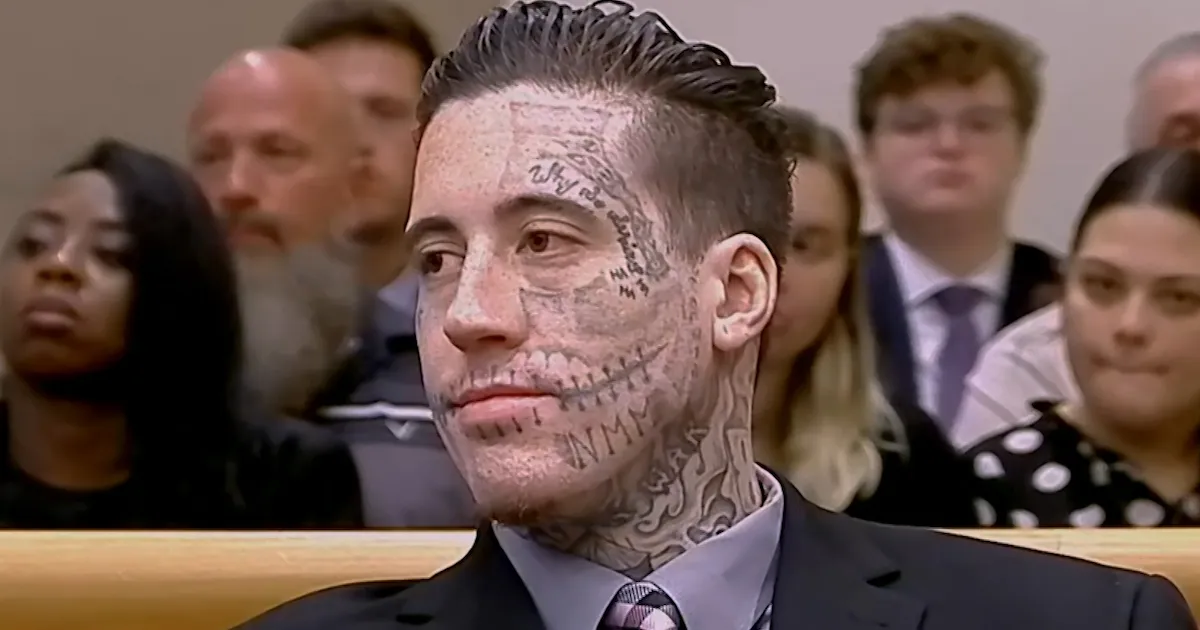
A Cinematic Structure
What makes Handsome Devil feel cinematic is its structure.
The series does not unfold chronologically in a simple way. Instead, it moves between timelines, gradually revealing details as the audience becomes more emotionally invested.
Music is used sparingly. When it appears, it is subtle and tense. Long pauses replace dramatic narration. Sometimes, the camera lingers on empty rooms, court hallways, or faces that struggle to find words.
This approach turns the documentary into an experience rather than a report.
The Role of Social Media
One of the most disturbing elements of the series is its exploration of social media culture.
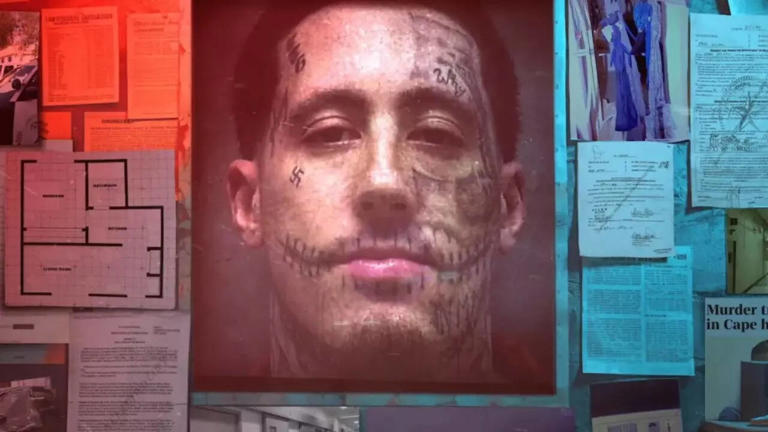
After Wilson’s arrest, his mugshot spread rapidly online. Comments poured in. Fan accounts appeared. Jokes, edits, and admiration followed.
The documentary does not shame viewers directly. Instead, it holds up a mirror.
By showing real posts and reactions, Handsome Devil forces the audience to confront an uncomfortable reality: the internet can turn criminals into characters, and violence into content.
This section of the series feels especially relevant in 2026, when attention often moves faster than empathy.
Law Enforcement Without Glorification
Unlike many crime documentaries, Handsome Devil avoids portraying law enforcement as heroes or villains.
Detectives speak calmly. Prosecutors explain facts without drama. The focus stays on procedure, evidence, and consequence.
This grounded approach keeps the series from becoming sensational. It reinforces the idea that justice is not cinematic. It is slow. It is imperfect. And it is often emotionally draining for everyone involved.
A Title with Purpose
The title Handsome Devil: Charming Killer is intentionally uncomfortable.
It forces viewers to acknowledge how language shapes perception. By placing “handsome” next to “killer,” the series challenges the audience to examine their own reactions.
Do we flinch at the word “devil,” or do we linger on “handsome”?
The discomfort is the point.
Why This Story Matters Now
In 2026, true crime is everywhere. Podcasts, series, and social media clips fill daily life. Yet not all of them pause to ask why these stories attract us.
Handsome Devil does.
It is not interested in turning violence into entertainment. Instead, it explores how fascination itself can become dangerous—especially when it overshadows accountability and empathy.
The series reminds us that charm does not cancel cruelty. Appearance does not erase responsibility. And attention, when misplaced, can distort truth.
Final Thoughts on Article One
The first chapter of Handsome Devil: Charming Killer sets the tone with confidence and restraint.
It is unsettling without being exploitative.
It is cinematic without being fictional.
And most importantly, it respects the weight of the story it tells.
Rather than asking viewers to judge, it asks them to reflect.
And that reflection stays long after the screen fades to black.