A Dark Legend That Redefined the Ninja Turtles Forever
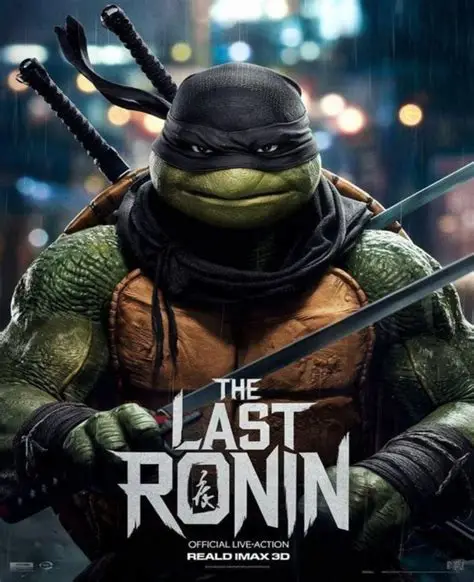
For decades, Teenage Mutant Ninja Turtles has stood as one of the most recognizable pop-culture franchises in the world. From animated series and toys to blockbuster films, the turtles have always represented humor, brotherhood, and youthful energy. However, The Last Ronin tells a very different story. It is darker, quieter, and far more emotional.
Although a 2026 film adaptation has not been officially released, Teenage Mutant Ninja Turtles: The Last Ronin has become viral due to its powerful source material and ongoing discussion about a potential live-action future. The story itself has already left a deep mark on fans and critics alike.
This article explores why The Last Ronin feels so important, how it reshapes the Ninja Turtles myth, and why audiences around the world continue to talk about it.
A Future Without Hope
The Last Ronin takes place in a bleak future version of New York City. Crime rules the streets, order has collapsed, and the city feels cold and empty. Unlike earlier TMNT stories, there is no playful tone here. From the very first pages, the story establishes loss and isolation.
Only one Ninja Turtle remains alive.
The other three brothers, along with Master Splinter, are gone. Their deaths hang over the story like a shadow. The lone survivor carries not only weapons, but also guilt, memory, and grief. He moves through the city as a ghost, driven by one final mission: justice.
This shift in tone immediately separates The Last Ronin from everything that came before it. It is not a children’s adventure. It is a story about trauma, survival, and the cost of violence.
A Hero Shaped by Loss
One of the most powerful elements of The Last Ronin is its focus on character rather than action. The remaining turtle is no longer a symbol of youthful rebellion. Instead, he represents endurance.
Throughout the story, flashbacks reveal moments from the past: laughter between brothers, training sessions with Splinter, and small conversations that once felt unimportant. Now, these memories carry great emotional weight.
Rather than presenting a perfect hero, the story shows someone broken but still moving forward. He questions his choices. He remembers mistakes. At times, he even questions whether revenge is worth the cost.
This emotional depth explains why fans consider The Last Ronin one of the most mature Ninja Turtles stories ever written.
Violence with Meaning, Not Spectacle
Although The Last Ronin contains action and combat, it never uses violence as entertainment alone. Every fight feels heavy. Every injury matters.
Unlike traditional superhero stories, there are consequences. The hero does not heal quickly. Pain follows him. Fatigue slows him down. This realism adds tension and credibility to the narrative.
More importantly, violence serves the story rather than dominating it. Each confrontation pushes the character closer to a final decision: continue living in anger, or find peace through truth.
This approach aligns closely with modern psychological crime and drama films, which focus on internal conflict rather than spectacle.
Why the Story Went Viral
The reason The Last Ronin became viral is simple: it respected its audience.
Fans who grew up with Ninja Turtles were ready for a story that matured alongside them. Instead of repeating familiar jokes or formulas, the creators trusted readers to engage with complex emotions and darker themes.
Social media discussions exploded as fans shared reactions, fan art, and emotional responses. Many described the story as “unexpected,” “heartbreaking,” and “beautiful.” Others praised it for proving that legacy franchises can evolve without losing their identity.
Even without an official 2026 film release, the demand for a live-action adaptation continues to grow. The story feels cinematic by nature, which fuels constant speculation and excitement.
The Meaning of Legacy
At its core, The Last Ronin is a story about legacy.
The surviving turtle carries not only his own identity, but also the memory of his brothers. Their voices remain with him. Their lessons guide his actions. In this way, they never truly disappear.
The story suggests that legacy is not about winning battles. It is about what remains after loss. It is about honoring the past while choosing how to move forward.
This theme resonates strongly in modern storytelling, where audiences seek meaning rather than simple victory.
Can It Work as a Film?
Many fans believe The Last Ronin would succeed as a film, especially if handled with care. The story fits naturally into a grounded, serious cinematic style similar to films like Logan or The Dark Knight.
However, adapting it would require courage. A lighter tone would weaken its impact. A rushed narrative would remove its emotional power.
If adapted properly, The Last Ronin could redefine how audiences view the Ninja Turtles—not as cartoon icons, but as tragic heroes shaped by time and loss.
A New Chapter for a Classic Franchise
Whether or not a 2026 film becomes reality, Teenage Mutant Ninja Turtles: The Last Ronin has already achieved something rare. It changed how people see a beloved franchise.
It proved that familiar characters can grow older. It showed that nostalgia does not need to stay frozen in time. Most importantly, it reminded audiences that even stories born from fun and fantasy can explore deep human truths.
In a media landscape filled with reboots and remakes, The Last Ronin stands out as a bold reimagining rather than a repetition.
Conclusion
Teenage Mutant Ninja Turtles: The Last Ronin is not just a darker version of a famous story. It is a reflection on grief, responsibility, and endurance.
Its viral success comes from emotional honesty, not hype. It speaks to fans who have grown up, faced loss, and still believe in the power of heroes—especially flawed ones.
If the story ever reaches the screen, it has the potential to become one of the most meaningful adaptations in comic-book film history.