After two powerful seasons, 1923 has proven that the Yellowstone universe can tell stories that are both epic and deeply human. Season 1 introduced hardship. Season 2 delivered loss, endurance, and hard-earned hope. A hypothetical Season 3, set in 1926, would not simply continue the story—it would transform survival into legacy.
If Season 1 was about standing your ground, and Season 2 was about paying the price, Season 3 would be about what remains after the storm.
A World Changed by Pain
By the end of Season 2, the Dutton family has survived violence, betrayal, and near collapse. But survival does not mean peace. In a believable Season 3, the story opens on a Montana that feels quieter—but more dangerous. The land still matters, but now power is shifting.
Banks, rail companies, and politicians no longer attack with guns alone. They use contracts, taxes, and laws. The enemy has learned to wear a suit.
Jacob Dutton, older and slower, understands this truth. He knows that brute force will no longer protect the ranch. The world has changed, and the Duttons must change with it—or disappear.
This shift in tone would define Season 3. The violence becomes less visible, but more suffocating. The threat is no longer just death. It is erasure.
Jacob and Cara: The Final Guardians
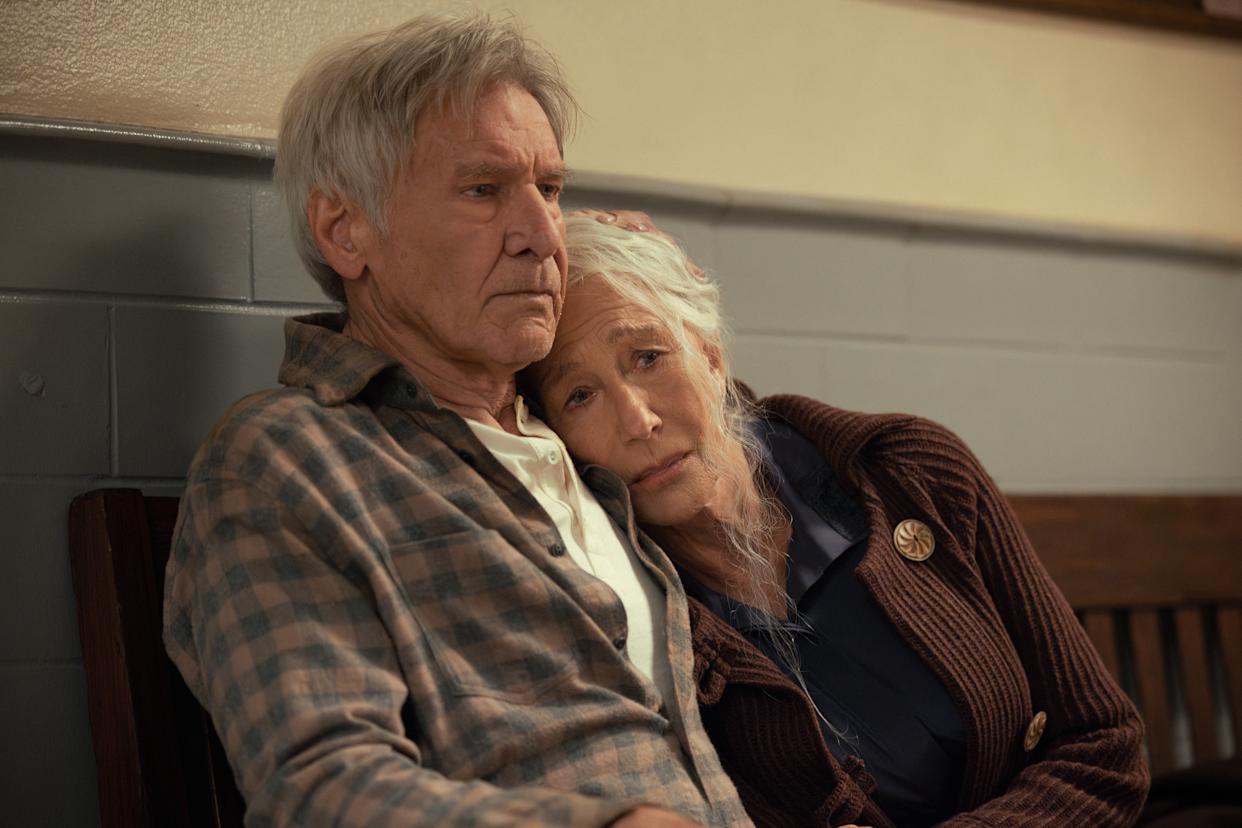
Harrison Ford’s Jacob Dutton has always represented stubborn strength. In Season 3, that strength would become fragile. Age is not his weakness—irrelevance is. Jacob now faces a painful truth: the land he fought for may soon belong to a generation that no longer understands sacrifice.
Cara Dutton, portrayed with quiet power by Helen Mirren, becomes the emotional center of the season. She is no longer only a protector. She becomes a keeper of memory. Cara understands that if the Dutton story is not told correctly, others will rewrite it.
Season 3 would allow Cara to step fully into leadership—not with violence, but with strategy. Her words, not weapons, shape the future. She negotiates. She manipulates. She reminds enemies that the Duttons are not relics. They are survivors.
Their relationship in Season 3 would feel tender and final. Less fire. More reflection. Every conversation carries the weight of endings.
Spencer Dutton: A Man Without War
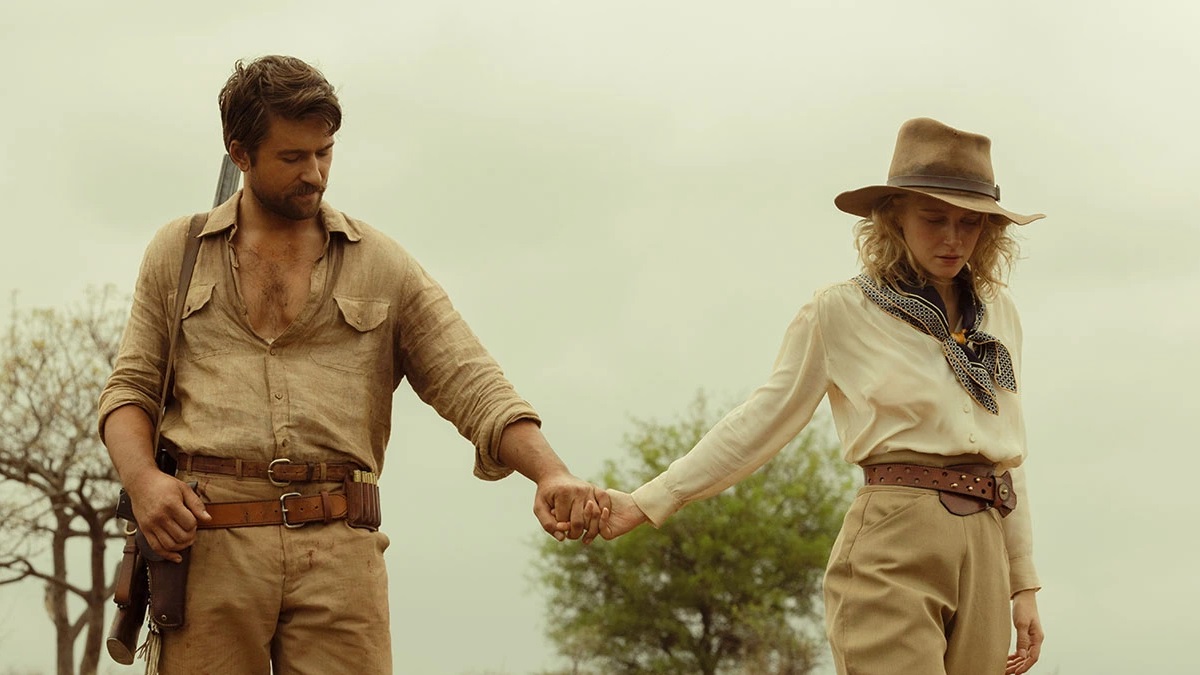
Spencer Dutton returns to Montana a changed man. In earlier seasons, war shaped him. Violence gave him purpose. But in Season 3, there is no battlefield to run toward. Only responsibility.
Spencer struggles with peace more than he ever did with war. He knows how to kill. He does not know how to rule.
This inner conflict becomes the spine of the season. Spencer is expected to lead, but leadership now demands patience, compromise, and vision. These are not his instincts. His arc in Season 3 would focus on restraint—learning when not to act.
The ranch tests him in new ways. Workers challenge him. Outsiders doubt him. Family members fear he may become too much like the enemies they fight.
Spencer’s journey is no longer about survival. It is about earning trust.
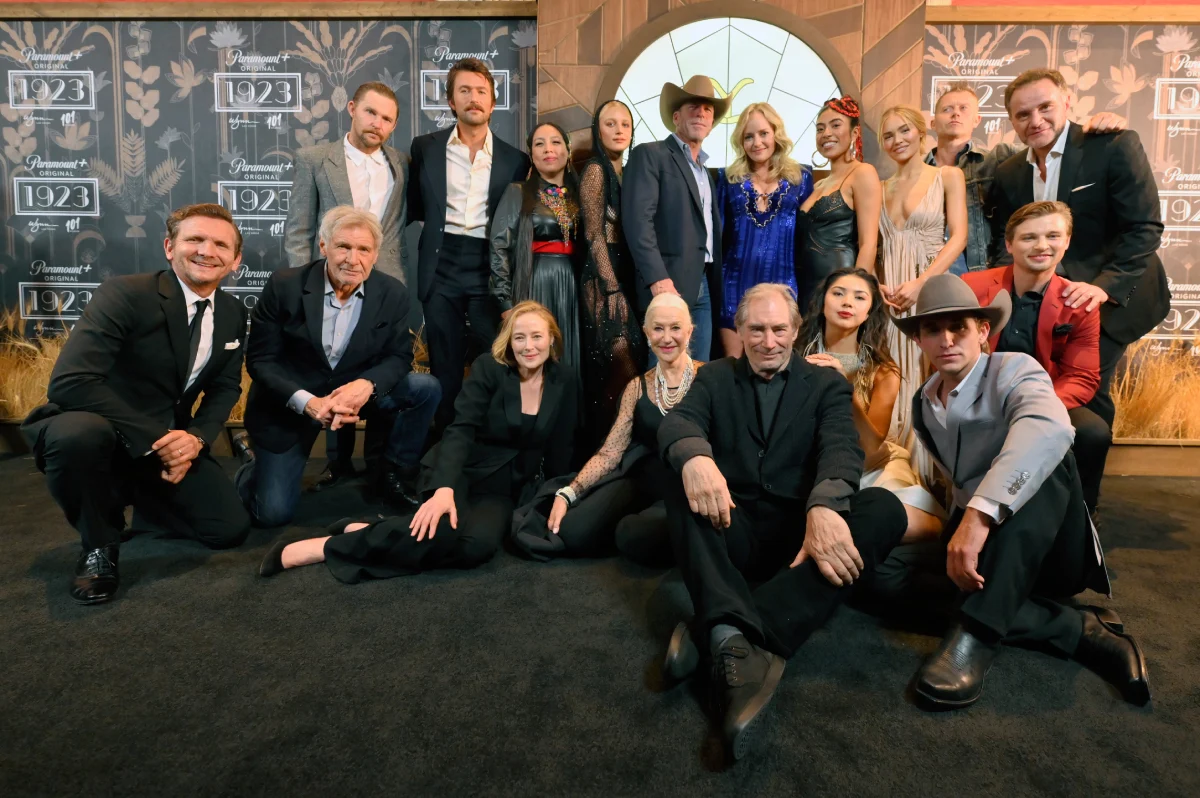
Alexandra: The Cost of Belonging
Alexandra’s role deepens in Season 3. No longer an outsider, she now pays the price of belonging to the Dutton family. The romance fades into reality. Love becomes work.
Alexandra represents the future the Duttons cannot control. She believes in education, modernization, and cooperation. Her worldview clashes with the old ways—but it also offers solutions.
Season 3 would place Alexandra at the center of cultural tension. She is criticized by traditionalists and distrusted by enemies. Yet she may be the only one capable of navigating a changing America.
Her storyline asks a powerful question: Can the Dutton legacy survive without becoming something new?

Teonna Rainwater: A Parallel Legacy
Teonna’s journey has always been the moral soul of 1923. In Season 3, her story no longer runs parallel—it begins to intersect.
Teonna now builds a community grounded in survival, not revenge. She understands loss. She understands systems designed to destroy identity. Her strength lies in remembering.
A believable Season 3 would slowly bring Teonna and the Duttons closer—not as allies, but as reflections of one another. Both fight for land. Both fight for dignity. Both refuse to vanish.
The show does not force peace. It allows understanding.
This balance respects history without simplifying it.
The True Villain: Time
Season 3 would make one thing clear: the true enemy is not a man, but time itself. Progress marches forward. Borders shift. Laws change. Stories fade.
The Duttons are no longer fighting to expand. They are fighting to be remembered correctly.
This theme elevates Season 3 beyond a traditional Western. It becomes a meditation on legacy. Who tells history? Who owns it? And what happens when memory disappears?
Why Season 3 Would Matter
A hypothetical Season 3 of 1923 would succeed not by raising the stakes through violence, but by deepening the emotional cost. It would reward long-time viewers with mature storytelling and quiet power.
Rather than undoing the ending of Season 2, it would honor it—showing what happens after survival. After revenge. After victory.
Season 3 would not be about fighting harder. It would be about choosing wisely.
In a television landscape crowded with spectacle, 1923 – Season 3 would stand apart as a story about aging, change, and the courage to let go without surrendering identity.
And that is why, if it ever existed, Season 3 would not feel unnecessary.
It would feel inevitable.