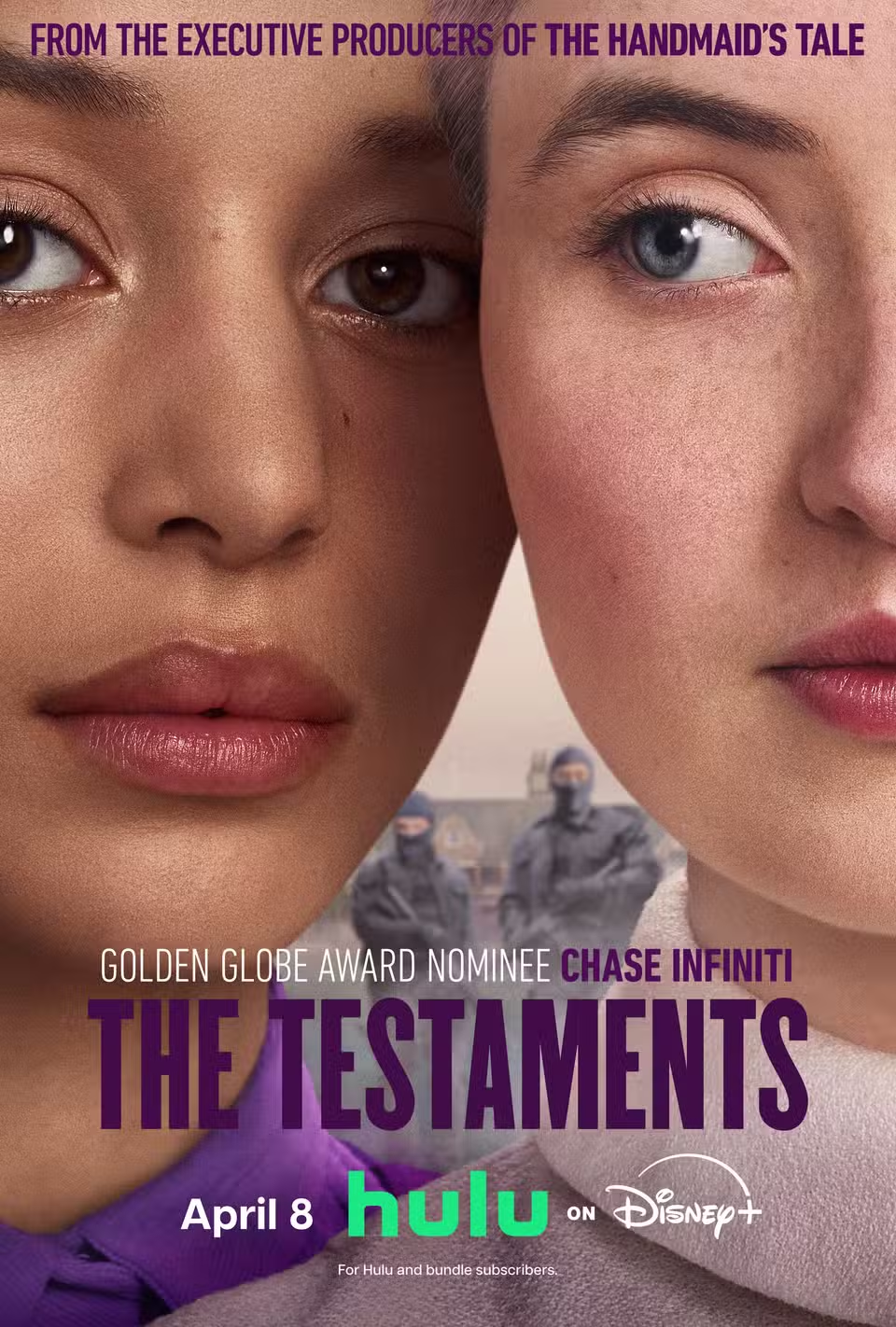
Few television dramas have left a cultural impact as profound as The Handmaid’s Tale. For nearly a decade, audiences followed June Osborne’s fight against the brutal theocracy of Gilead, witnessing one of television’s most powerful stories of resistance, survival, and hope. Now, The Testaments arrives as the highly anticipated continuation of that world, shifting the focus away from the revolutionaries who challenged Gilead and toward the young women destined to shape its future.
Based on Margaret Atwood’s acclaimed 2019 novel, The Testaments is not simply another sequel. It is a story about what happens after a regime has consolidated power, how authoritarian systems sustain themselves across generations, and what occurs when the people raised within those systems begin to question everything they have been taught.
A New Chapter in the World of Gilead
Set years after the events that defined The Handmaid’s Tale, The Testaments explores a society that remains deeply oppressive yet increasingly fragile. Gilead continues to project strength and stability, but beneath its carefully controlled image, cracks are beginning to appear.
Unlike its predecessor, which largely centered on June Osborne’s perspective, The Testaments introduces a new generation of protagonists. These young women have grown up under Gilead’s rules and know little of the world that existed before the regime took power. Their experiences offer viewers a fresh perspective on a familiar setting.
The series examines how ideology is passed from one generation to the next and what happens when individuals begin to recognize the contradictions within the system that raised them.
Aunt Lydia Takes Center Stage
One of the most significant differences between The Handmaid’s Tale and The Testaments is the expanded role of Aunt Lydia.
Portrayed once again by Ann Dowd, Aunt Lydia remains one of the most complex characters in modern television. Throughout The Handmaid’s Tale, she was both enforcer and believer, helping maintain a system responsible for immense suffering while occasionally revealing flashes of compassion and doubt.
In The Testaments, Lydia becomes far more than a symbol of authority. The story explores her growing awareness of Gilead’s corruption and the difficult choices she faces as the regime she helped build begins to reveal its deepest flaws.
Rather than presenting Lydia as a straightforward hero or villain, the series continues to explore the moral ambiguity that has defined her character from the beginning. Her journey is one of self-examination, survival, and reckoning.
Meet Agnes and Daisy
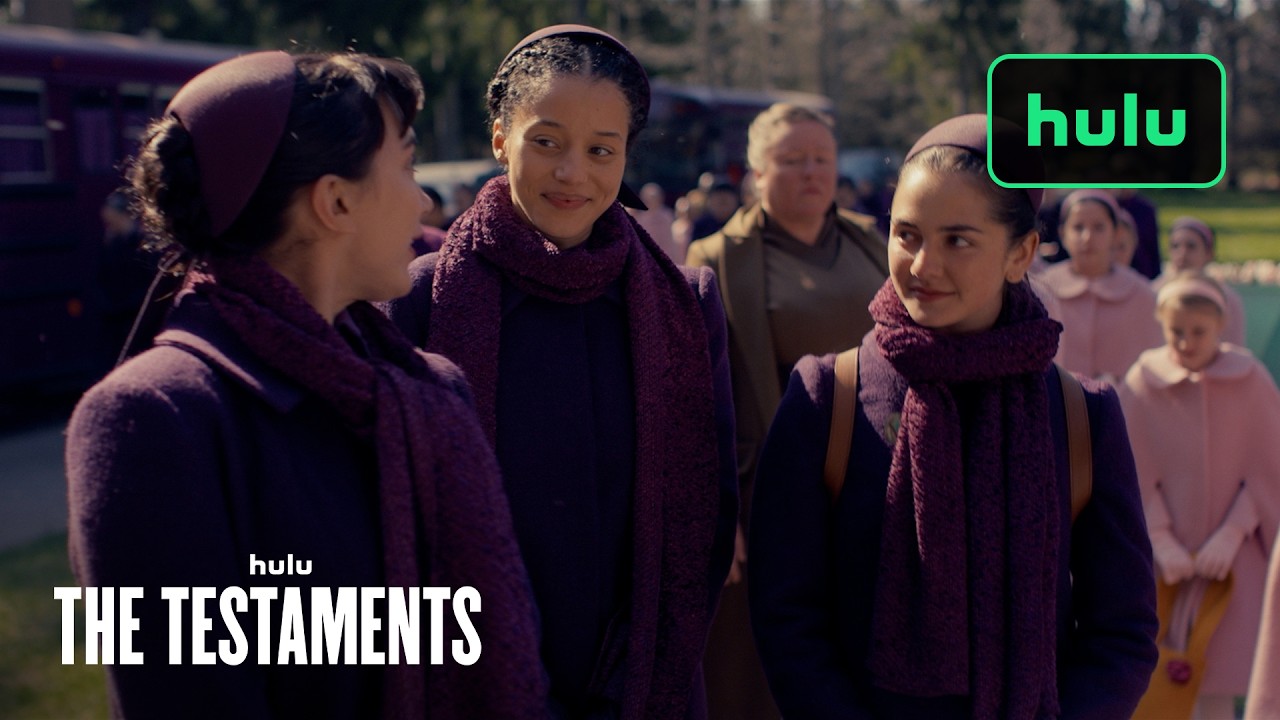
At the heart of The Testaments are two young women whose lives unfold on opposite sides of Gilead’s influence.
Agnes MacKenzie, played by Chase Infiniti, has been raised within Gilead and accepts many of its teachings as truth. Her life appears predetermined, shaped by expectations of obedience, marriage, and conformity. Yet as she learns more about the society around her, Agnes begins to question the foundations upon which her world is built.
Lucy Halliday portrays Daisy, a teenager living outside Gilead who unexpectedly finds herself connected to events far larger than she could ever imagine. As hidden truths emerge, Daisy becomes increasingly entangled in the political and personal conflicts surrounding Gilead’s future.
Together, Agnes and Daisy represent two very different experiences of the same historical reality. One has lived inside the system. The other has grown up beyond its borders. Their stories gradually converge, revealing secrets that could alter the course of countless lives.
Expanding the Themes of The Handmaid’s Tale
While fans may expect another story focused primarily on resistance, The Testaments broadens the thematic scope of the franchise.
The series explores questions of identity, indoctrination, memory, and generational responsibility. It asks whether people can truly escape the systems that shaped them and whether meaningful change can occur without understanding the past.
Much of the drama emerges not from large-scale battles or political confrontations but from personal discoveries. Characters are forced to confront uncomfortable truths about their families, their beliefs, and the institutions they once trusted.
This emphasis on psychological conflict gives The Testaments a distinct identity while preserving the tension and emotional depth that made The Handmaid’s Tale so compelling.
How Closely Does the Series Follow Margaret Atwood’s Novel?
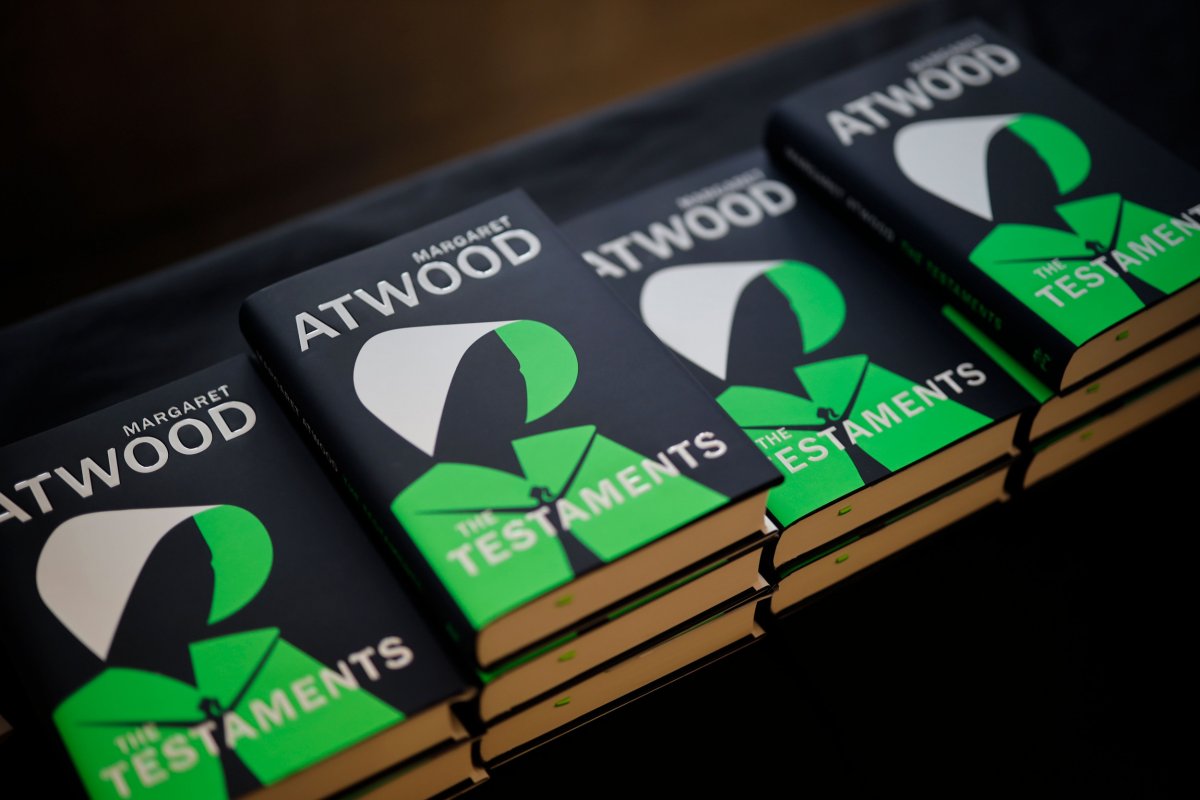
Margaret Atwood’s novel serves as the foundation for the adaptation, but the television series has room to expand upon the source material.
The book is structured around multiple narrators and secret testimonies that gradually reveal the hidden workings of Gilead. The series retains many of these narrative elements while using television’s visual storytelling strengths to deepen character relationships and expand the world beyond the page.
Fans of the novel will recognize many familiar plot threads, while viewers who have never read the book can still enter the story through its character-driven approach.
The adaptation seeks to honor Atwood’s themes while making them accessible to a contemporary television audience.
What About June Osborne?
One of the biggest questions surrounding The Testaments concerns the role of June Osborne.
Elisabeth Moss remains closely connected to the franchise and serves as an executive producer. However, The Testaments is not a continuation centered on June in the same way that The Handmaid’s Tale was.
Instead, the narrative intentionally shifts focus toward younger characters whose futures will determine what comes next for Gilead. While June’s legacy continues to influence events, the story belongs primarily to Agnes, Daisy, and Aunt Lydia.
This creative decision allows the franchise to evolve naturally while preserving the significance of June’s earlier journey.
Why The Testaments Matters
The success of The Handmaid’s Tale established Gilead as one of television’s most recognizable fictional societies. Yet The Testaments demonstrates that the story was never solely about one woman’s fight for freedom.
It is ultimately about generations.
It is about the people who inherit broken systems, the individuals who challenge official narratives, and the difficult process of confronting historical truths.
By focusing on characters who grew up in a world shaped by fear and control, The Testaments offers a new perspective on resistance. It examines not only how oppressive systems function but also how they begin to unravel.
For longtime fans, the series provides a meaningful continuation of a beloved franchise. For newcomers, it serves as an accessible entry point into one of modern television’s most thought-provoking universes.
As Gilead’s future hangs in the balance, The Testaments reminds viewers of a timeless truth: no system built on secrecy and fear can remain unchallenged forever.