When Apple TV+ quietly pulled The Problem with Jon Stewart in late 2023, the move barely made a ripple — at first. Then came the aftershocks. For some, it was just another streaming shuffle. For others, it was a sign that even a trillion-dollar company can’t handle a voice it can’t control.
Jon Stewart had returned to television in 2021 with grand ambitions: a show that tackled everything from Big Tech to climate change with humor and heart. Backed by Apple, it looked like the perfect match — the sharpest satirist of his generation paired with the sleekest company on earth. But by the second season, cracks were showing. Apple executives reportedly grew uneasy with Stewart’s plans to dive into hot-button topics like China, artificial intelligence, and corporate influence.
“It wasn’t censorship,” Stewart later said. “But they didn’t want me saying things that might get me in trouble.” He mentioned Apple’s reluctance to let him book certain guests — including FTC Chair Lina Khan — and recalled how an interview with economist Larry Summers “changed the mood” after Apple’s business practices came up.
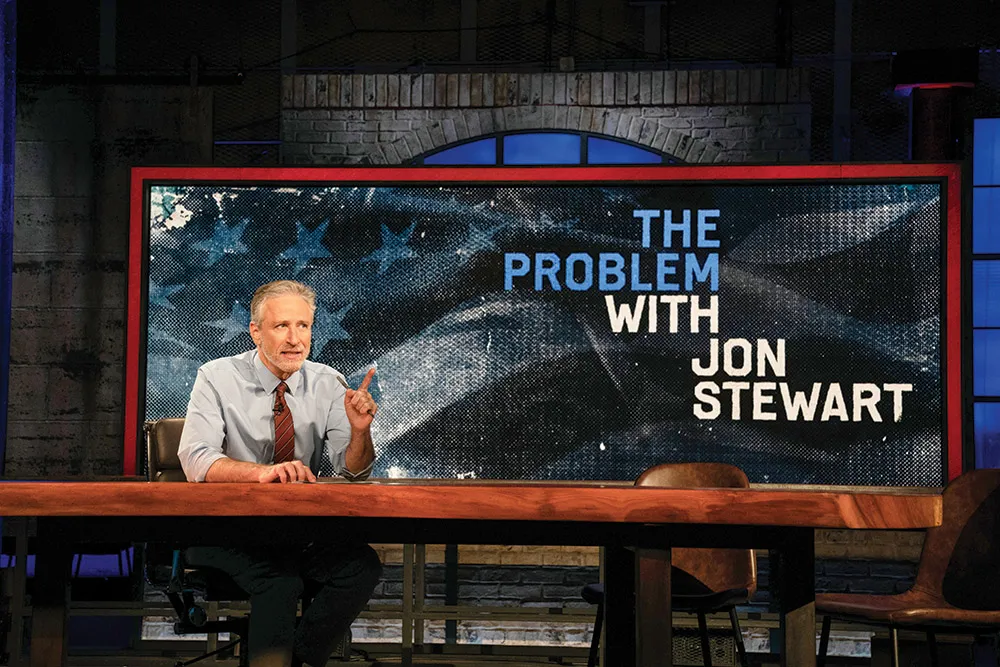
Apple, for its part, insisted there was no bad blood — just “creative differences.” Yet the phrase rang hollow. For a comedian who built his career challenging power, working under a company so intertwined with global politics was bound to end in friction.
The Silent Clash
Stewart’s story isn’t just about one canceled show — it’s a glimpse into how modern media operates under invisible guardrails. Apple’s vast presence in China, its ties to defense tech, its cautious brand image — all these factors shape what kind of “truth” it’s comfortable airing. The moment that truth starts to threaten markets, the volume gets turned down.
This quiet form of control isn’t unique to Apple. Every platform has its pressure points — the sponsors, the shareholders, the global markets that define their limits. Stewart just had the audacity to say it out loud.
Enter Colbert
After the cancellation, Stephen Colbert — Stewart’s former Daily Show protégé — couldn’t resist a jab:
“Apple canceled Jon Stewart again,” he quipped on The Late Show, “this time without an update notification.”
It was a joke, but also a signal — a nod from one media insider to another. Rumors of Stewart and Colbert joining forces for a new project have swirled ever since, though nothing concrete has surfaced. Still, the idea alone — that two of late night’s most influential voices might build something outside corporate walls — is enough to make Hollywood uneasy.
Back to His Roots
In early 2024, Stewart returned to The Daily Show, reclaiming the desk that made him famous. His comeback wasn’t about nostalgia; it was about freedom. “It’s nice to be somewhere I can say what I want,” he joked — a thinly veiled wink at Apple’s “creative boundaries.”
The audience roared. After years of polished, algorithm-driven entertainment, Stewart’s honesty felt like rebellion.
The Bigger Question
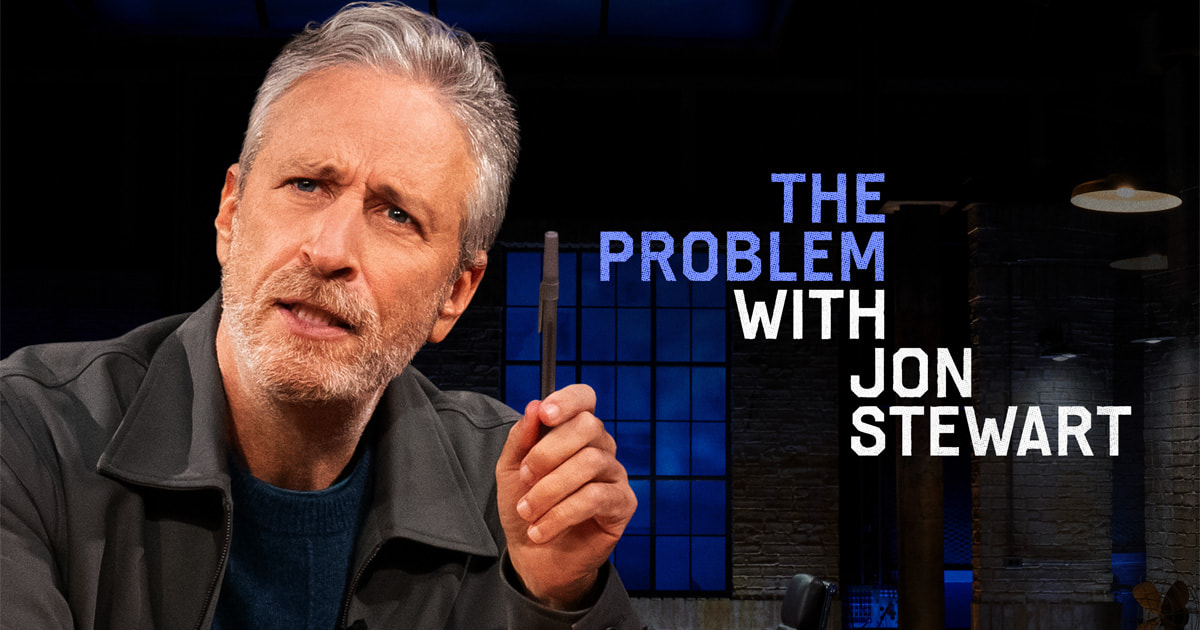
Stewart’s clash with Apple isn’t a scandal; it’s a case study in modern storytelling. What happens when truth-tellers depend on the very systems they critique? How far can satire go before it threatens the hand that feeds it?
Apple didn’t silence Jon Stewart — but it did remind the world how fragile creative independence can be when business interests loom larger than ideals. And Stewart, in turn, reminded Apple that some voices don’t fade quietly.
“When you’re in someone else’s house,” he once said, “there are rules.”
But every so often, someone walks out — and builds a new one.