
Christmas is meant to be a season of warmth—of glowing hearths, wrapped gifts, and polite smiles exchanged beneath mistletoe. But in Agatha Christie’s Marple: A Christmas Mystery (2026), Christmas becomes something else entirely: a carefully staged illusion, behind which resentment, greed, and long-buried guilt wait patiently for the snow to fall.
This latest adaptation of Christie’s beloved Miss Marple does not merely set a murder against a festive backdrop. It weaponizes the season itself. Every carol, every candlelit dinner, every forced family embrace becomes part of the crime.
And at the center of it all stands Miss Jane Marple—quiet, observant, underestimated, and utterly relentless.
A Christmas Gathering That Was Never About Celebration
The film opens not with violence, but with ritual.
A large country house, isolated by winter. Snow drapes the hedges like a shroud. Inside, a wealthy family gathers for what appears to be a traditional Christmas reunion. There is laughter, but it arrives half a second too late. There are smiles, but they do not reach the eyes.
The victim—an affluent patriarch with a reputation for generosity and control—presides over the gathering like a benevolent monarch. Yet from the earliest scenes, A Christmas Mystery makes one thing clear: this is not a family reunited by love, but by obligation.
Miss Marple arrives as a guest of convenience—an elderly acquaintance invited precisely because no one expects her to matter. She knits. She listens. She notices who avoids whom, which gifts are met with forced gratitude, and which silences linger too long.
By the time the first glass of sherry is poured, the audience already understands what the characters refuse to admit: this Christmas was destined to end in tragedy.

The Murder That Shatters the Illusion
The crime itself is almost disappointingly quiet.
There is no scream. No dramatic collapse. The body is discovered alone, away from the festivities—an unsettling contrast to the warmth echoing through the halls moments earlier. Death intrudes not as spectacle, but as interruption.
What makes the murder chilling is not its method, but its timing. It occurs at the precise moment when everyone is supposedly together, when alibis should be strongest, when no one should have been alone long enough to kill.
And yet, someone was.
The film’s brilliance lies in how it treats the murder not as the climax, but as the beginning of exposure. With the illusion of harmony broken, each character is forced to confront what they had hoped Christmas would conceal.
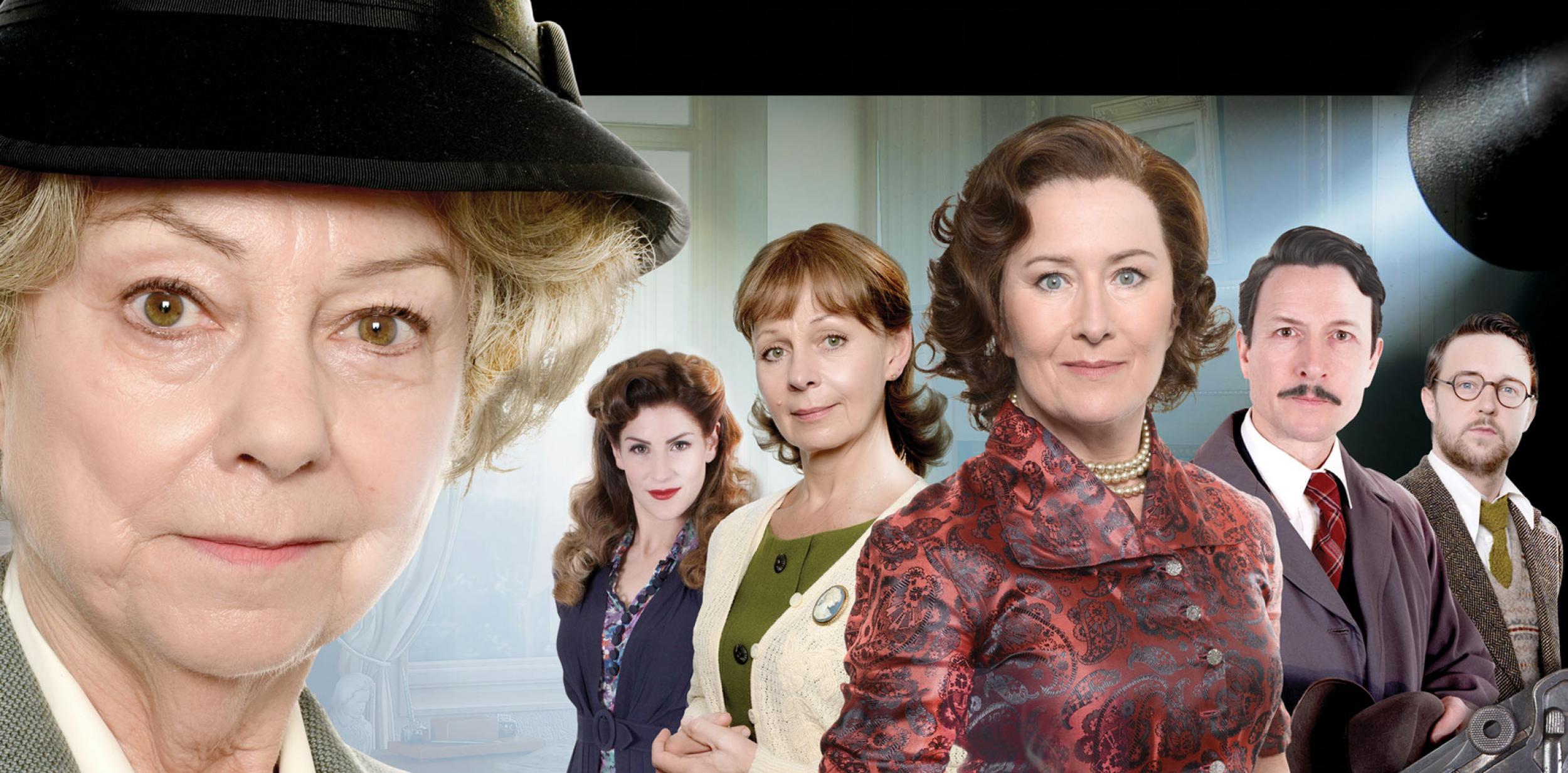
Miss Marple: The Outsider Who Sees Everything
Miss Marple’s role in this story is deceptively modest. She does not interrogate. She does not accuse. She does not rush.
Instead, she does what Christie’s greatest detective has always done best: she compares human behavior to patterns she has already seen.
Village squabbles. Inherited grudges. Quiet envy disguised as politeness. To Miss Marple, this grand house is no different from a small parish—only the stakes are higher and the lies more carefully rehearsed.
Her investigation unfolds through observation:
-
Who resents the victim’s generosity because it came with control
-
Who depended on his wealth yet despised him for it
-
Who smiled too easily when the death was announced
Miss Marple understands something the others do not: murder rarely erupts from hatred alone—it grows from familiarity.
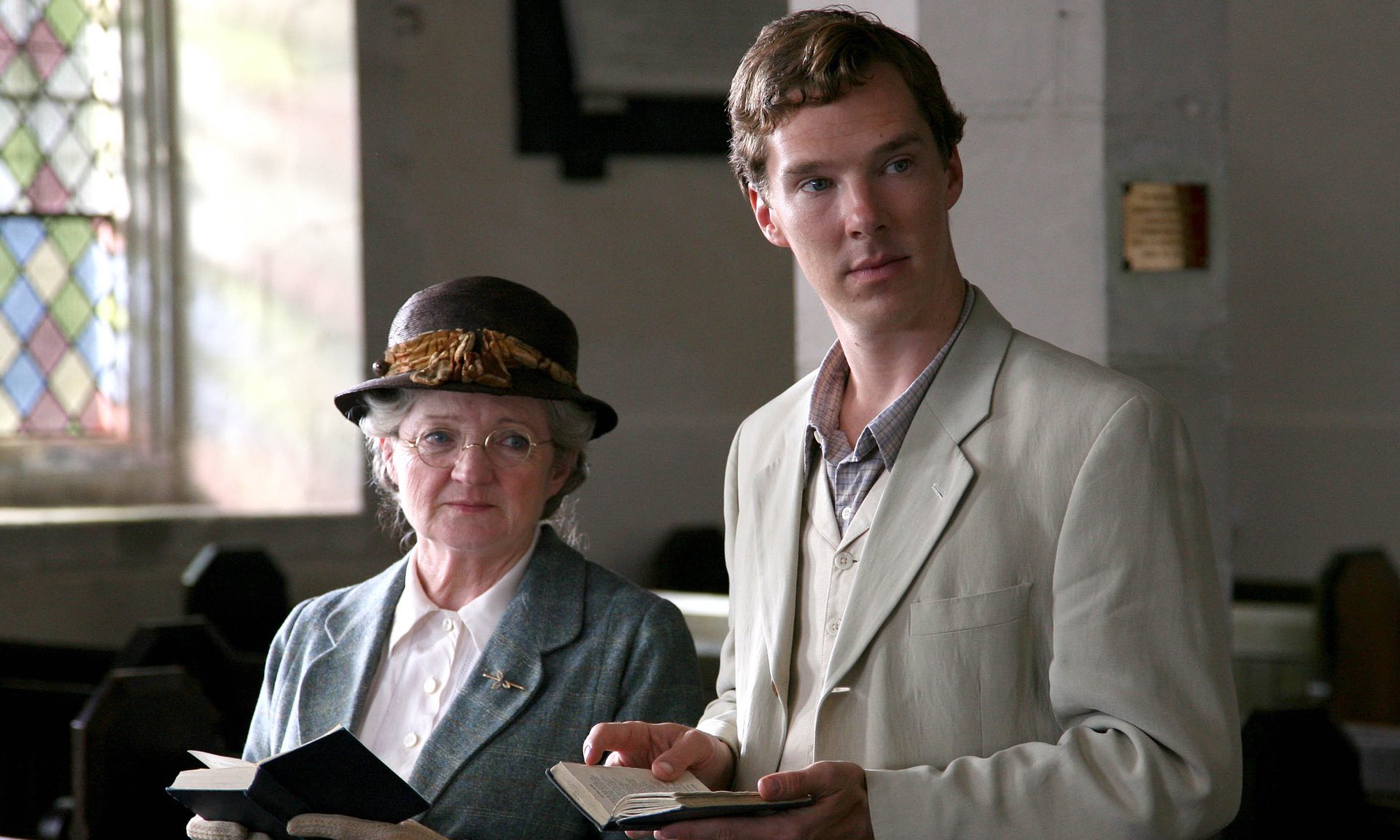
Christmas as a Mask for Motive
One of the film’s most compelling achievements is how it uses Christmas traditions as narrative devices.
Gift-giving becomes transactional rather than generous. A carefully chosen present reveals obligation, not affection. Carols underscore tension rather than joy. Even shared meals become battlegrounds, where polite conversation hides accusations never voiced aloud.
The holiday setting allows the killer to exploit assumptions:
-
That family members would not harm one another
-
That Christmas softens hearts
-
That nostalgia overrides resentment
Miss Marple dismantles these assumptions piece by piece. In her world, Christmas does not erase motive—it sharpens it.A Web of Suspects, Each With Something to Lose
True to Christie’s style, A Christmas Mystery offers no obvious villain. Every suspect is plausible. Every alibi fragile.
A resentful heir, quietly suffocating under expectation.
A dependent relative terrified of financial abandonment.
A charming outsider whose presence disrupts the family’s balance.
A loyal servant who knows far more than they admit.
The film resists modern temptation to rush revelations. Instead, it allows suspicion to breathe. Conversations unfold slowly. Glances linger. Small inconsistencies accumulate until denial becomes impossible.
The audience is not led—they are invited to observe alongside Miss Marple.

The Tone: Cozy, Cold, and Unforgiving
Visually, the film embraces contradiction. The interiors glow with firelight and Christmas décor, while the exteriors are harsh, silent, and frozen. This contrast mirrors the emotional landscape of the story: warmth on the surface, cruelty underneath.
The pacing is deliberate, almost old-fashioned. There are no frantic edits or musical stings to announce danger. Tension emerges through stillness.
This restraint honors Christie’s legacy. The film trusts that human nature is suspenseful enough on its own.
Why This Mystery Feels Timeless
Though set against a traditional backdrop, Agatha Christie’s Marple: A Christmas Mystery feels uncannily modern in its themes.
It explores:
-
The resentment created by financial dependency
-
The performance of family unity
-
The danger of politeness that suppresses truth
These are not relics of the past. They are enduring social dynamics—especially during holidays, when expectations collide with reality.
Miss Marple does not condemn these people for their flaws. She simply recognizes where those flaws lead when left unchecked.
The Promise of Revelation
As the film moves toward its conclusion, the pieces align not through coincidence, but through character. The truth, when revealed, feels both shocking and inevitable—the hallmark of Christie’s greatest mysteries.
The killer is not exposed through a clever trick, but through emotional logic. Their motive makes sense not because it excuses them, but because it reveals the cost of years spent pretending.
Miss Marple delivers justice without triumph. There is no satisfaction in being right—only a quiet acknowledgment that human beings are capable of extraordinary cruelty when trapped by expectation.
Final Reflection: A Christmas Story Without Comfort
Agatha Christie’s Marple: A Christmas Mystery (2026) understands that the most unsettling crimes are not those committed in darkness, but those committed in the light—surrounded by people who should have seen it coming.
This is not a story about the corruption of Christmas.
It is a story about how easily we use tradition to avoid truth.
And Miss Marple, as ever, is the one person who refuses to look away.