1. From Individuals to Infrastructure
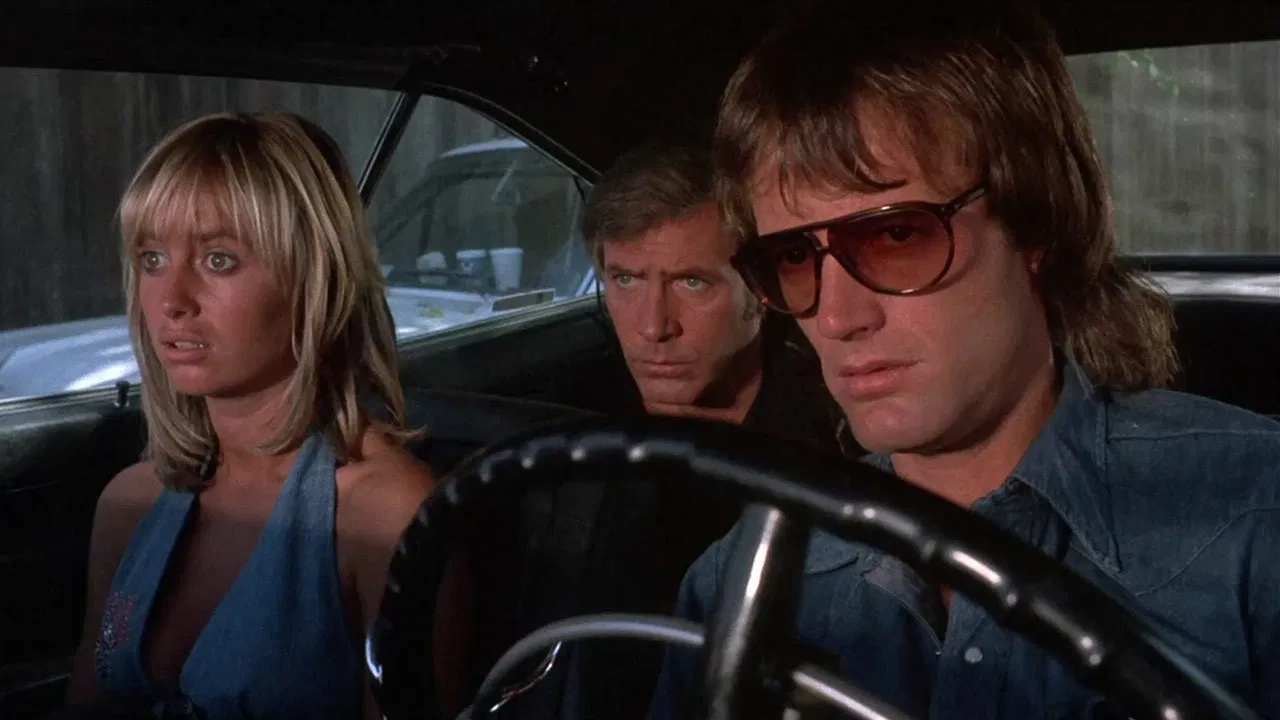
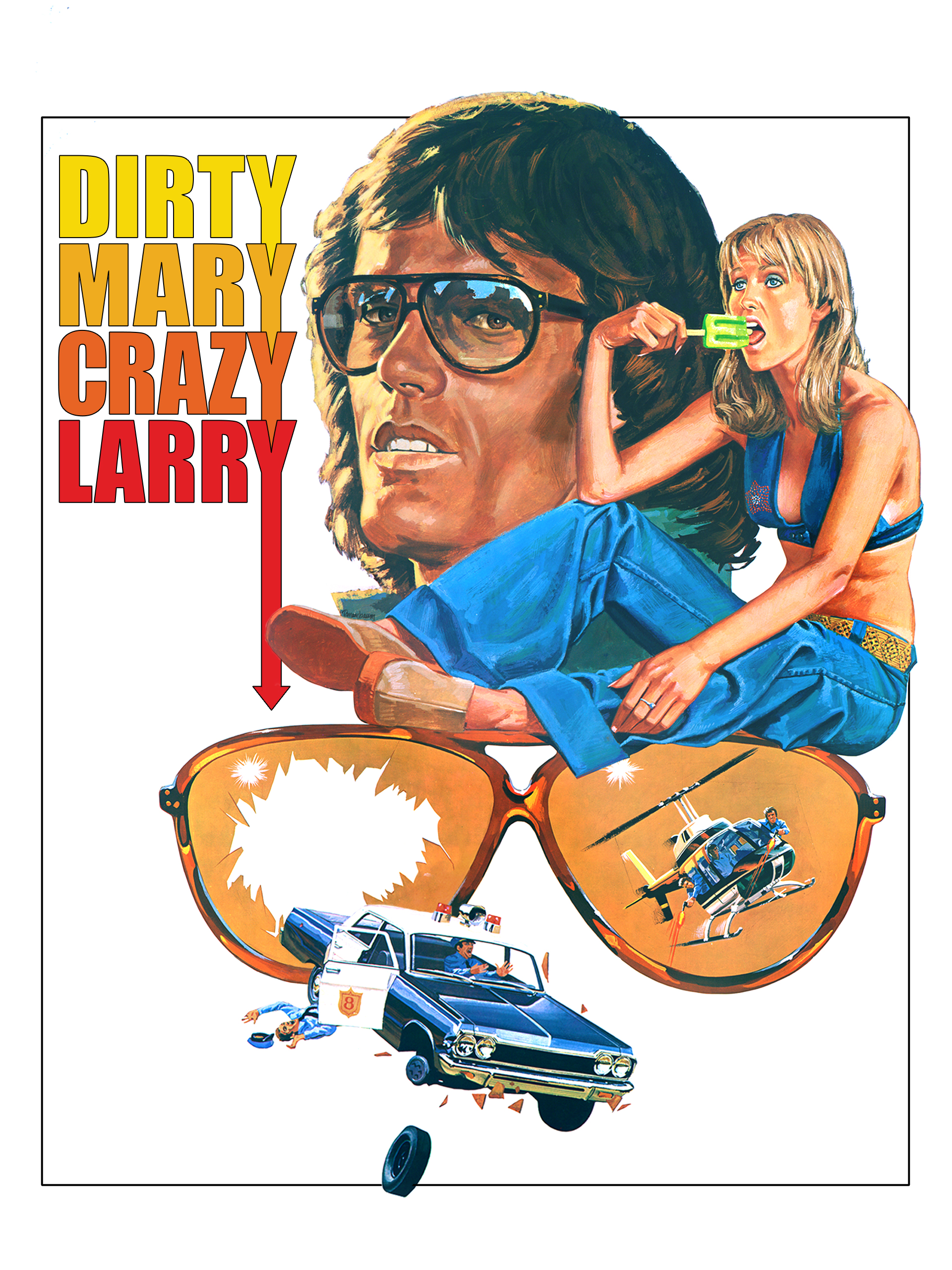
In its final movement, Dirty Mary, Crazy Larry (2026) shifts focus. The film slowly pulls attention away from its characters and toward the world surrounding them. People remain important, yet systems begin to dominate the frame.
At this stage, the chase no longer feels personal. Law enforcement fades into procedure. Emotion drains from pursuit. Instead, infrastructure takes control.
Roads narrow. Barriers appear. Algorithms predict movement. As a result, escape becomes less about skill and more about probability.
This shift defines the film’s modern identity. In 1974, men chased men. In 2026, systems anticipate behavior. The enemy no longer needs a face.
2. The System as the True Antagonist
The film avoids portraying the system as evil. No villain speeches appear. No ideology demands attention. Instead, efficiency rules everything.
This system values safety, order, and predictability. It does not hate Larry, Mary, or Deke. It simply accounts for them.
Because of this, resistance feels futile. Speed disrupts briefly. Chaos interrupts patterns. However, the system absorbs disruption quickly.
The film presents this reality without exaggeration. Technology behaves calmly. Surveillance feels normalized. Control operates quietly.
Therefore, fear comes not from threat, but from inevitability.
3. Captain Franklin — The Human Face of Process
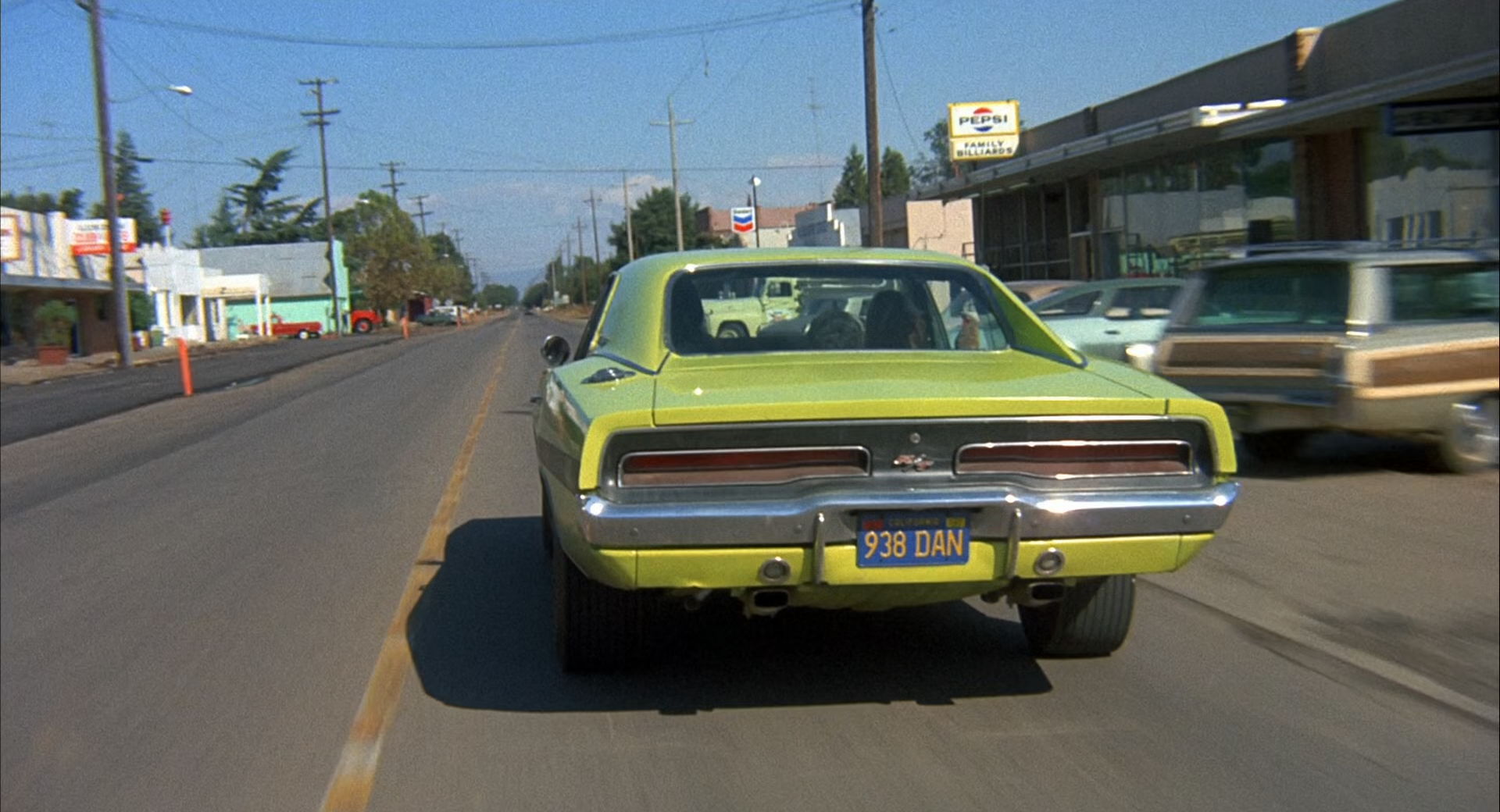
Captain Franklin represents law enforcement, yet he never dominates the screen. He does not raise his voice. He does not express anger. Instead, he trusts data.
Franklin understands that patience wins. He allows the system to work. He interprets patterns rather than reacting emotionally.
Importantly, the film does not frame him as cruel. He respects procedure. He believes in outcomes.
This portrayal matters. It removes moral conflict. Franklin does not fight Larry out of hatred. He simply performs his role.
As a result, the chase loses emotional drama. It becomes mechanical.
4. America After the Myth of the Open Road
For decades, American cinema treated the road as promise. Open highways symbolized reinvention. Motion meant escape.
However, Dirty Mary, Crazy Larry (2026) challenges that myth. Roads still exist, but freedom no longer follows them.
Now, roads belong to systems. They collect data. They enforce patterns. They restrict deviation.
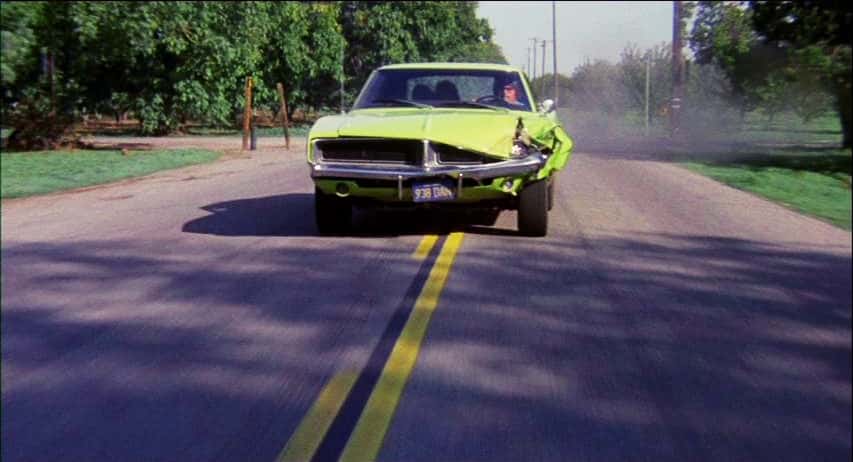
Because of this, speed loses romance. It gains urgency. Larry does not drive to find himself. He drives to delay capture.
The film suggests that the open road still exists visually, but not philosophically. Space remains wide. Choice does not.
5. Why Speed Still Matters
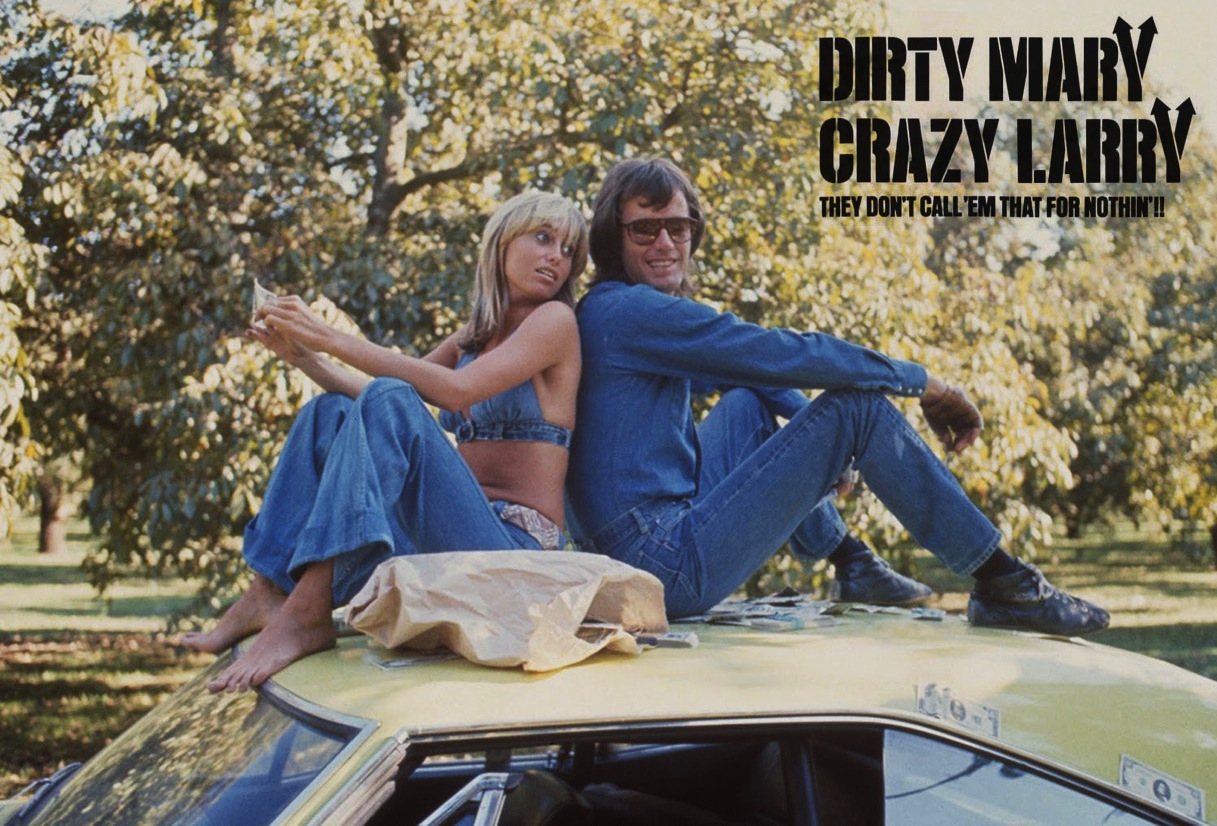
Despite this shift, the film refuses to dismiss speed entirely. Speed still matters because it reveals truth.
When Larry accelerates, systems respond. Patterns tighten. Options shrink. Reality clarifies.
Speed exposes limits. It forces outcomes. It strips illusion.
Therefore, the film treats speed as honesty. It does not save. It reveals.
This idea connects deeply with the film’s tone. Characters do not escape consequence. Instead, they face it faster.
6. The Legacy of the 1974 Original
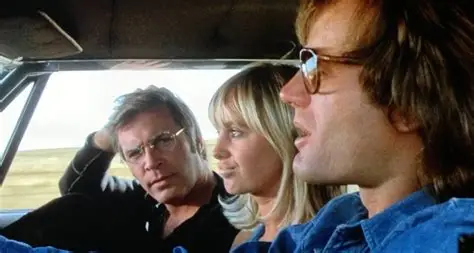
The 1974 Dirty Mary, Crazy Larry ended abruptly. It shocked audiences by denying closure. That ending rejected heroism.
The 2026 version honors that spirit. It preserves fatalism. It rejects triumph. However, it updates meaning.
In the original, fate arrived suddenly. In the remake, fate arrives gradually. Infrastructure replaces surprise.
This evolution reflects cultural change. Society no longer fears chaos. It fears systems that never fail.
Therefore, the remake does not imitate. It translates.
7. Fatalism Without Cynicism
Although the film embraces fatalism, it avoids cynicism. Characters matter. Choices matter.
Larry chooses acceleration. Mary chooses presence. Deke chooses realism.
These choices do not alter outcome. However, they define identity.
The film suggests that meaning exists even when systems dominate. Agency survives inside limits.
This balance gives the film emotional weight. It refuses despair. It accepts reality.
8. Editing as Philosophy
The film’s editing reinforces theme. Early scenes allow breathing room. Shots linger. Space feels open.
As the chase progresses, cuts tighten. Perspective narrows. Motion compresses.
Eventually, editing mirrors inevitability. There is no visual escape. Every cut moves forward.
This approach avoids manipulation. Instead of forcing tension, it reflects structure.
As a result, the audience feels pressure without spectacle.
9. Sound Design — Control Through Quiet
Sound design plays a critical role. Engines dominate early. Wind and road noise overwhelm dialogue.
Later, sound recedes. Silence interrupts motion. Calm replaces chaos.
This shift reflects system dominance. Noise belongs to humans. Silence belongs to structure.
When sound drops out near the end, absence speaks louder than impact.
The film trusts restraint.
10. Why the Ending Refuses Aftermath
The film cuts away without aftermath. No funerals appear. No consequences unfold.
This choice frustrates some viewers. However, it aligns perfectly with theme.
The system does not pause to mourn. Infrastructure does not reflect. Life continues.
By denying aftermath, the film preserves honesty. It refuses comfort.
The story ends where motion ends.
11. Audience Position — Witness, Not Judge
Throughout the film, the audience remains a witness. The film never asks viewers to approve or condemn.
It presents choices. It shows consequences. It steps back.
This neutrality strengthens impact. Viewers project their own values. Meaning emerges internally.
The film trusts intelligence. It avoids instruction.
12. Modern Masculinity and Obsolescence
Larry’s struggle reflects broader cultural tension. Traditional masculinity prized autonomy, speed, and risk.
Modern systems reward compliance, patience, and optimization.
Larry cannot adapt. He accelerates instead.
The film does not celebrate this. It observes collapse.
Mary’s presence complicates this dynamic. She understands limits. She accepts cost. She chooses experience knowingly.
Together, they represent transition. Old instincts collide with new realities.
13. Control Versus Presence
The film contrasts two philosophies. Control seeks stability. Presence seeks truth.
Systems pursue control. Characters pursue presence.
Neither wins completely. However, presence retains dignity.
The film argues quietly. Control governs outcomes. Presence defines meaning.
14. Why This Film Matters Now
In an age of automation, surveillance, and optimization, Dirty Mary, Crazy Larry (2026) feels timely.
It asks simple questions. What happens to those who cannot slow down? What remains when escape disappears?
The film offers no solution. It offers clarity.
Speed becomes refusal. Stillness becomes erasure.
15. Final Reflection — When the Road Ends
When the engine stops, nothing changes. Systems continue. Roads remain. Data updates.
Yet something lingers.
The film leaves behind a feeling, not a message. A sense that motion once meant something pure. A sense that choice still matters, even when outcome feels fixed.
Dirty Mary, Crazy Larry (2026) does not mourn freedom. It documents its transformation.
The road still exists.
It just no longer promises escape.