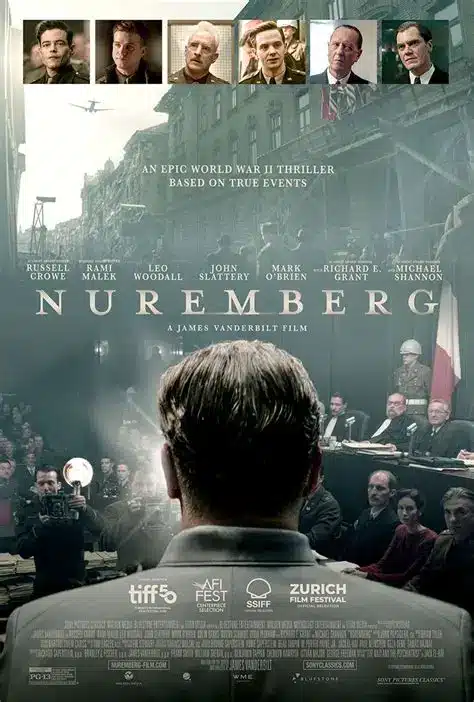
The courtroom is tense, the lights dim, and history looms large in Nuremberg (2025), the latest historical psychological thriller directed by James Vanderbilt. While the film as a whole captures the monumental gravity of the post-World War II trials, it is Russell Crowe’s mesmerizing performance as Hermann Göring that anchors the narrative and elevates it beyond mere historical recounting. Crowe’s embodiment of Göring is both charismatic and chilling, offering audiences a man whose charm belies a deeply unsettling moral void.
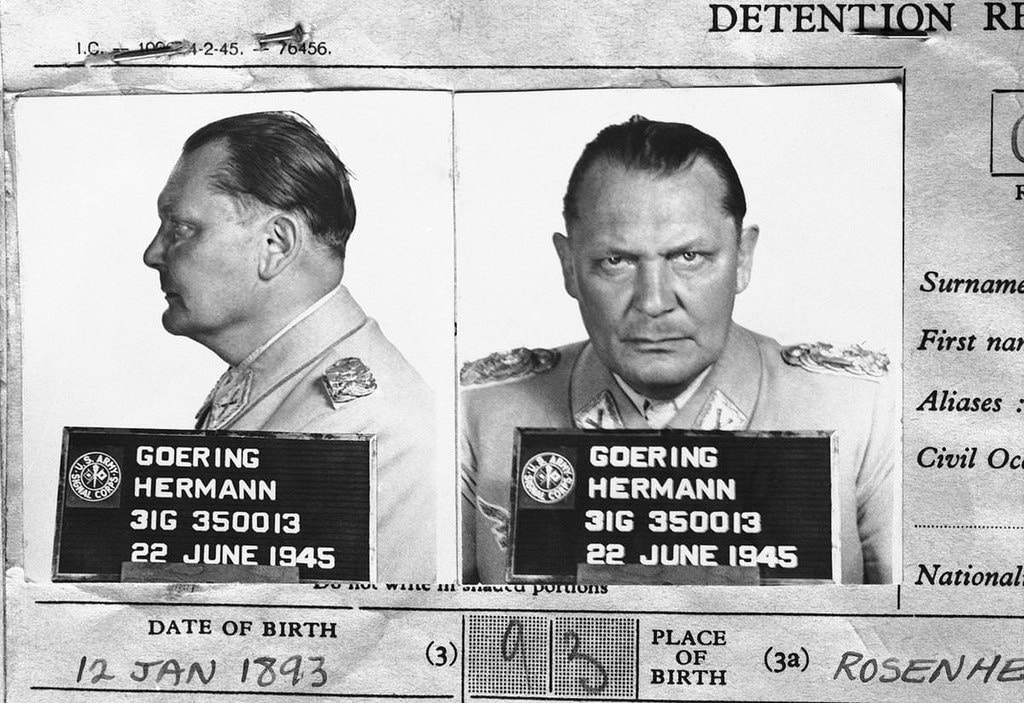
The film’s premise centers around Dr. Douglas Kelley, a U.S. Army psychiatrist tasked with evaluating the mental state of captured Nazi leaders, with the ultimate goal of determining their capacity to stand trial. Rami Malek portrays Kelley with meticulous restraint, capturing the ethical dilemmas and psychological tension inherent in his mission. Yet it is the dynamic interplay between Crowe and Malek that drives the film’s momentum. The dialogue crackles with intelligence and subtext, revealing not only the strategies of the condemned but also the moral uncertainties of those who judge them.
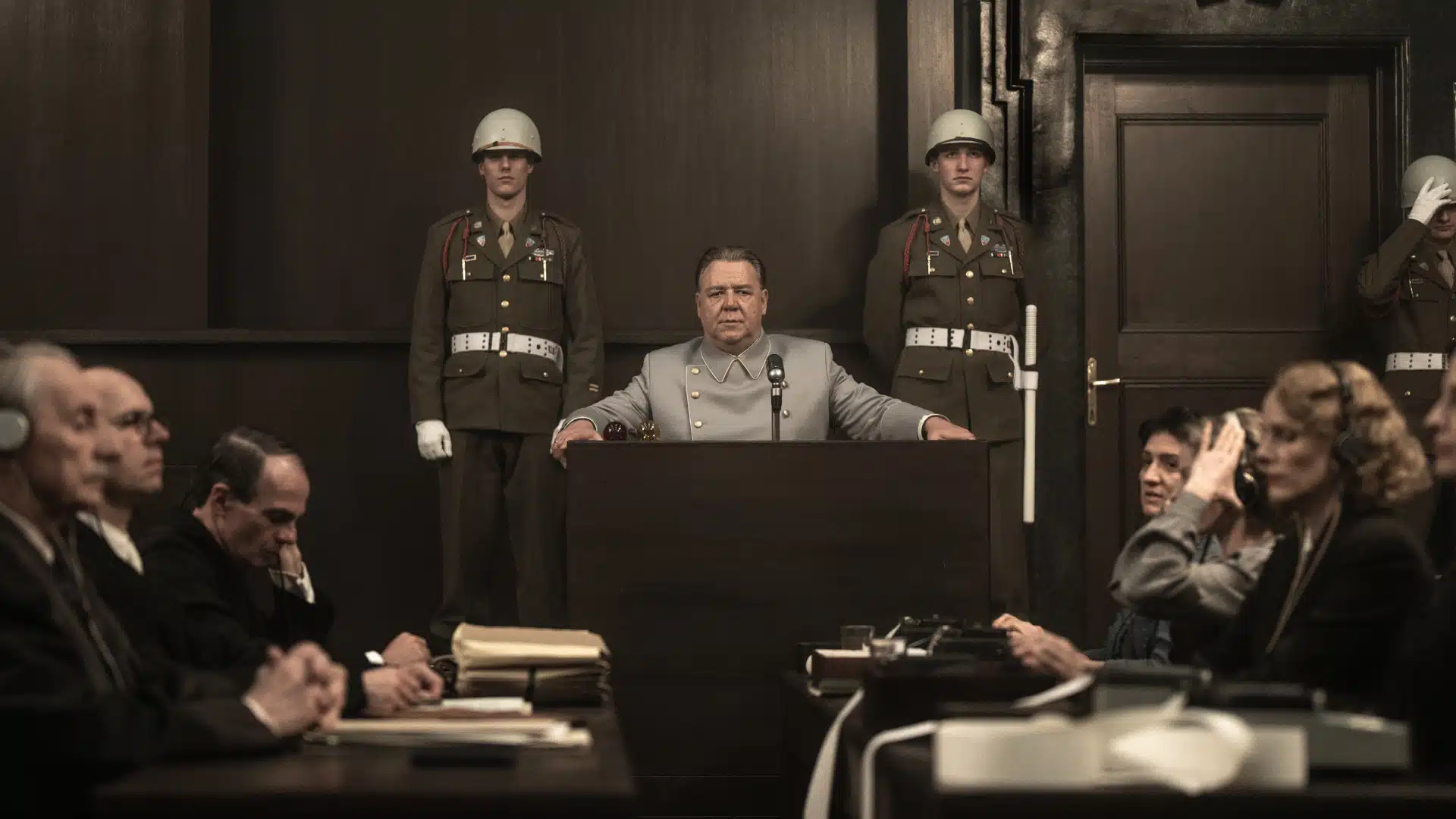
Vanderbilt’s direction highlights these confrontations with stark, atmospheric cinematography. Close-ups emphasize microexpressions, while muted palettes evoke the somber weight of history. The courtroom and holding cells become almost theatrical spaces where power, manipulation, and intellect collide. Crowe’s performance thrives in this environment; every smirk, gesture, and intonation carries a layered meaning, reminding the audience that evil is not always overtly grotesque — sometimes, it is insidiously magnetic.
Supporting performances, including Michael Shannon and Richard E. Grant, provide a solid foundation, each contributing to the claustrophobic tension that permeates the narrative. Yet it is Crowe’s ability to humanize a historical villain without excusing his crimes that lingers longest. The film’s emotional resonance stems less from action than from the moral and psychological weight carried by its characters.
Nuremberg (2025) ultimately proves that a masterclass in acting can transform historical drama into something immediate and visceral. Russell Crowe commands attention not merely as a portrayal of a notorious figure but as an exploration of charisma, corruption, and the dangerous appeal of unchecked power. In a cinematic landscape often dominated by spectacle, Nuremberg reminds us of the enduring power of performance to illuminate the darkest corners of human history.