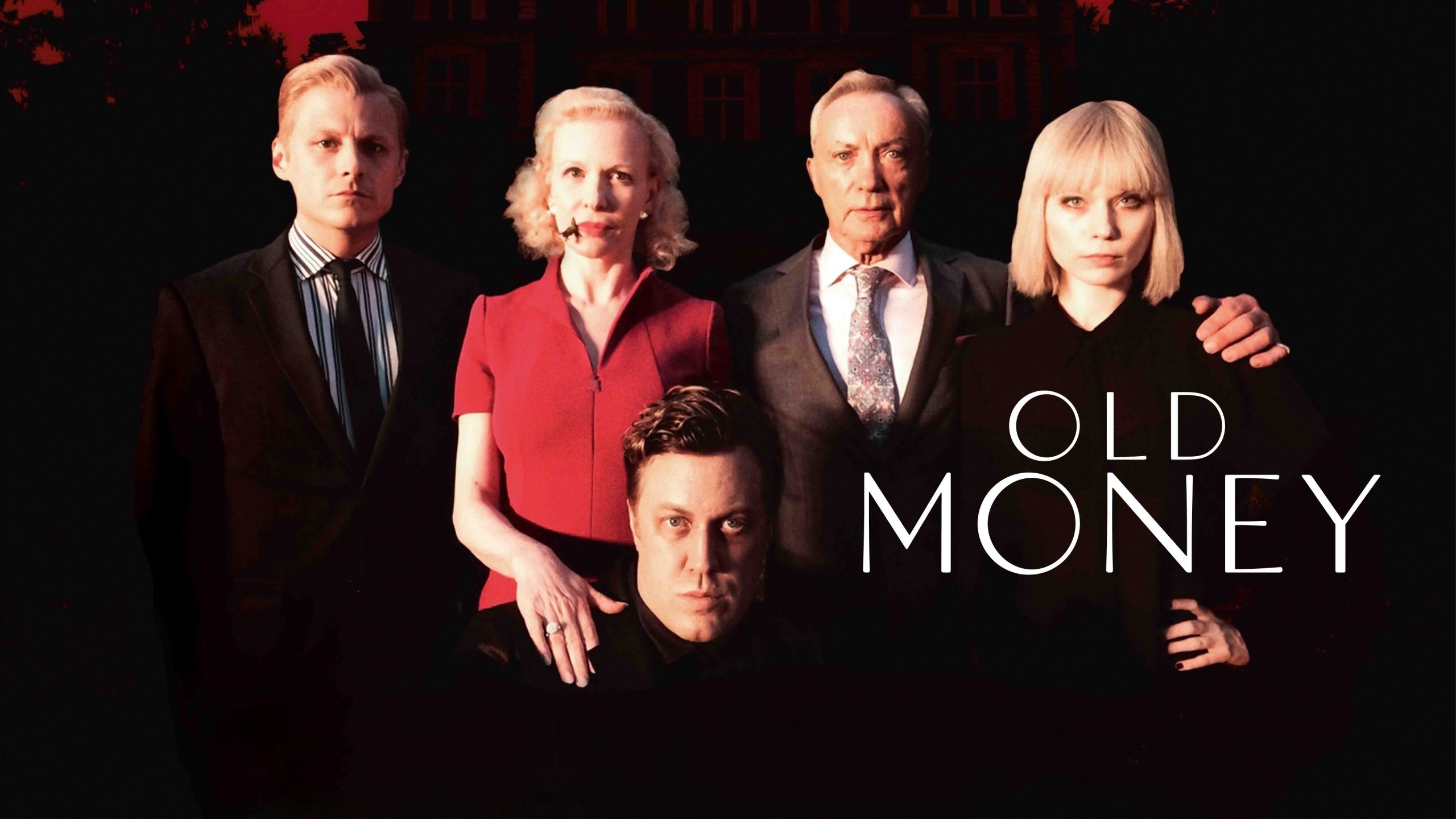
In its first season, Old Money established itself as more than a glossy drama about wealth. Beneath the tailored suits, marble mansions, and champagne-filled evenings was a sharp exploration of class, legacy, and emotional imprisonment. Season 2 (2026) deepens that vision, turning the series into a darker, more psychologically driven story about what happens when inherited power starts to collapse from within.
Season 2 does not rush to comfort the audience. Instead, it opens with a sense of emotional aftermath. The choices made in Season 1 have consequences, and no character escapes them unscathed.
A World That Looks Perfect — But Isn’t
The world of Old Money remains visually stunning. Istanbul is still filmed as a city of contrasts: historic palaces standing beside glass towers, quiet seaside villas hiding lives full of manipulation and regret. But Season 2 subtly changes the tone.
The camera lingers longer. Silences are heavier. Conversations feel sharper, more dangerous. This is no longer a story about entering high society — it’s about surviving it once the illusion fades.
The families who once seemed untouchable now appear fragile. Their wealth protects them from the law, but not from emotional decay, generational resentment, or betrayal.

Nihal: Freedom Comes at a Price
At the heart of Season 2 is Nihal, whose decision to leave Istanbul at the end of Season 1 sets the emotional foundation for everything that follows.
Her departure was not an escape — it was a fracture.
In Season 2, Nihal is no longer reacting to her family’s expectations; she is actively questioning who she becomes without them. The series portrays her journey with restraint and realism. Independence is not romanticized. Loneliness, doubt, and guilt follow her closely.
Yet Nihal’s greatest struggle is internal:
Can she build a life free from inherited privilege without losing herself entirely?
Her story becomes a powerful meditation on identity — especially for those raised to believe their worth is defined by lineage.
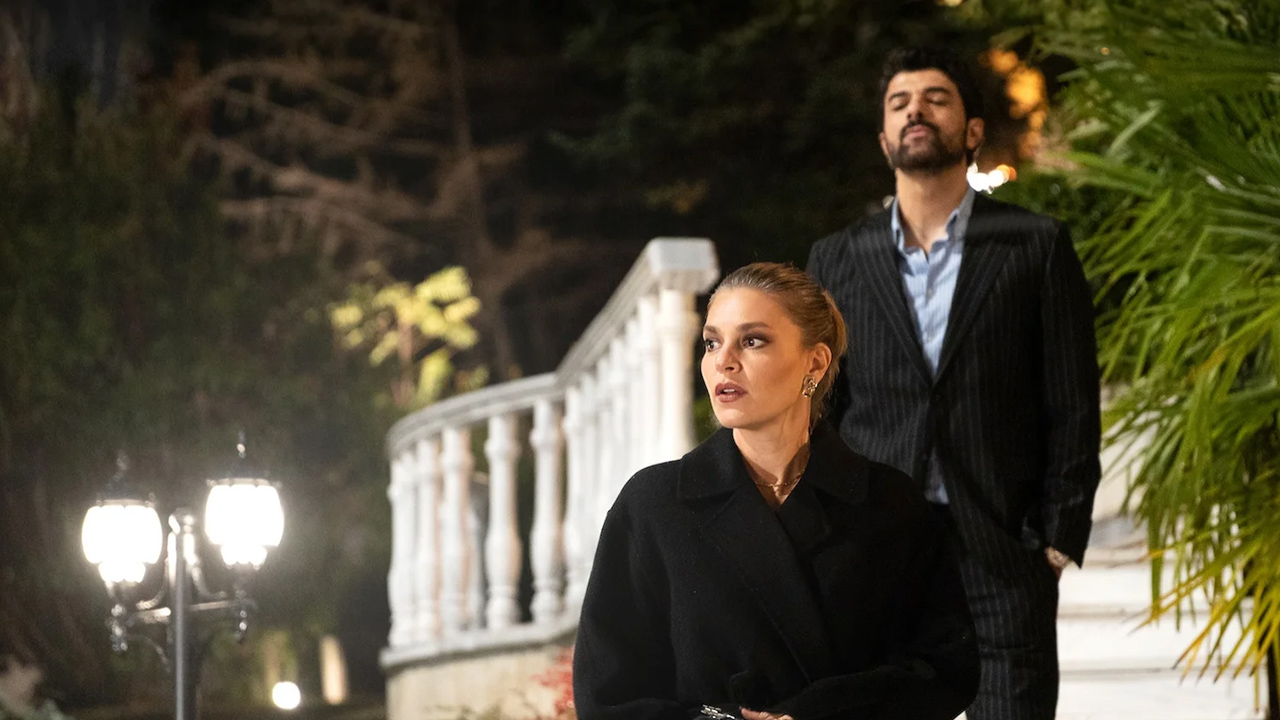
Osman: The Cost of Self-Made Power
If Nihal represents escape, Osman represents endurance.
Season 2 explores what happens when a self-made man realizes that success does not grant emotional immunity. Osman’s wealth, once a symbol of independence, now feels like a fortress that isolates him from genuine connection.
The absence of Nihal haunts him, not as romantic longing alone, but as a reminder of everything money cannot repair.
Osman’s arc this season is quieter, but far more dangerous. He makes calculated decisions that blur moral boundaries, driven by a belief that control equals security. The show smartly avoids turning him into a villain; instead, it presents a man slowly reshaping himself to survive a world that rewards emotional suppression.

Old Money vs. New Money — No Longer a Debate
In Season 1, the tension between old money and new money felt ideological. In Season 2, it becomes open conflict.
Family alliances shift. Business partnerships turn predatory. Traditions once defended as “values” are exposed as tools of exclusion and control.
What makes Season 2 compelling is that it refuses to choose a moral winner. Old money offers stability but suffocates individuality. New money offers freedom but breeds ruthless ambition. Both systems demand sacrifice — and the price is often human connection.

Secrets as Currency
One of Season 2’s strongest elements is its use of secrets as narrative fuel. Information becomes more valuable than money. A single revelation can dismantle reputations built over decades.
The writing treats secrets with patience. Rather than relying on shocking twists, the show allows tension to build naturally, making each reveal feel earned and devastating.
These secrets don’t just affect plot — they reshape relationships. Trust erodes slowly, often invisibly, until characters realize they are surrounded by people who know too much.
A More Mature, Confident Series
Season 2 marks a creative evolution for Old Money. The series becomes less interested in spectacle and more focused on emotional consequence. Dialogue sharpens. Characters speak less, but mean more.
The pacing is deliberate, confident enough to let scenes breathe. This restraint elevates the show, placing it closer to prestige dramas like Succession and The Crown, while retaining its distinct cultural identity.
Why Season 2 Matters
Old Money Season 2 succeeds because it understands that wealth is never just about money. It is about control, expectation, fear, and inheritance — not just of assets, but of emotional wounds.
By shifting its focus inward, the series transforms from a stylish drama into a compelling character study about power and its quiet destruction.
And this is only the beginning.