Genre: Horror • Psychological • Mystery
Director: Christophe Gans
Starring: Jeremy Irvine, Hannah Emily Anderson
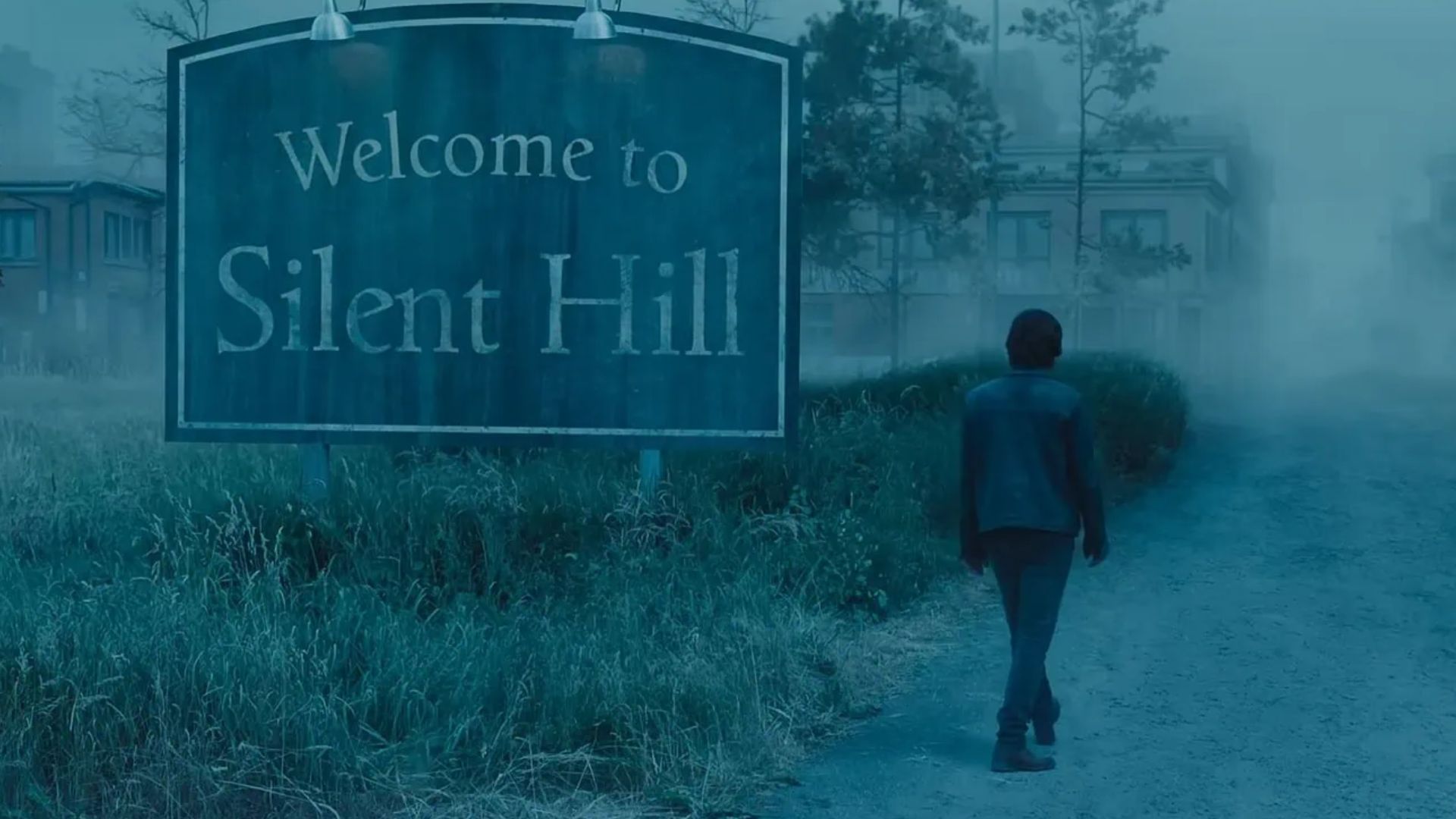
After years of silence, Return to Silent Hill (2026) brings audiences back to one of the most haunting worlds in horror cinema. This is not just a return to a cursed town. Instead, it is a return to guilt, memory, and a love that refuses to die.
Directed by Christophe Gans, the filmmaker behind the 2006 Silent Hill movie, the film reconnects with the emotional roots of the original game series. It focuses less on loud scares and more on psychological fear. As a result, the movie feels slow, heavy, and deeply unsettling—just like Silent Hill itself.
A Man Broken by Love and Loss
At the center of the story is James Sunderland (Jeremy Irvine), a man whose life has quietly fallen apart. Years earlier, James lost the woman he loved most, Mary. Her death left a hole that never healed. Even though time has passed, James remains trapped in grief, unable to move forward.
One day, everything changes.
James receives a letter.
The letter is short. The handwriting is familiar. And the message is impossible: Mary is waiting for him in Silent Hill.
At first, James believes it must be a cruel joke or a mistake. However, the letter speaks in a voice only Mary could have. Slowly, doubt turns into obsession. Soon after, James finds himself driving back toward the fog-covered town he once swore he would never return to.
This decision becomes the first step into a nightmare shaped by memory and regret.
Silent Hill as a Living Mind
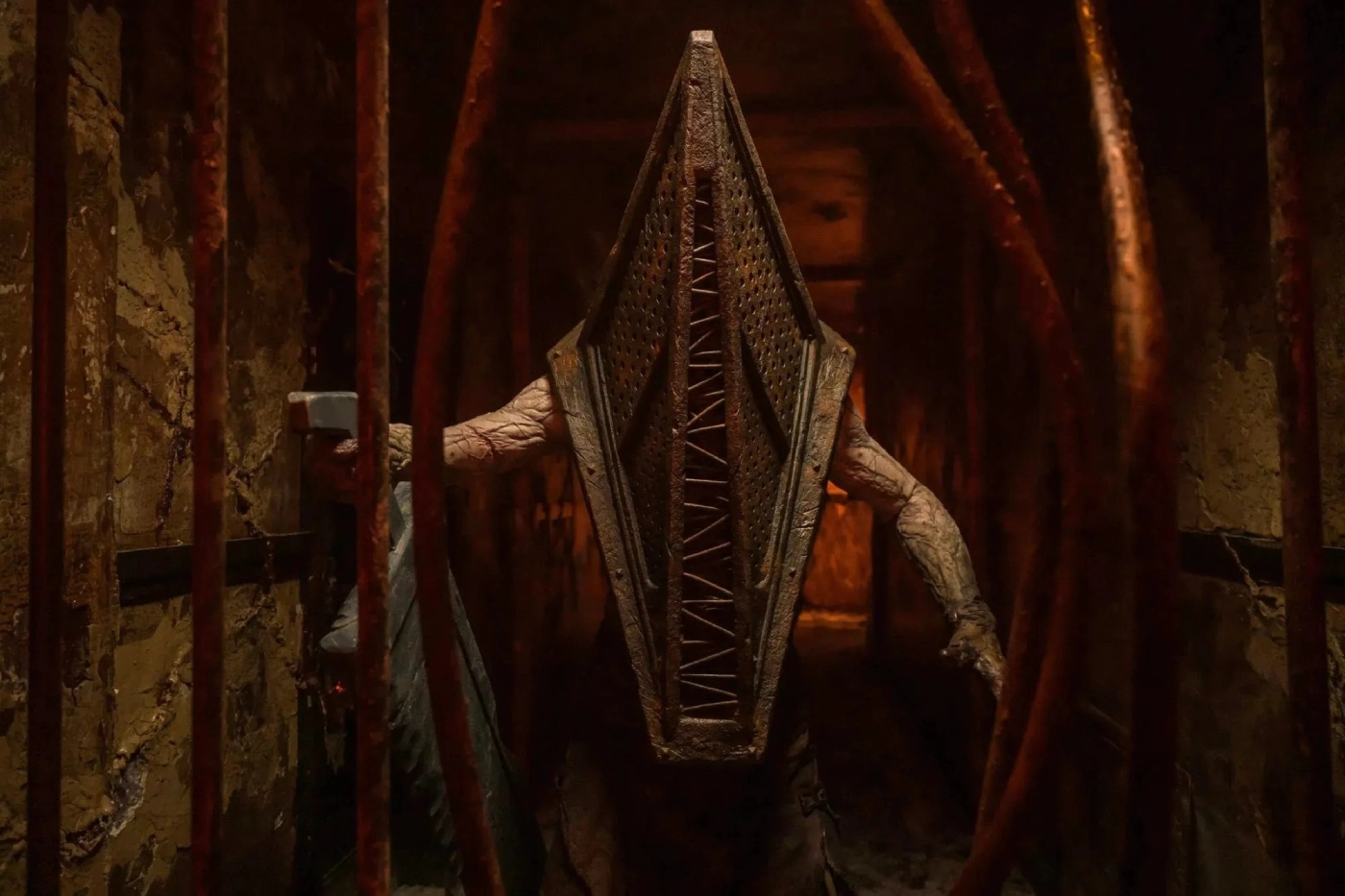
In Return to Silent Hill, the town is more than a location. It behaves like a living mind. Streets change without warning. Buildings decay in seconds. Sirens tear through the air like warnings from another world.
Silent Hill reacts to James.
The deeper he walks into the town, the more personal the horrors become. Monsters do not simply attack him. Instead, they seem to judge him. Each creature reflects pieces of his guilt, fear, and emotional pain.
Because of this, the film never rushes. Scenes linger. Silence stretches. Footsteps echo in empty corridors. Every moment builds tension slowly, making the audience feel trapped inside James’s thoughts.
This approach separates Return to Silent Hill from many modern horror films. It does not rely on constant jump scares. Instead, it creates fear through atmosphere and emotional weight.
Familiar Faces and New Interpretations
Along his journey, James encounters Maria (Hannah Emily Anderson), a woman who looks almost exactly like Mary. However, her personality is different. She is warmer, more playful, and strangely alive in ways Mary never was near the end of her life.
Maria confuses James.
At times, she offers comfort. At other times, she leads him deeper into danger. Her presence raises painful questions. Is she real? Is she a creation of Silent Hill? Or is she a reflection of James’s desire to rewrite the past?
As the story continues, Maria becomes one of the film’s most disturbing elements. She represents temptation, denial, and the lie that grief can be escaped without consequences.
Monsters That Speak Without Words
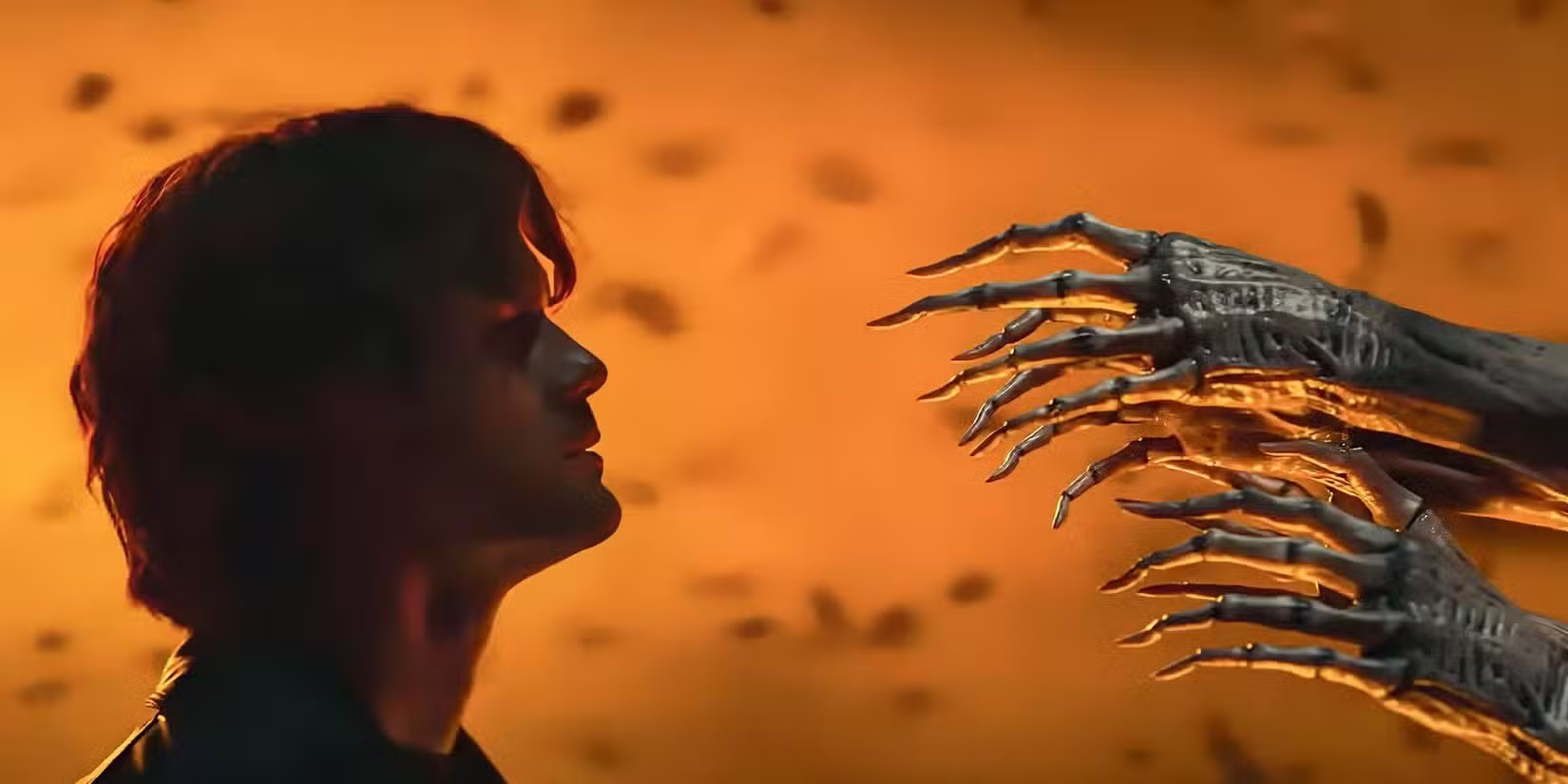
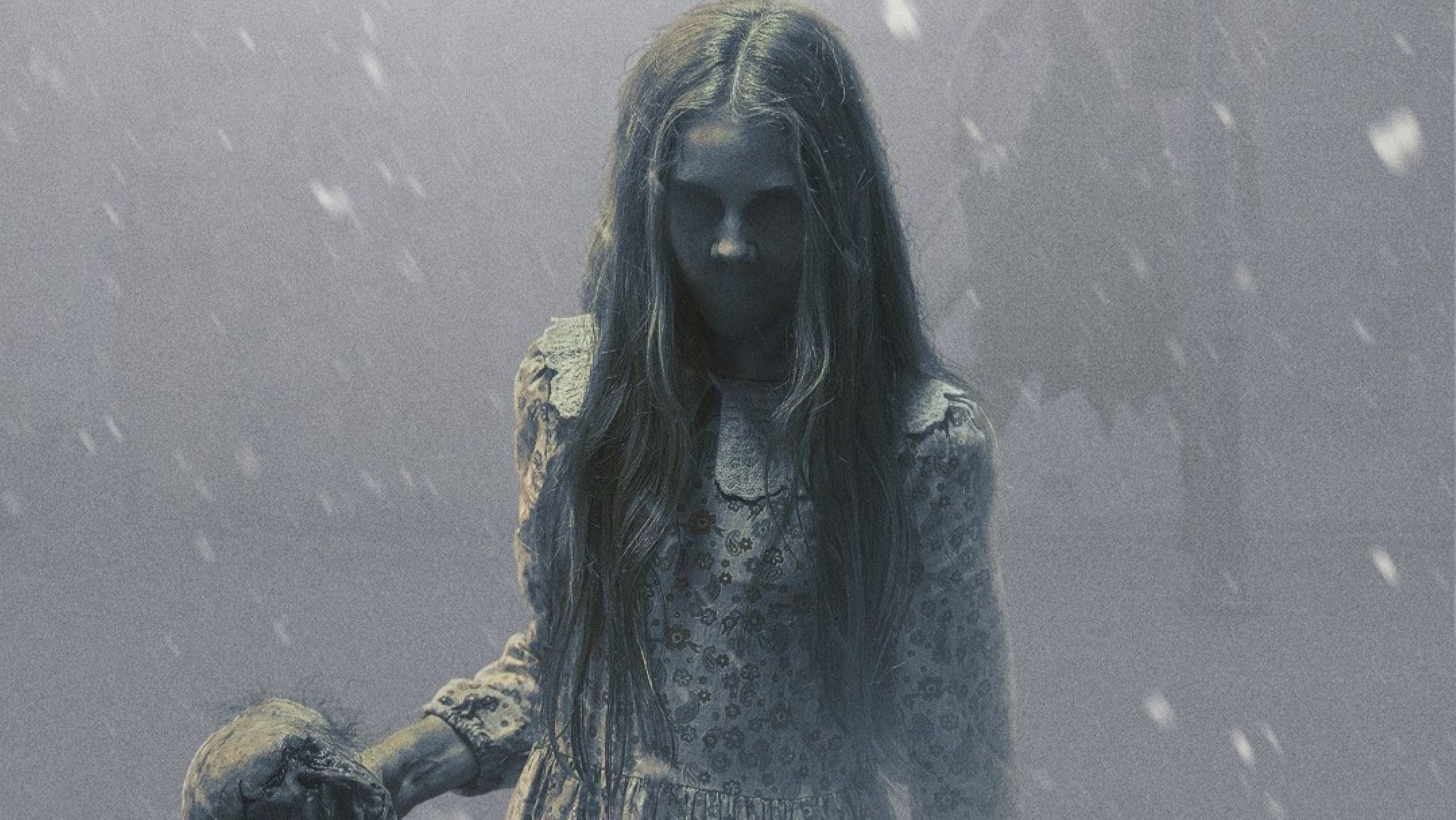
The creatures of Return to Silent Hill are terrifying, but they are never random. Each design carries meaning. Rusted metal, torn flesh, and unnatural movement all suggest punishment rather than chaos.
One of the most iconic figures returns in a new form: Pyramid Head.
He does not chase James endlessly. Instead, he appears at key moments, watching from a distance. His presence alone creates fear. Every time he appears, James is forced to confront another truth about himself.
The monsters do not scream explanations. They exist as symbols. This choice respects the psychological nature of the Silent Hill franchise and rewards viewers who pay close attention.
Visuals Painted in Fog and Rust
Visually, the film is striking.
The fog is thick and endless, swallowing streets and hiding threats just beyond sight. Meanwhile, the “otherworld” scenes transform familiar spaces into rusted hellscapes filled with fire, chains, and decay.
Lighting plays a crucial role. Darkness dominates the screen, broken only by flickering lights or the glow of James’s flashlight. These visual choices make the audience feel lost, just like the main character.
The camera often stays close to James, forcing viewers to experience the horror from his perspective. As a result, the fear feels personal rather than distant.
Sound Design That Crawls Under Your Skin
Sound is one of the film’s strongest weapons.
Sirens signal transformation. Static fills the air before danger appears. Distant footsteps echo through empty halls. Often, silence is used more effectively than music.
The soundtrack avoids dramatic cues. Instead, it uses low tones and industrial sounds that slowly build anxiety. This design makes even quiet moments feel threatening.
Because of this, the film stays tense even when nothing is happening on screen.
A Story About Facing the Truth
At its core, Return to Silent Hill is not about monsters. It is about responsibility.
James is not a hero. He is a broken man who made choices he cannot undo. Silent Hill does not punish him without reason. Instead, it forces him to face the truth he has avoided for years.
As the story moves toward its final act, the film asks difficult questions:
-
Can love survive guilt?
-
Is forgiveness possible without honesty?
-
And can someone escape their past by rewriting it?
The answers are not easy. However, they are powerful.
A Return Made for Fans—and Newcomers
Fans of the Silent Hill games will recognize many elements: locations, creatures, and themes. However, the film also works as a standalone story.
New viewers do not need deep knowledge of the franchise to understand James’s journey. His pain is universal. His fear is human. And his mistakes feel real.
Because of this balance, Return to Silent Hill succeeds as both an adaptation and an independent horror film.
Final Thoughts
Return to Silent Hill (2026) is not a fast or comfortable movie. It moves slowly, asks difficult questions, and refuses easy answers. However, for viewers willing to enter the fog, it offers a deeply emotional and disturbing experience.
This is a horror film about love that lingers too long, guilt that refuses to fade, and a town that knows every secret you try to hide.
Silent Hill is calling again.
And once you answer, it may never let you go.