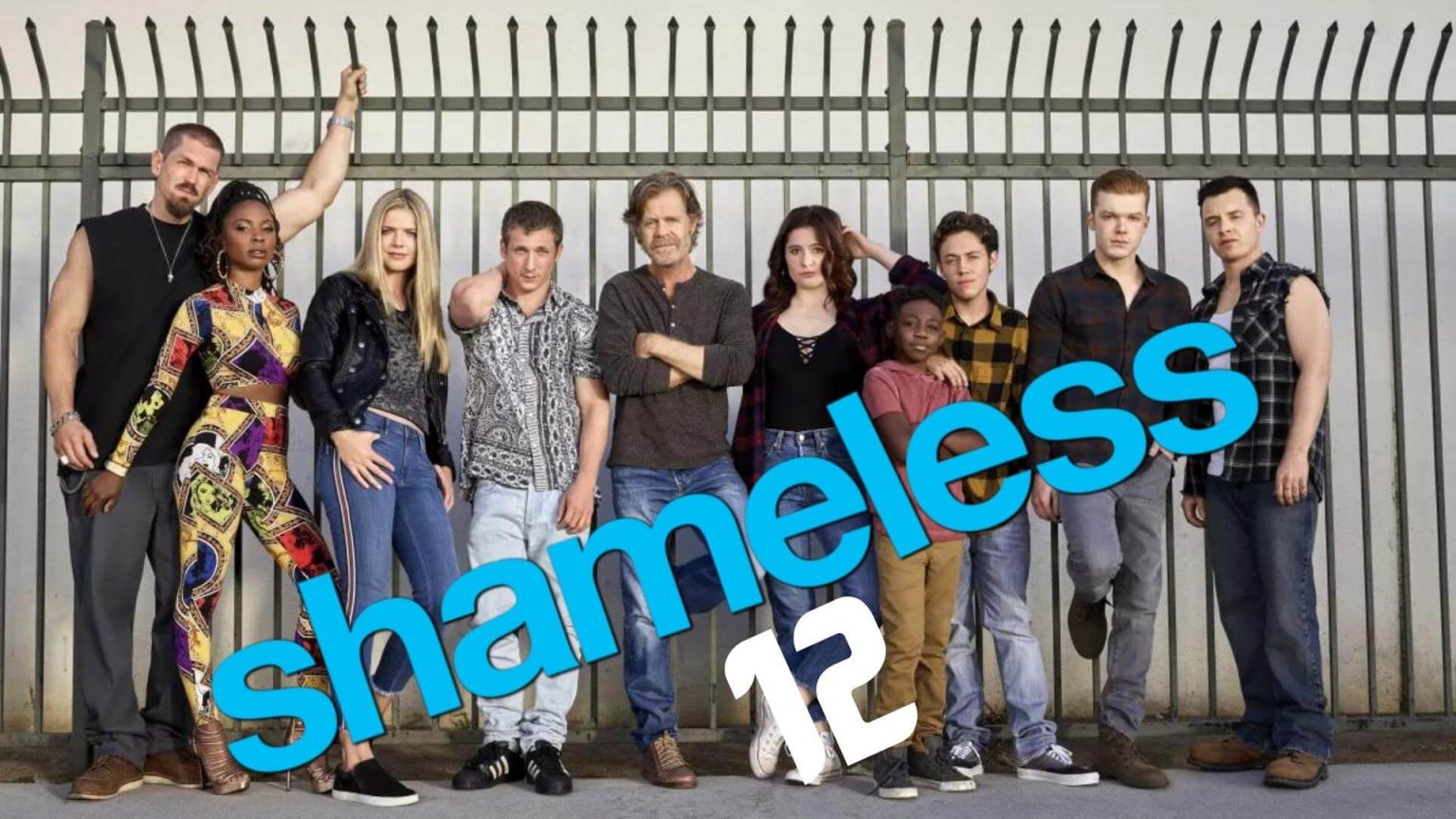
When Survival Is No Longer Enough
Television rarely knows how to end stories about poverty. Most series choose redemption, escape, or reinvention. Shameless, in its imagined Season 12, chooses something far more uncomfortable: continuation. South Side Never Dies does not rescue the Gallaghers from their past. Instead, it forces them to live with it.
Rather than closing the story, Season 12 reframes it. It asks what happens after survival stops being the goal. At this stage, the Gallaghers are alive, but that no longer feels like victory. Survival kept them moving. Now, it leaves them standing still.

Frank Gallagher Is Gone, but the Damage Remains
Season 12 begins with absence. Frank Gallagher is dead, yet his presence fills every scene. The family does not mourn him. They manage him. Bills arrive. Documents surface. Debts emerge.
This choice sets the tone immediately. Frank does not haunt the Gallaghers as a memory. He haunts them as a system of damage. His legacy lives on through paperwork, legal traps, and emotional habits his children still carry.
As a result, the season rejects nostalgia. It does not ask the audience to miss Frank. Instead, it asks a harder question: what does freedom look like when the source of harm disappears, but the harm itself stays active?
The Gallagher House as a Battlefield
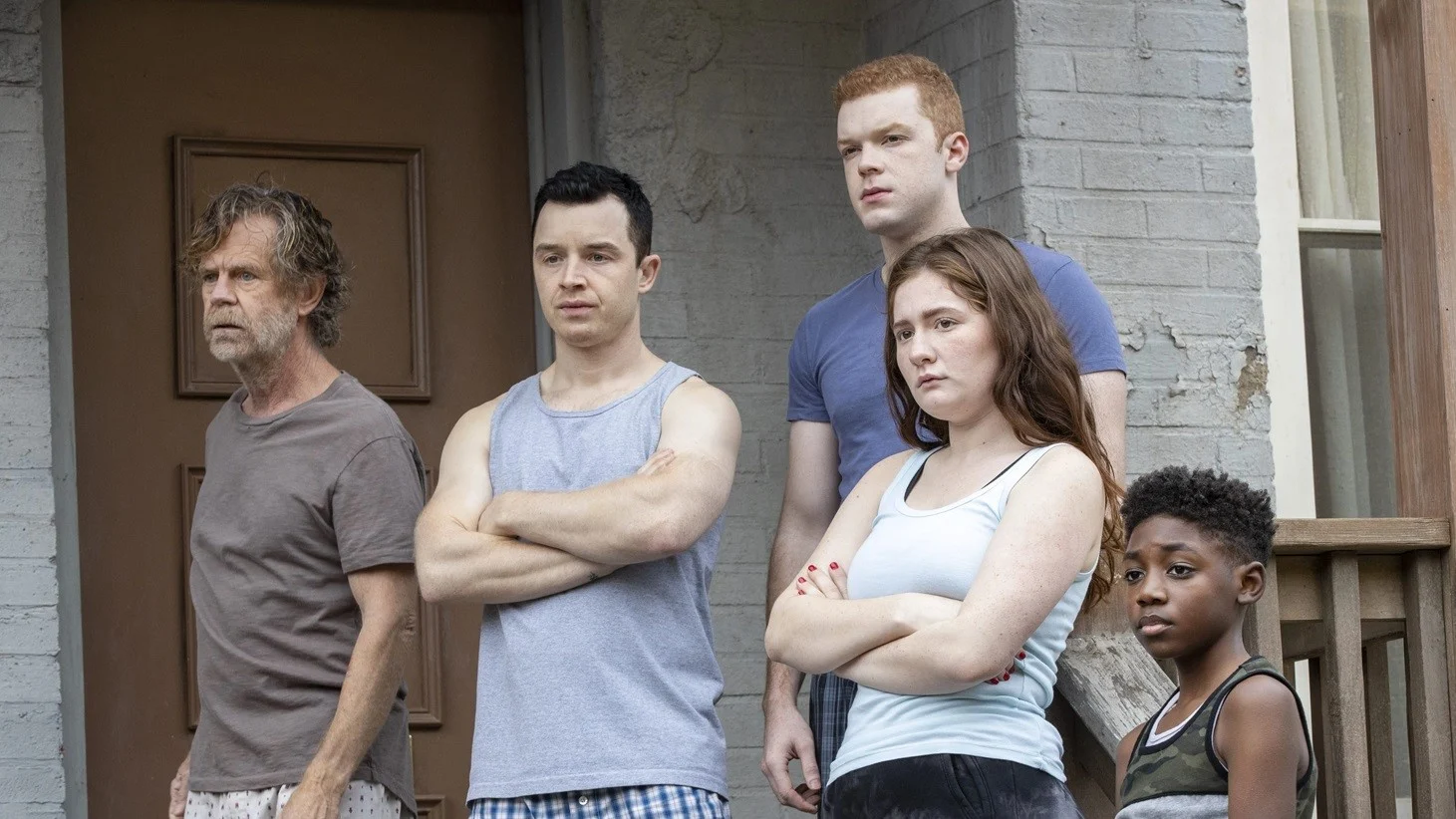
The threat to the Gallagher house becomes the season’s central conflict. Developers label the building unsafe and expendable. To them, it is an obstacle. To the family, it is proof of existence.
However, the house represents more than shelter. It holds memory, failure, and survival in equal measure. When the threat of demolition appears, the fight is not just about property. It is about erasure.
By framing gentrification as the main antagonist, Season 12 shifts focus from personal chaos to structural violence. Addiction once drove the story. Now, paperwork does.
Lip Gallagher and the Cost of Knowing Better
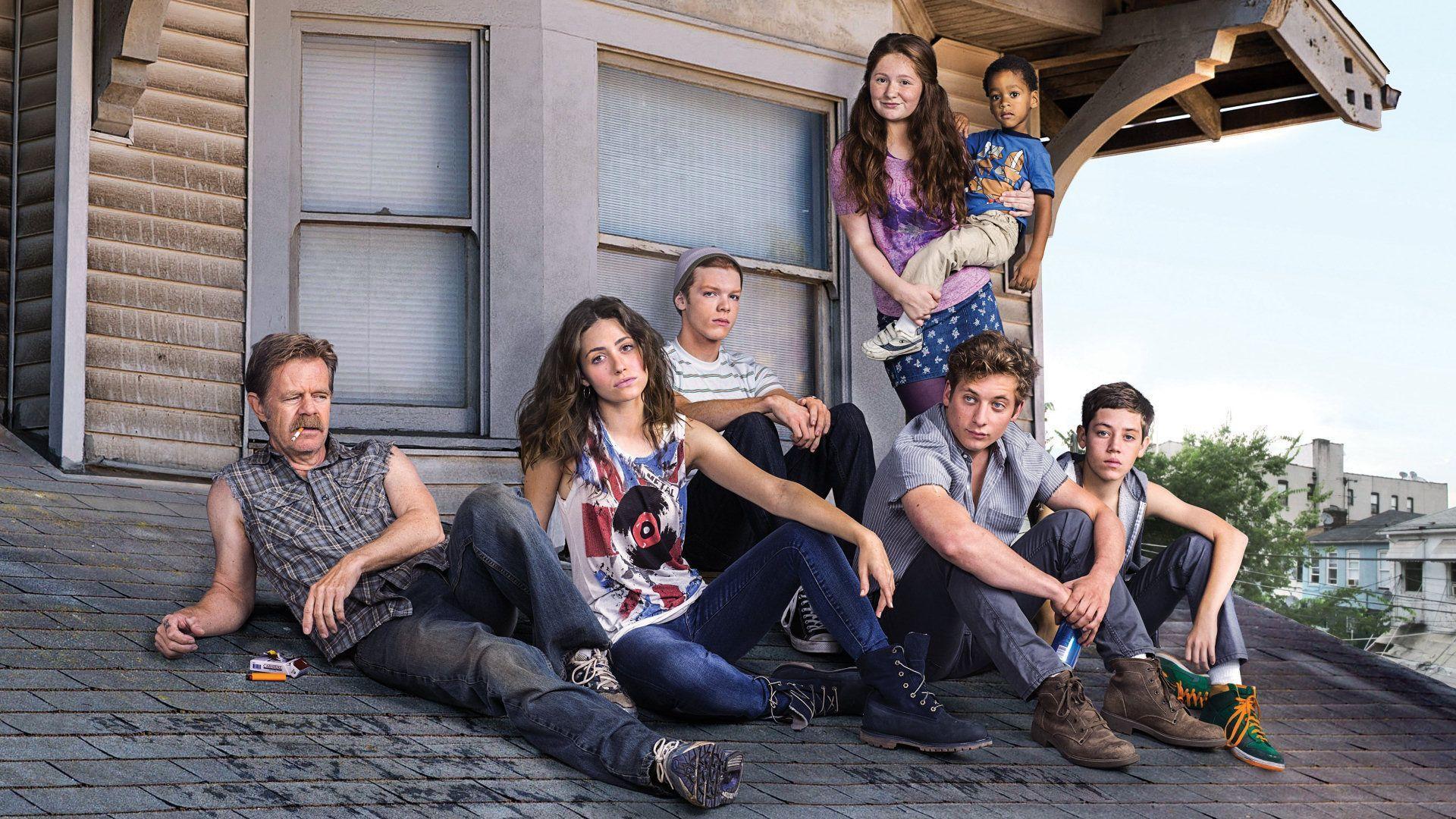
Lip’s arc defines the emotional weight of the season. He understands the system well enough to see the outcome. At the same time, he lacks the power to change it.
When an opportunity offers him a way out, Lip hesitates. He does not fear failure. Instead, he fears success that requires abandonment. Therefore, the season avoids a traditional redemption arc. Lip does not choose between good and bad. He chooses between loss and loss.
Ultimately, Season 12 presents wasted potential not as tragedy, but as reality. Intelligence does not guarantee escape. Awareness does not equal freedom.
Debbie Gallagher and Inherited Survival
Meanwhile, Debbie thrives. She adapts faster than anyone else. She controls money, manipulates systems, and positions herself as essential.
Yet this efficiency comes at a cost. Debbie mirrors Frank not in behavior, but in worldview. She believes control equals safety. The system rewards her for it.
Importantly, the season does not judge Debbie. Instead, it explains her. She becomes proof that capitalism often favors those willing to harden first. However, her relationship with Franny exposes the danger of this adaptation. Awareness arrives, but change does not follow easily.
Love Without Illusions: Ian and Mickey
Ian and Mickey’s marriage rejects television fantasy. Love does not fix them. It exposes them.
Ian carries emotional labor until exhaustion. Mickey struggles with stability after a lifetime of chaos. As a result, their conflict feels quiet, slow, and deeply real.
Rather than offering resolution, Season 12 treats their relationship as ongoing work. Love survives, not because it heals trauma, but because both partners accept its weight.
Fiona Gallagher and the Right to Leave
Fiona’s return arrives without spectacle. She does not come to save anyone. She comes to confront what she left behind.
Most importantly, Fiona refuses to intervene. She does not save the house. She does not fix the family. This refusal marks the season’s most radical moment.
By allowing Fiona to choose herself, the series challenges a familiar television trope. Caretakers do not owe endless sacrifice. Survival can include distance.
An Ending Without Victory
The Gallagher house falls. The family disperses. No one wins.
However, the final image avoids despair. Children play where the house once stood. Life continues without ceremony.
Season 12 ends without redemption. It offers recognition instead. The Gallaghers survive, not because they change, but because they endure.
In the end, Shameless stays honest. It refuses comfort. It refuses closure. And because of that, it feels real.