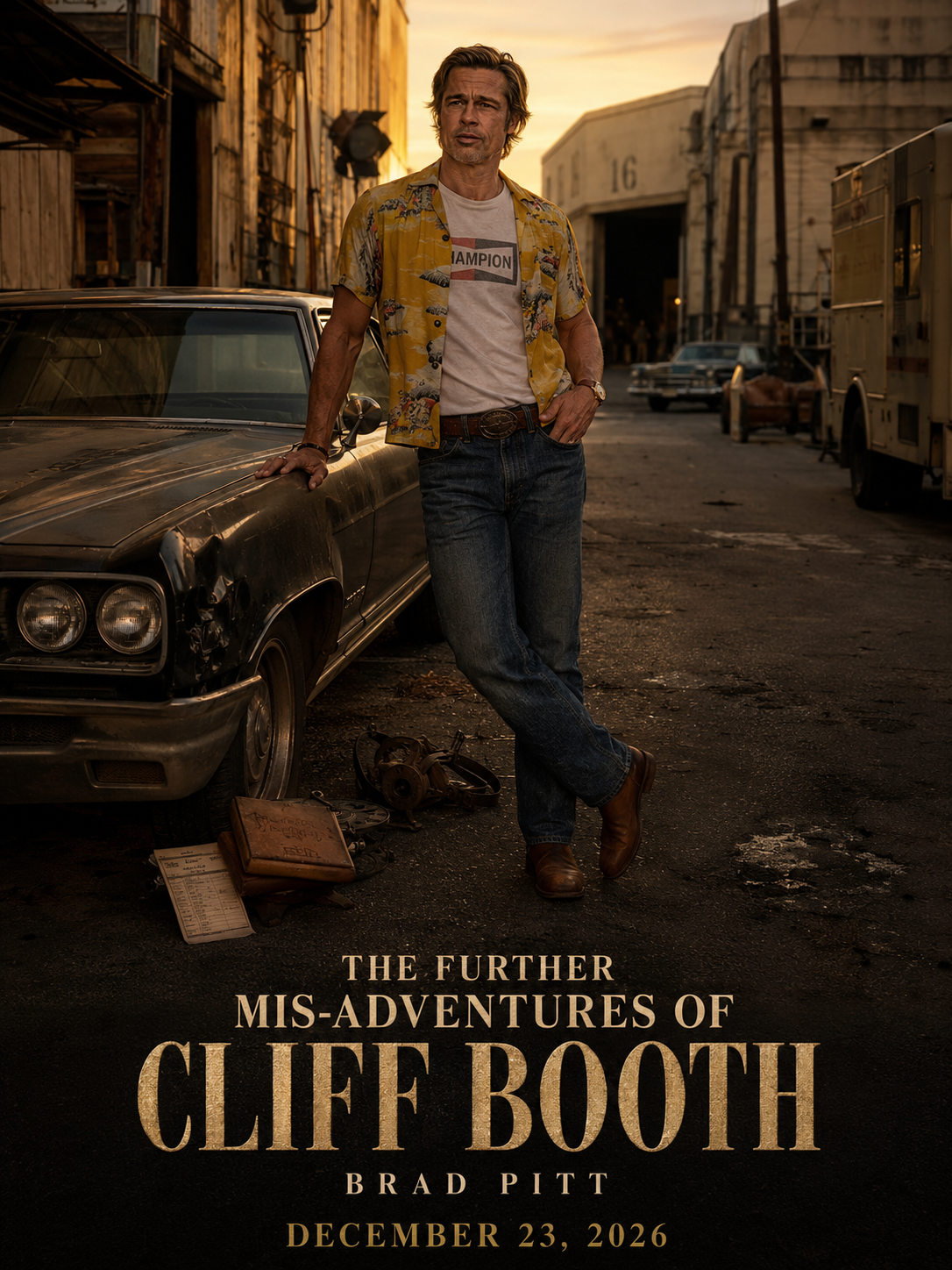
Few characters from modern American cinema have managed to become instantly iconic without explaining themselves. Cliff Booth is one of them. Introduced in Quentin Tarantino’s Once Upon a Time in Hollywood, the quiet stuntman played by Brad Pitt became one of the film’s defining figures: physically fearless, emotionally unreadable, unexpectedly funny, and surrounded by a history that always seemed more dangerous than the story was willing to reveal.
Now, seven years after the original film changed the conversation around Hollywood nostalgia, Brad Pitt is returning as Cliff Booth in The Further Mis-Adventures of Cliff Booth. Written by Quentin Tarantino and directed by David Fincher, the film moves the character into 1977, eight years after the events of Once Upon a Time in Hollywood, and into a Hollywood that is darker, rougher, and fundamentally different from the world Cliff once knew. Netflix has confirmed an exclusive two-week IMAX engagement beginning November 25, 2026, followed by its worldwide Netflix debut on December 23.
The premise alone makes The Further Mis-Adventures of Cliff Booth one of the most intriguing cinematic events of 2026. It is not simply another sequel built around nostalgia. It is an experiment: what happens when Tarantino creates another chapter for one of his most recognizable characters, but gives the material to David Fincher, a filmmaker whose visual language and psychological instincts are almost the opposite of Tarantino’s?
That tension may ultimately become the movie’s greatest strength.
A New Hollywood, and a New Cliff Booth
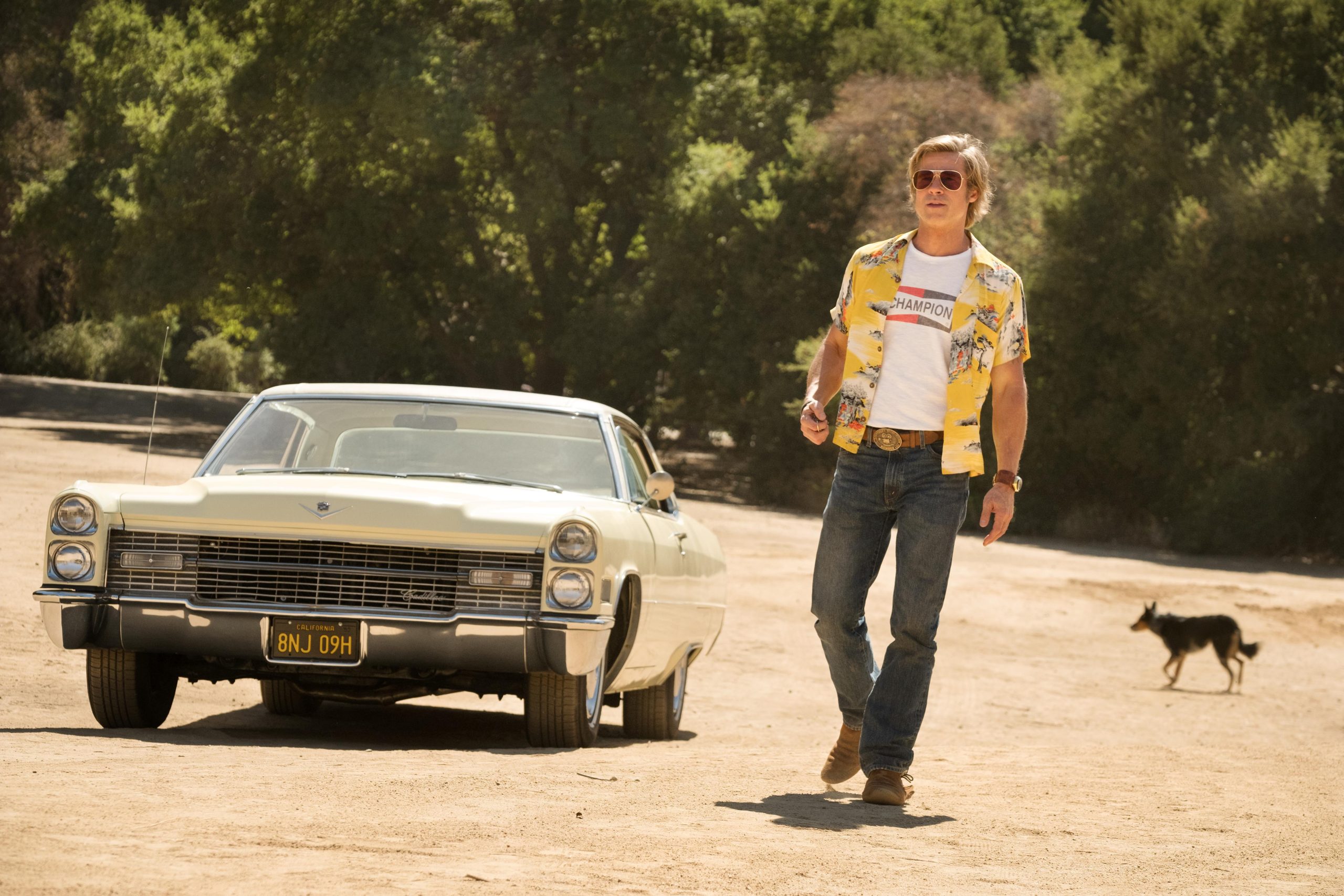
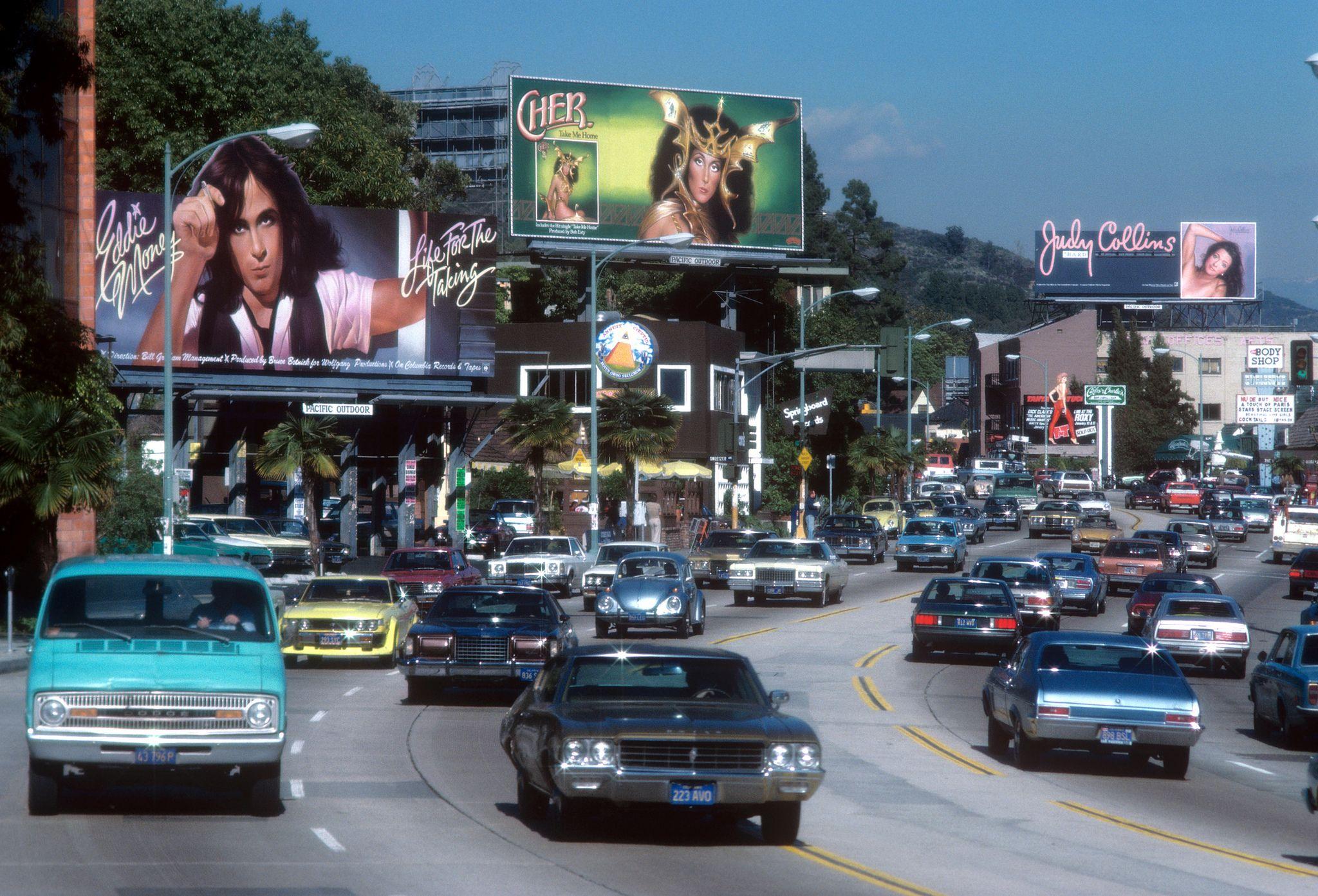
The biggest change is the setting. Once Upon a Time in Hollywood unfolded in 1969, during a period when the old Hollywood dream was beginning to collapse. The Further Mis-Adventures of Cliff Booth jumps forward to 1977, when the entertainment industry has become a much different machine. Netflix’s official premise emphasizes that this is a “very different Hollywood,” while reporting describes Cliff as a retired stuntman who has become a Hollywood studio fixer, dealing with scandals, secrets, and problems that powerful people would rather keep away from the public.
That transformation is fascinating because Cliff was already a fixer before anyone gave him the title.
In the original film, Rick Dalton could depend on Cliff to drive him, protect him, fight for him, perform dangerous work, and quietly clean up situations that threatened to spiral out of control. Cliff rarely needed recognition. He simply appeared when something needed to be handled.
By 1977, that instinct has become a profession.
This creates an entirely new dramatic possibility. Instead of following Cliff as the man standing behind a fading actor, the new film can place him behind the curtain of Hollywood itself.
He knows where the bodies are buried.
He knows which stars are lying.
He knows which producers are afraid.
He knows which scandals can destroy careers.
And, most importantly, he knows how to make problems disappear.
That is an extraordinarily dangerous position for a character like Cliff Booth.
The Mystery Behind the Legend
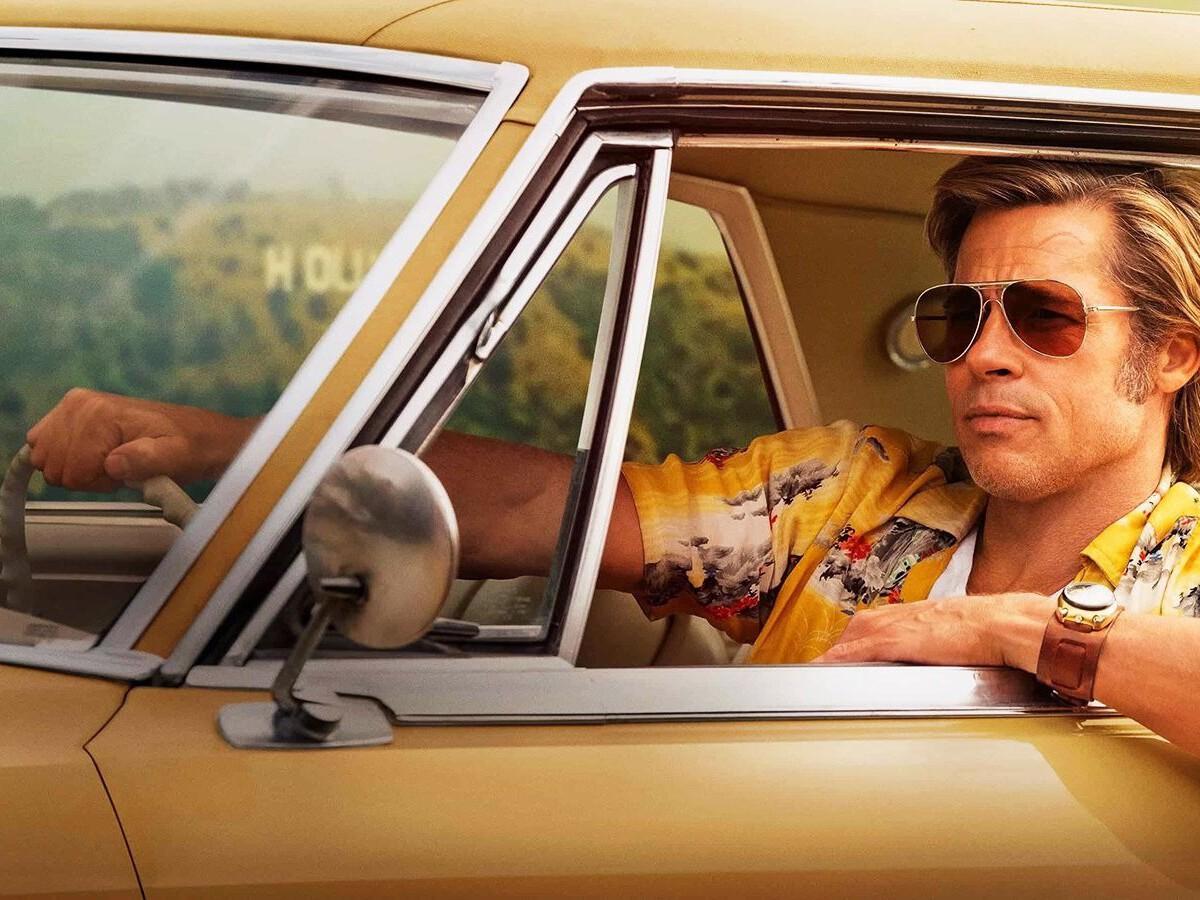
One of the most compelling elements of the story may be the mythology surrounding Cliff himself.
At the end of Once Upon a Time in Hollywood, Cliff survives a brutal confrontation with members of the Manson Family after they invade Rick Dalton’s home. The event transforms him from an obscure stuntman into something closer to a Hollywood legend. In 1977, people know the story, but the truth has become blurred by rumor, exaggeration, and the entertainment industry’s appetite for mythology.
Cliff does not seem interested in correcting the record.
That is important.
The original Cliff Booth was defined by what he refused to explain. His past, his relationship with his wife, his military history, and the infamous rumors surrounding his life all contributed to the character’s mystery.
The new movie has an opportunity to push that mystery further.
Instead of finally explaining everything, Fincher could make the uncertainty itself part of the suspense. The audience may discover that the legend of Cliff Booth is simultaneously larger and smaller than the truth.
Perhaps the most frightening thing about Cliff is not what he has done.
It is how calmly he can continue living after doing it.
Where David Fincher Changes Everything
The most significant creative development is David Fincher.
Tarantino wrote the screenplay, but Fincher directs. The combination is almost too perfect to ignore. Pitt and Fincher have already worked together on Se7en, Fight Club, and The Curious Case of Benjamin Button, giving the director an unusually deep understanding of Pitt’s screen presence.
But this collaboration is about more than familiarity.
Tarantino uses dialogue, genre, music, violence, humor, and pop culture to turn history into cinematic mythology. Fincher approaches characters differently. His films frequently explore obsession, paranoia, institutional corruption, psychological instability, and the darkness hidden beneath apparently controlled environments.
Cliff Booth fits comfortably inside both worlds.
He can be funny in one scene and terrifying in the next. He can spend minutes saying almost nothing and still dominate the frame. He is simultaneously an action hero, a mystery, a relic of old Hollywood, and a man who seems perfectly comfortable with violence.
Under Tarantino, Cliff became a folk hero.
Under Fincher, he could become something much more unsettling.
He could become a noir protagonist.
The Darker Side of Hollywood
The new film appears positioned to explore the machinery behind Hollywood rather than simply celebrate the movies it produced.
That could mean studio politics, celebrity scandals, exploitation, underground entertainment, criminal connections, damaged performers, corrupt executives, and people whose careers depend on keeping secrets buried.
The cast reinforces that possibility.
Elizabeth Debicki, Scott Caan, Carla Gugino, Yahya Abdul-Mateen II, Peter Weller, Matt Groove, JB Tadena, Corey Fogelmanis, and Karren Karagulian join Pitt, while Timothy Olyphant returns as James Stacy, reconnecting the new story with the world of the original film.
Debicki may be particularly important. Her character, Roberta, is connected to the rougher entertainment world of 1970s Los Angeles, giving Cliff access to a side of Hollywood that is far removed from polished studio offices.
This is where the film could become genuinely dangerous.
The real villain may not be a single person.
It may be Hollywood itself.
The Biggest Risk: Living in Tarantino’s Shadow
For all its potential, The Further Mis-Adventures of Cliff Booth faces a major creative problem.
It has to exist without becoming a copy of Once Upon a Time in Hollywood.
The original film worked because Tarantino created an alternate version of 1969 Los Angeles where history could be rewritten through cinema. It was nostalgic, funny, violent, melancholic, and deeply personal.
The new movie cannot simply repeat that formula.
There is no point in giving Cliff another group of eccentric criminals, another Hollywood star in crisis, and another finale designed around explosive violence. Audiences already know what Cliff can do.
The sequel has to show us something we have never seen from him.
That means the movie must make the character older, more complicated, and potentially more vulnerable.
Cliff in 1977 should not be exactly the same man he was in 1969.
If he is, the entire time jump becomes cosmetic.
Could Leonardo DiCaprio Return?
One of the biggest questions surrounding the film has been the possible return of Leonardo DiCaprio as Rick Dalton.
At present, there is no indication that DiCaprio is returning as a major participant. The new film is deliberately structured around Cliff rather than the Cliff-and-Rick relationship that defined the original. Current reporting identifies Pitt as the central star and lists the new ensemble without DiCaprio.
That may actually be the right creative decision.
Rick Dalton’s absence could become emotionally powerful.
Cliff has spent years being the man behind someone else. Now he has to exist without the person who gave his life structure.
If the movie acknowledges Rick through photographs, memories, conversations, or an unseen presence, it could transform Rick’s absence into an emotional ghost haunting Cliff’s new life.
Potential Surprise Casting: Who Could Still Appear?
This is where speculation becomes particularly exciting.
Because the story is set in Hollywood, there is enormous potential for surprise appearances by performers who fit the period and Fincher’s darker sensibility.
A particularly interesting possibility would be Robert De Niro. His presence would immediately give the film additional crime-thriller weight and could create the feeling that Cliff has wandered into a more dangerous criminal ecosystem.
Michael Shannon would also be an extraordinary match for the material. His intensity could make him a terrifying studio executive, investigator, producer, or underworld intermediary.
Walton Goggins would fit the eccentric, morally ambiguous world of 1970s Los Angeles almost perfectly.
Another intriguing possibility is Oscar Isaac, whose controlled charisma could make him a compelling rival or powerful Hollywood figure capable of matching Cliff intellectually rather than physically.
For a younger generation, Austin Butler would be an especially provocative possibility because of his previous connection to the Once Upon a Time in Hollywood universe. A cameo would instantly generate conversation, although there is currently no confirmation that he will appear.
A completely unexpected cameo from Margot Robbie as Sharon Tate would be far more complicated. Because of the alternate history established by the first film, such an appearance could dramatically alter the emotional architecture of the sequel. However, there is currently no credible confirmation that Robbie is returning, so this should remain strictly in the realm of fan speculation.
The strongest casting choice, however, may be actors who can make Cliff uncomfortable rather than simply physically challenge him.
Can It Become a Major Success?
The commercial potential is enormous.
The original Once Upon a Time in Hollywood grossed approximately $393 million worldwide and received 10 Academy Award nominations, including a Best Supporting Actor win for Pitt.
Now the sequel has several advantages that the original did not have.
It has an established character.
It has Brad Pitt.
It has Quentin Tarantino’s screenplay.
It has David Fincher directing.
It has Netflix’s global distribution machine.
And it has a premium IMAX release before streaming.
That combination gives the film an unusually powerful identity in an increasingly crowded streaming market.
The December 23 Netflix release is also strategically attractive. A Christmas-period debut gives the movie an extended holiday window and potentially enormous word-of-mouth momentum.
But the film’s greatest commercial asset may be something simpler:
people want to see Brad Pitt be Cliff Booth again.
The Awards Question
Could The Further Mis-Adventures of Cliff Booth become an awards contender?
Absolutely.
The ingredients are there.
Fincher has enormous prestige. Tarantino remains one of the most recognizable screenwriters in contemporary cinema. Pitt is an Oscar-winning actor returning to one of his most acclaimed roles. The period setting provides opportunities for production design, cinematography, costumes, editing, sound, and original score.
The fact that the film is receiving an IMAX engagement before its Netflix debut also suggests Netflix is treating it as a major cinematic event rather than merely another streaming release.
The biggest awards question, however, will be whether the movie feels like a serious evolution of the character rather than an expensive victory lap.
If Fincher finds emotional darkness underneath Tarantino’s humor, the result could be something much more substantial than a sequel.
It could become a new chapter in Pitt’s career.
The Hidden Danger Behind the Movie
The greatest danger is not box-office failure.
It is disappointment.
Audiences have spent years imagining what another Cliff Booth story might look like. The character has become so beloved precisely because Tarantino did not explain him completely.
A sequel automatically removes some of that mystery.
There is also a tonal challenge. Tarantino’s screenplay may contain his unmistakable humor, dialogue, violence, and cultural references, while Fincher’s filmmaking instincts push toward bleakness, precision, psychological tension, and darkness.
If those two voices clash, the movie could feel divided.
But if they complement one another, the collision could be extraordinary.
Imagine a film where Tarantino’s dialogue walks into Fincher’s darkness.
Imagine Cliff Booth standing in a silent corridor beneath fluorescent studio lights, knowing that everyone in the building is lying.
Imagine him smiling.
Then imagine the audience realizing that he is the only person in the room who is not afraid.
That is the movie’s greatest promise.
Final Verdict: A Potential Modern Crime Classic
The Further Mis-Adventures of Cliff Booth has all the ingredients of a major cinematic event, but its ultimate success will depend on whether it understands why Cliff Booth became iconic in the first place.
He was never interesting simply because he could fight.
He was interesting because he seemed to have lived an entire life outside the frame.
The new film finally has the opportunity to enter that unseen life.
Set in 1977, surrounded by a changing Hollywood, written by Quentin Tarantino and directed by David Fincher, the movie can transform Cliff from a supporting character into a fully developed cinematic antihero. The confirmed ensemble adds further depth, while Pitt’s return provides the emotional and commercial center of the project.
If the film succeeds, it could become one of the defining adult-oriented Hollywood thrillers of 2026: stylish without being empty, violent without being mindless, nostalgic without becoming sentimental, and funny without destroying its darker atmosphere.
More importantly, it could answer a question that has lingered since 2019:
What happens to a man like Cliff Booth when the Hollywood he once protected disappears?
The answer may be far darker than anyone expects.
And that is exactly why The Further Mis-Adventures of Cliff Booth could become one of the most anticipated films of 2026.