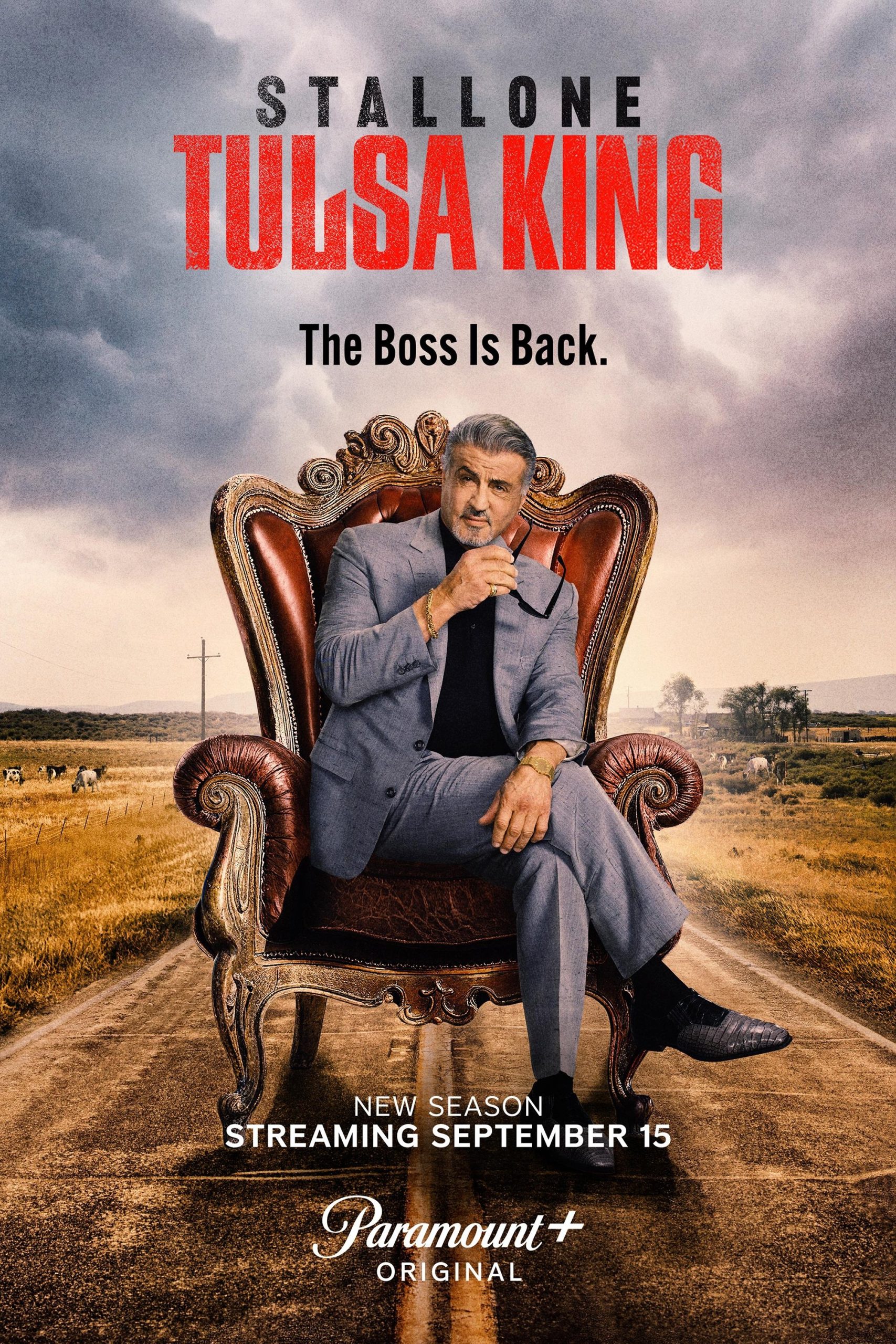
By the time Tulsa King reaches its fourth season, the series has quietly transformed from a fish-out-of-water crime story into a meditation on power and endurance. Season 4 doesn’t ask whether Dwight “The General” Manfredi can survive Tulsa anymore—it asks what survival costs once the crown is firmly in place.
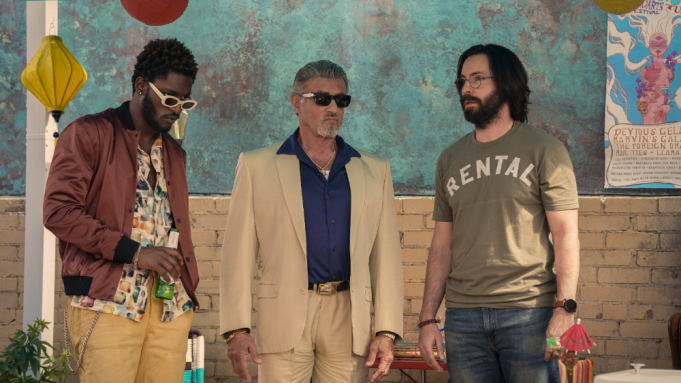
Sylvester Stallone delivers his most controlled performance of the series so far. Dwight no longer needs to prove himself through explosive gestures or constant violence. His authority now lives in pauses, in measured looks, in decisions that feel inevitable rather than impulsive. Stallone’s age becomes an asset here, lending Dwight a gravity that younger crime lords often lack. This is a man who understands that strength is most effective when it’s barely visible.
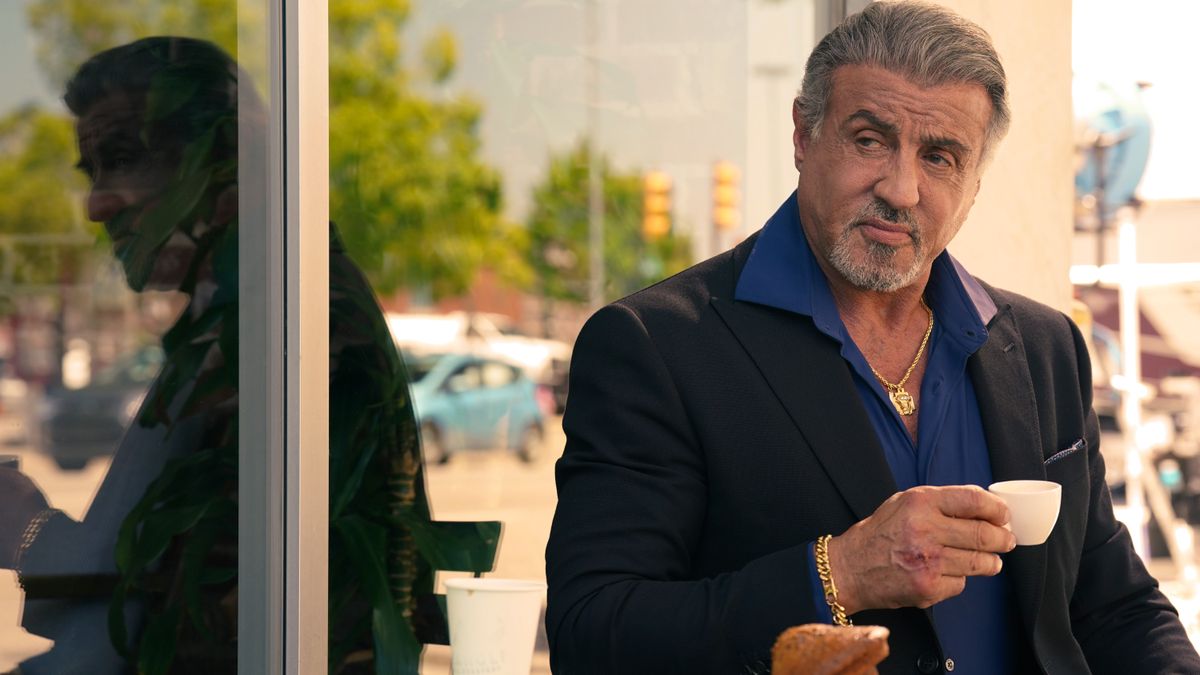
Season 4 shifts the battlefield. While street-level threats still exist, the real tension emerges from political maneuvering, fragile alliances, and the pressure of legitimacy. As Dwight’s operation grows more entrenched, the lines between criminal empire and public power blur. The series smartly explores how influence attracts scrutiny, and how visibility becomes its own kind of danger.

What makes Tulsa King stand out in a crowded crime-TV landscape is its tonal confidence. The dark humor remains, but it’s subtler now—less about punchlines and more about irony. The jokes land not because they’re loud, but because they cut close to the truth. Supporting characters are given more room to breathe, and with that space comes moral ambiguity. Loyalty is tested, ambition grows restless, and not everyone is comfortable living under Dwight’s expanding shadow.
Visually, Season 4 continues the show’s understated Americana aesthetic. Tulsa’s wide streets and unglamorous interiors contrast sharply with the high-stakes decisions being made within them. The show doesn’t romanticize excess; instead, it frames power as something heavy, isolating, and increasingly difficult to maintain. This restraint is one of the season’s greatest strengths.
Narratively, the pacing favors tension over spectacle. Rather than relying on constant shocks, the season builds unease through consequence. Every choice ripples outward, affecting not just Dwight but the ecosystem he’s created. Violence, when it arrives, feels earned—and unsettling.
Tulsa King – Season 4 is less about ascent and more about endurance. It understands that empires don’t fall in grand explosions; they crack slowly, under pressure, from within. By embracing that truth, the series delivers its most mature and confident season yet.
This is crime television that knows exactly what it is—and no longer needs to shout to be heard.