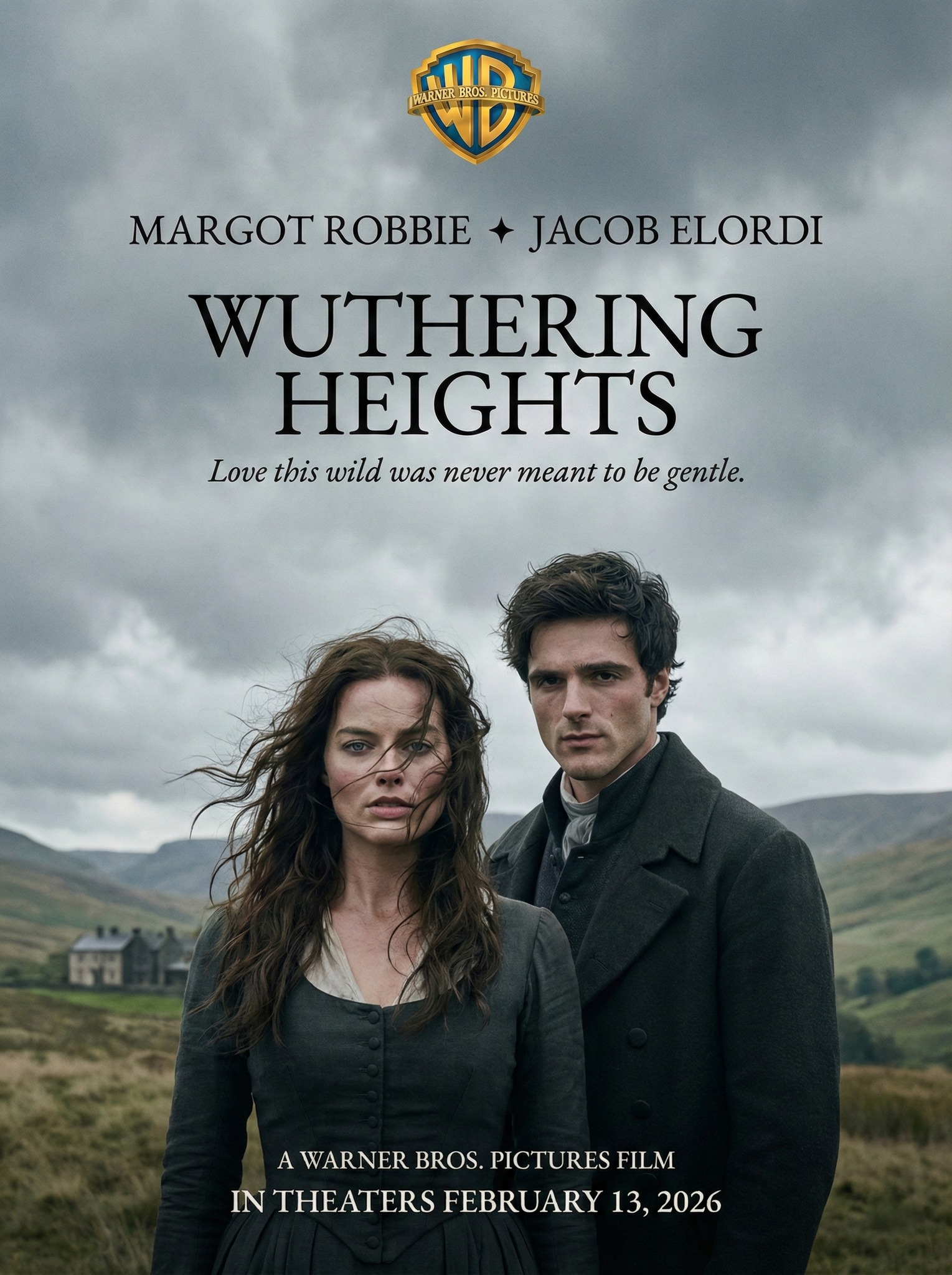
Some love stories are gentle.
Some are tragic.
And some are so wild, so painful, that they refuse to be called romance at all.
Wuthering Heights (2026) belongs to the third kind.
Directed by Emerald Fennell, this new adaptation of Emily Brontë’s classic novel does not try to soften its edges or make its characters easier to love. Instead, it leans fully into obsession, emotional violence, and the deep, destructive bond between two souls who cannot live with—or without—each other.
From its opening scene, the film makes one thing clear: this is not a story about happiness. It is a story about intensity.
A World Shaped by Wind and Isolation
The setting is as important as the characters themselves. The moors are not simply a background; they are alive. The wind howls, the land stretches endlessly, and the houses feel more like cages than homes. Every frame feels cold, open, and exposed.
Emerald Fennell uses the landscape to reflect the emotional state of the characters. When Catherine feels free, the world seems vast. When she feels trapped, the walls close in. This visual language is simple, clear, and powerful. You don’t need dialogue to understand what the characters are feeling—the land speaks for them.
The camera often lingers longer than expected, letting silence do the work. This choice gives the film a slow, heavy rhythm, pulling the audience deeper into the emotional storm.
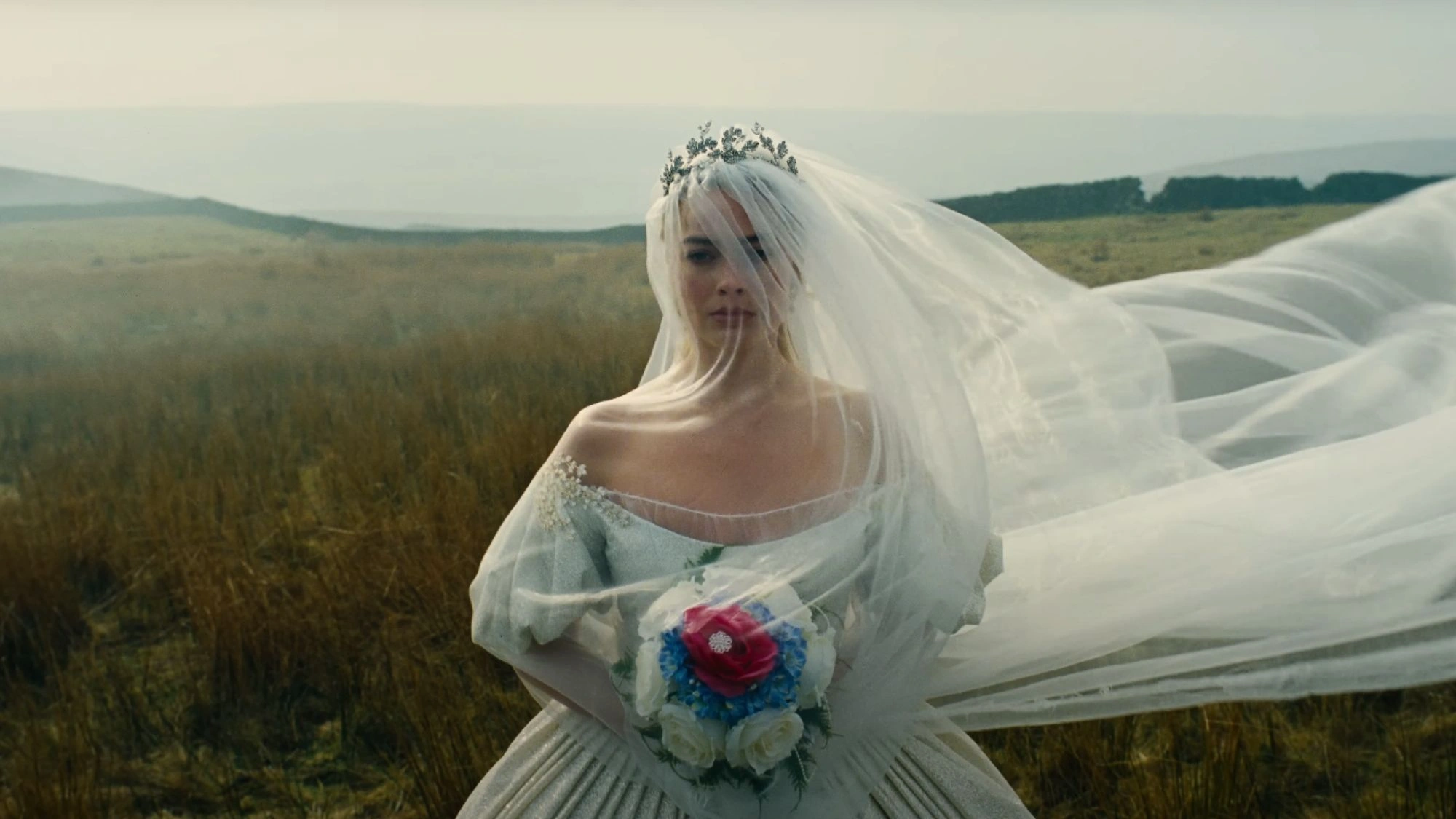
Catherine Earnshaw: A Woman Divided
Margot Robbie’s Catherine Earnshaw is not easy to admire—but she is impossible to ignore.
She is proud, restless, and deeply conflicted. Catherine loves Heathcliff with a passion that feels almost supernatural, yet she also desires comfort, status, and security. These two desires tear her apart from the inside.
Robbie plays Catherine with sharp contrasts. In one moment, she is wild and laughing, running across the moors. In the next, she is calm, controlled, and painfully distant. Her performance shows how Catherine is constantly performing different versions of herself, depending on who is watching.
This Catherine is not a victim. She makes choices. And those choices leave scars—not only on others, but on herself.
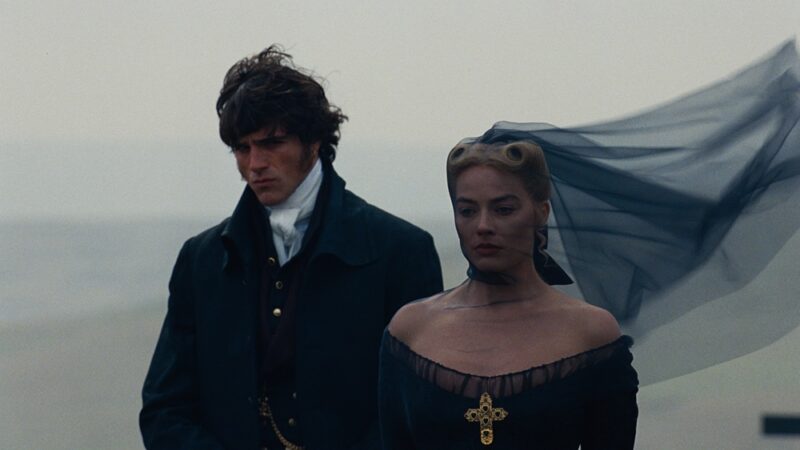
Heathcliff: Love Turned Into Fire
Jacob Elordi’s Heathcliff is raw, quiet, and burning.
This version of Heathcliff speaks less, but feels more. His pain is always visible—in his eyes, in his posture, in the way he stands slightly apart from everyone else. Elordi does not try to make Heathcliff charming or sympathetic. Instead, he presents him as a man shaped by rejection, humiliation, and a love he cannot escape.
The connection between Heathcliff and Catherine feels dangerous from the start. They are not gentle with each other. They provoke, wound, and challenge one another constantly. Their love is not healing—it is consuming.
And yet, it feels real.

A Love That Destroys Everything Around It
What makes Wuthering Heights (2026) so compelling is its honesty. The film does not pretend that all love is good. It shows how love, when mixed with pride and fear, can become something cruel.
The relationship between Catherine and Heathcliff poisons everyone around them. Edgar Linton, Isabella, and even the next generation become trapped in a cycle of emotional damage. The film presents this cycle clearly, without exaggeration or melodrama.
Every decision has consequences. Every silence creates distance. Every word spoken in anger leaves a mark.
A Modern Emotional Language
Although the story is set in the past, the emotions feel modern. The film speaks directly to audiences who understand emotional dependency, toxic attachment, and self-sabotage. Emerald Fennell’s direction avoids romantic clichés and instead focuses on psychological truth.
The music, minimal and haunting, supports the mood without overpowering it. When sound disappears, the silence feels heavy. When music returns, it feels earned.
Final Thoughts
Wuthering Heights (2026) is not a comfortable film. It does not offer easy lessons or warm resolutions. But it is honest, powerful, and deeply cinematic.
This is a story about love that refuses to be simple—and refuses to be forgotten.