A Powerful Return to East Los Angeles
Decades after brotherhood, betrayal, and violence changed their lives forever, Miklo and Paco return to a neighborhood that has never truly released them. In BLOOD IN BLOOD OUT 2 (2026), the streets of East Los Angeles have changed, but the memories beneath their surface remain powerful. Old loyalties still carry weight, new criminal organizations are competing for influence, and a younger generation is approaching the same dangerous crossroads that once divided two men who considered each other family.
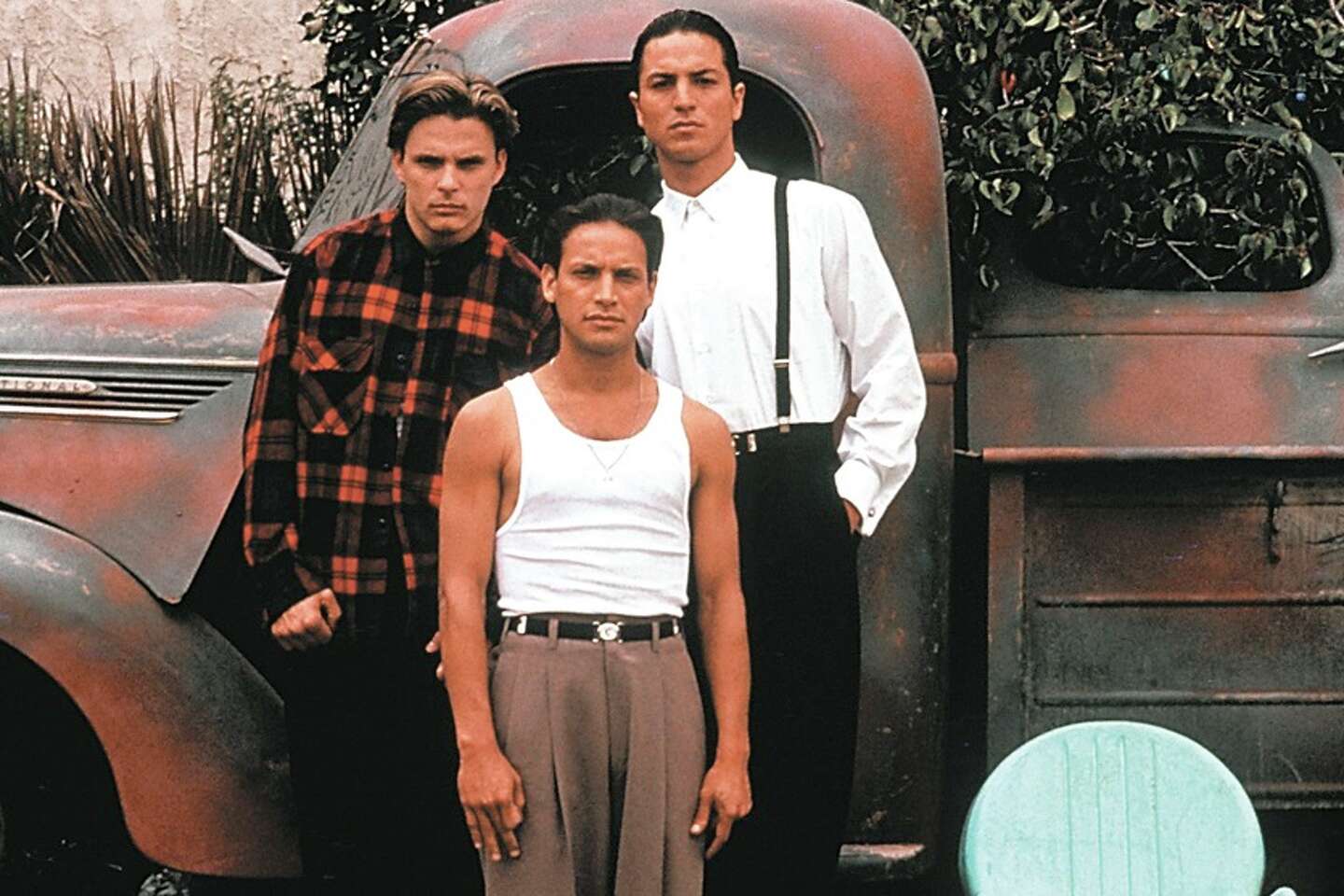
Starring Damian Chapa as Miklo and Benjamin Bratt as Paco, this crime drama continues a story shaped by identity, loyalty, and the lasting consequences of choices made in the name of survival. The sequel moves beyond the immediate struggles of the original saga to examine what happens when men who have spent decades trying to escape their past are forced to confront it again.
The catalyst is the murder of a respected community leader whose presence helped maintain a fragile peace between rival factions. His death leaves a vacuum that powerful groups are eager to exploit. As tensions spread through the neighborhood, Miklo and Paco discover that protecting the people they love may require facing the very history they hoped to leave behind.
Miklo: A Man Forged by Survival
Damian Chapa returns as Miklo, now older, harder, and deeply shaped by years of difficult choices. The young man who once struggled to find where he belonged has become someone who understands power as a means of survival. He has learned to read danger before it arrives and believes that hesitation can leave an entire neighborhood vulnerable.
Miklo does not see himself as a simple villain or a man chasing influence for its own sake. In his mind, the streets operate by rules that outsiders rarely understand. When established boundaries collapse, someone must impose order before the violence spreads. His determination to prevent chaos, however, carries a dangerous contradiction: the methods he trusts may be the same methods that keep the cycle alive.
Paco: Justice Without Losing His Humanity
Benjamin Bratt reprises Paco, whose path has taken him in a very different direction. His long struggle for justice has given him a broader understanding of loyalty and responsibility. He has seen how violence destroys families, how fear can become a tool of control, and how quickly young people can be drawn into conflicts they did not create.
Paco believes that the neighborhood deserves more than another powerful figure promising protection. He wants accountability and a future in which young people are not expected to inherit old rivalries. Yet his commitment to doing what is right is tested when the murder threatens people close to him and forces him to revisit painful memories. His greatest test is resisting the temptation to answer old wounds with familiar methods.
A Murder That Breaks the Fragile Peace
The killing of a respected community leader sends shockwaves through East Los Angeles. The victim had become an important voice between rival groups, encouraging cooperation and discouraging retaliation. His death removes a source of stability at precisely the moment when several criminal organizations are testing the limits of their influence.
Miklo believes force is necessary to stop the situation from spiraling out of control. Paco fears that a forceful response will turn one murder into a wider war. Both understand the danger, but their opposing strategies place them on a collision course.
A New Generation Inherits Old Conflicts
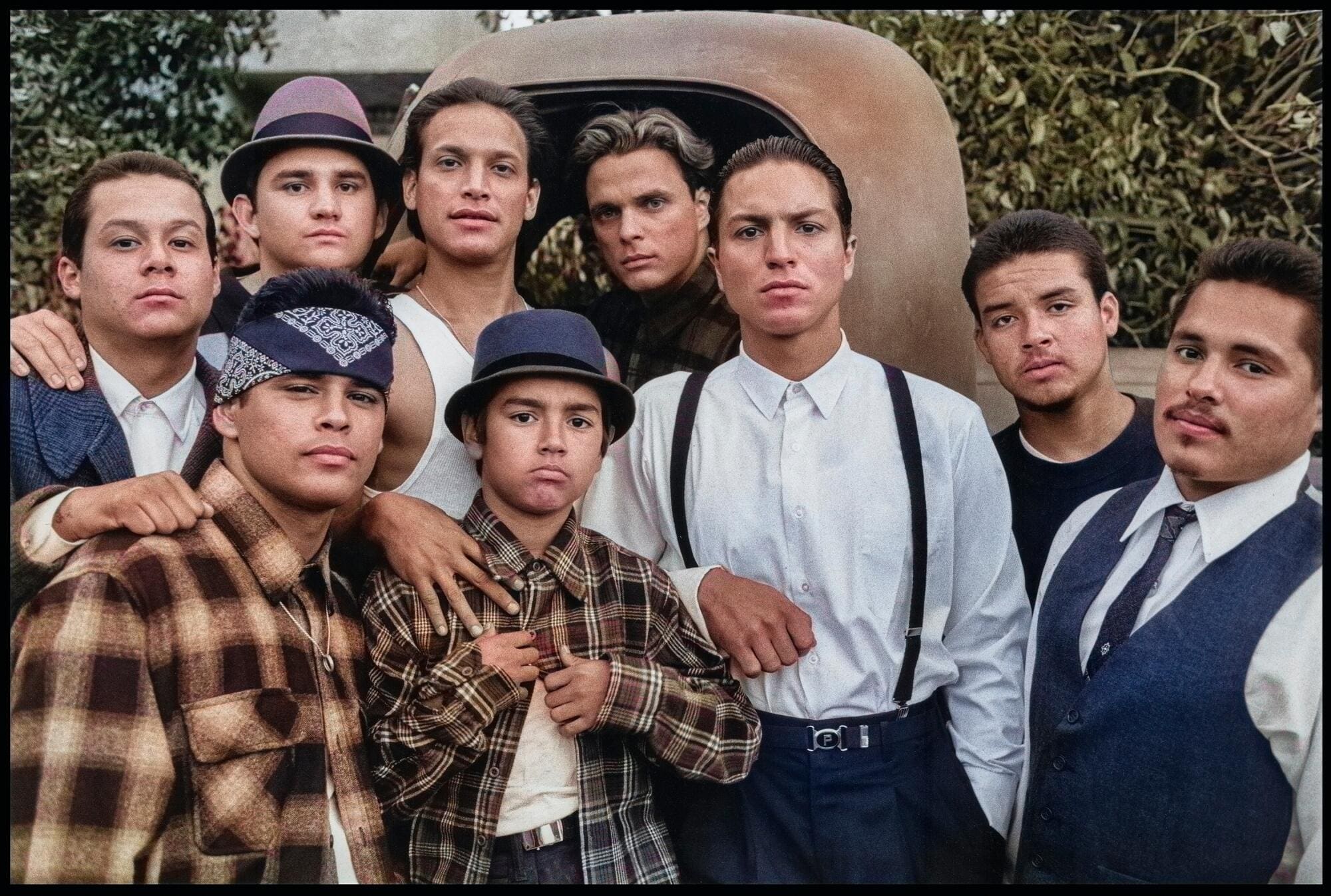
One of the sequel’s central concerns is the younger generation growing up in the shadow of decisions made before they were born. The neighborhood has changed physically and culturally, yet young people still encounter the same promises that once drew Miklo and Paco into dangerous relationships.
The younger characters are not simply repeating the past. They have their own ambitions and doubts, and some recognize that the old divisions offer them no future. Their choices create an urgent challenge for Miklo and Paco: whether they can protect a new generation without forcing it to live by rules that have already caused so much damage.
Brotherhood on Opposite Sides
The title BLOOD IN BLOOD OUT carries the weight of loyalty, sacrifice, and belonging. In this sequel, those ideas are tested by time. Miklo and Paco may no longer share the same understanding of brotherhood, but neither can treat their history as irrelevant.
Their encounters are charged with memories of friendship and betrayal. A familiar place can remind them of who they once were; a disagreement can expose how far apart they have become. Even when they stand on opposing sides of a growing conflict, their connection complicates every decision.
The film’s strongest tension comes from the possibility that both men may be right about different dangers. Miklo sees the immediate threat of disorder. Paco sees the long-term damage caused by answering violence with more violence. Their struggle is not merely over control of the neighborhood. It is a battle over what kind of future is still possible.
The Legacy of the Streets
With Damian Chapa and Benjamin Bratt returning to the characters of Miklo and Paco, BLOOD IN BLOOD OUT 2 (2026) brings its crime drama into a new era while retaining the emotional force of its central relationship. East Los Angeles is more than a backdrop: it is a community shaped by memory, family, changing generations, and the struggle to escape inherited expectations.
The sequel combines tense confrontations with a personal story about redemption and responsibility. Its central question is not simply who will gain power after the community leader’s murder, but whether the people caught in the conflict can prevent another generation from paying for the past.
Every street holds a memory, and every promise carries a consequence. Miklo and Paco know that better than anyone. Now they must decide whether brotherhood can mean something beyond loyalty to old rules—and whether the streets that remember everything can finally make room for a different future.