The complaint concerned a chain of unsafe rental buildings, but the hearing corridor looked ordinary. There were beige walls, a water fountain, and a row of metal chairs where adult tenants waited with folders on their laps. The public-interest attorney representing them had spent months collecting inspection records and testimony.
The opposing counsel represented the property owner. He was confident because the owner had money, influence, and a history of delaying proceedings until exhausted tenants gave up. He had already pressured two witnesses into changing their statements. The attorney knew the case would be difficult, but she believed the evidence was strong enough to survive intimidation.
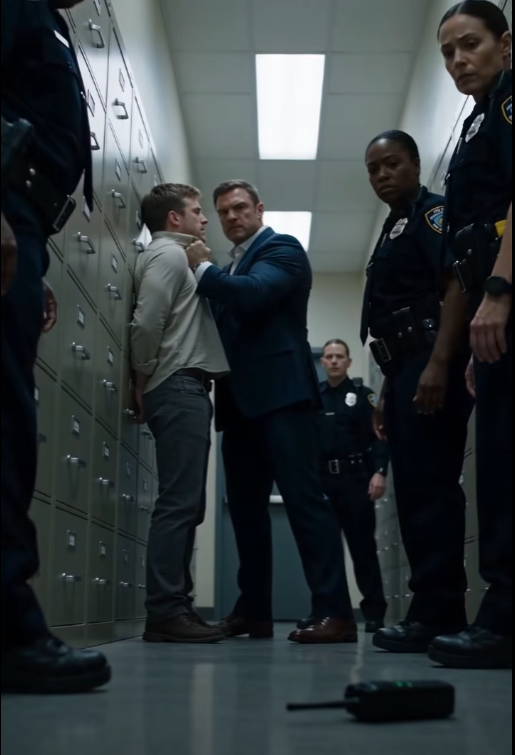
Just before the hearing, she stood beside the evidence cabinet reviewing her notes. The opposing counsel approached alone. His smile was polite from a distance, but his voice became threatening when he was close enough that the hallway cameras could not record clearly.
“Withdraw the complaint!” he demanded. He grabbed her wrist and blocked the doorway. She told him to release her. Two adult clerks looked over, but neither moved. They knew his professional reputation and feared becoming part of a confrontation.
He struck her once on the shoulder. The impact made her step sideways, and her folder slipped against the cabinet. He reached toward it, but she held it against her body. A small recorder clipped inside her jacket blinked once.
He had not noticed it.
The attorney had begun recording every meeting after the first witness changed their statement. She had also filed the recordings with the tribunal under a sealed evidence procedure, so even if the device disappeared, the material would remain protected.
The corridor fell strangely quiet. One clerk noticed the blinking light and understood what it meant. He pointed toward it, not speaking. The opposing counsel followed his gaze.
The attorney looked at him and said, “Your threat is already under seal.”
His expression changed from anger to calculation. He released her wrist and stepped away, but the moment had already been witnessed. The clerks approached now, no longer hesitant. One called building security. The other documented the injury report and preserved the corridor camera footage.
The hearing continued after a short delay. The attorney did not use the assault as a substitute for the tenants’ evidence. She presented the inspection records, the testimony, and the sealed recording separately. The judge allowed the recording to be reviewed because it demonstrated a continuing effort to interfere with the process.
The property owner’s case unraveled over the following months. Independent inspectors confirmed the unsafe conditions. Tenants were relocated while repairs were ordered. The opposing counsel was removed from the case and faced disciplinary proceedings for threatening a legal representative.
The attorney’s shoulder remained sore for several days, but she refused to let the incident become the story’s center. At the final hearing, she asked the tenants to speak first. One older tenant explained that she had stopped reporting leaks because she believed nobody would listen. Another described sleeping in a hallway during a winter outage.
The court ordered repairs, compensation, and independent monitoring. It also created a protected reporting channel for tenants who feared retaliation. The attorney did not receive a dramatic public award. Instead, she returned to her small office and began preparing the next case.
The clerks who had initially hesitated later apologized. She told them fear was understandable, but documentation mattered because courage was not always immediate. The recorder remained clipped inside her jacket for years afterward—not as a symbol of revenge, but as a reminder that threats often depend on the victim believing they will disappear without proof.