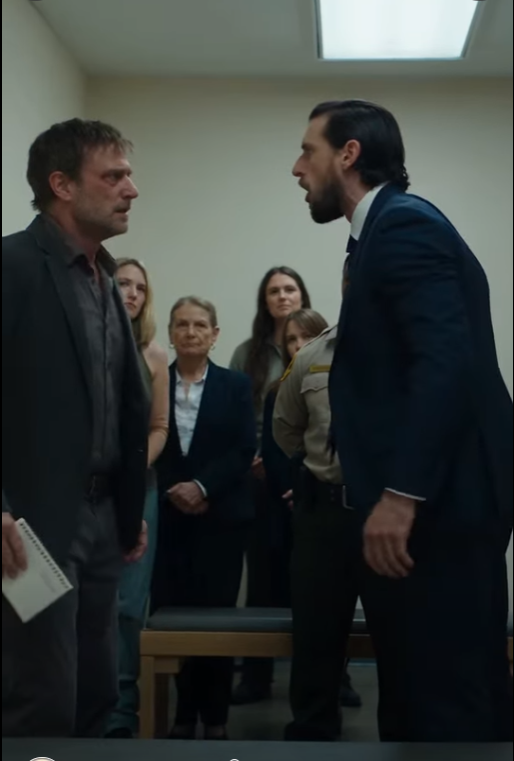
The investigation began with a missing shipment of medical equipment from a private warehouse. Because the equipment had been insured, several people had a motive to exaggerate or conceal what happened. A private investigator hired by the warehouse owner arrived at the station with an adult witness who had worked the night shift. He claimed the witness had confessed to stealing the equipment and had agreed to sign a statement.
The witness was a quiet inventory clerk who had reported a broken camera system two days before the disappearance. She had also noticed unfamiliar vehicles entering the rear loading area. Her supervisor told her not to make trouble and assured her the cameras would be repaired. When the shipment vanished, the supervisor blamed her immediately.
A fictional officer assigned to the case noticed inconsistencies in the investigator’s timeline. The investigator said he had interviewed the witness at the warehouse, but the witness insisted she had been taken to a private office and pressured for hours. The investigator produced a prepared statement accusing her of removing the equipment alone.
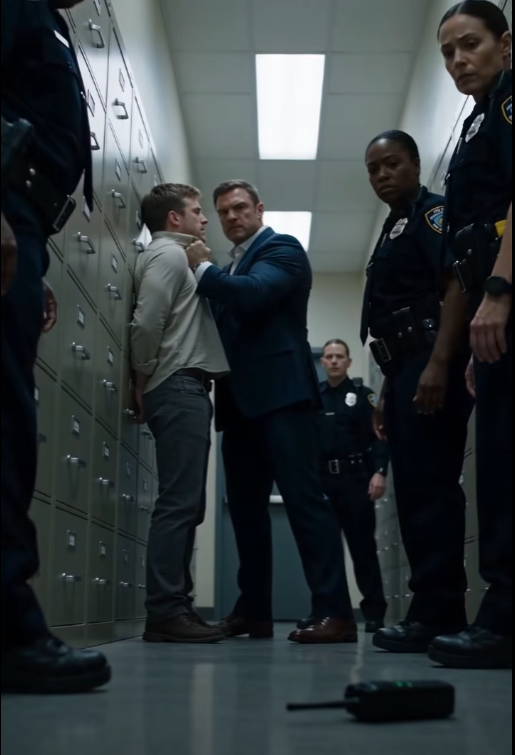
In the corridor outside the interview room, he ordered her to sign. She refused and asked for an independent representative. The investigator grabbed her collar and struck her upper shoulder with one heavy punch. The fabric snapped. She flinched, and the officer caught his wrist immediately after the impact. Another officer stepped between them while the investigator shouted that the witness was dangerous.
The corridor became silent. The witness adjusted her collar and looked at the officer’s body camera. Its indicator light was still active. The investigator followed her gaze and suddenly stopped struggling.
“Your camera caught the first lie,” the officer said.
The officer explained that the camera had been activated when the investigator entered the station. It had recorded the investigator telling staff that the witness had confessed before the witness had even been questioned. It had also captured his threats in the corridor. The recording did not prove who stole the equipment by itself, but it proved that the investigator was manufacturing a confession.
The officer reviewed the warehouse access logs with the witness. Her account matched a sequence of entries that had been omitted from the owner’s report. The unfamiliar vehicles belonged to a subcontractor connected to the warehouse supervisor. Further checks revealed that the missing equipment had been moved to a second storage site and reported stolen to trigger an insurance payment.
The investigator was detained for assault and evidence manipulation. The supervisor cooperated only after learning that the access records had already been preserved. The witness was not treated as a hero; she was offered protection and a choice about continuing the investigation. She chose to testify because she wanted the record to show that the first accusation had been deliberate.
The recovered equipment was returned, and the insurance claim was denied. The warehouse owner faced charges related to the scheme, while the witness received compensation for the retaliation and lost wages. The officer later recommended changes requiring independent representation whenever private investigators brought witnesses into official interviews.
The witness did not become an investigator herself. She returned to inventory work at a different facility and taught new employees how to report broken security systems without relying on verbal promises. She kept one copy of the body-camera report, not because she wanted to relive the assault, but because it reminded her that a lie often gains power only when nobody preserves its first version.
The investigator believed a uniformed corridor would make his story official. The camera showed that authority begins with what can withstand scrutiny.