The tenant asked why his unit was being charged more than the others. The manager told him that the increase was an opportunity to leave if he could not afford it. Several tenants signed because they feared losing their workspaces. The quiet tenant requested a copy of the ownership records before agreeing.
The manager became hostile. He claimed the tenant was delaying a lawful transfer and threatened to remove his tools. The tenant’s partner urged him to stay calm, explaining that their savings were tied to the workshop. The manager interpreted their caution as weakness.
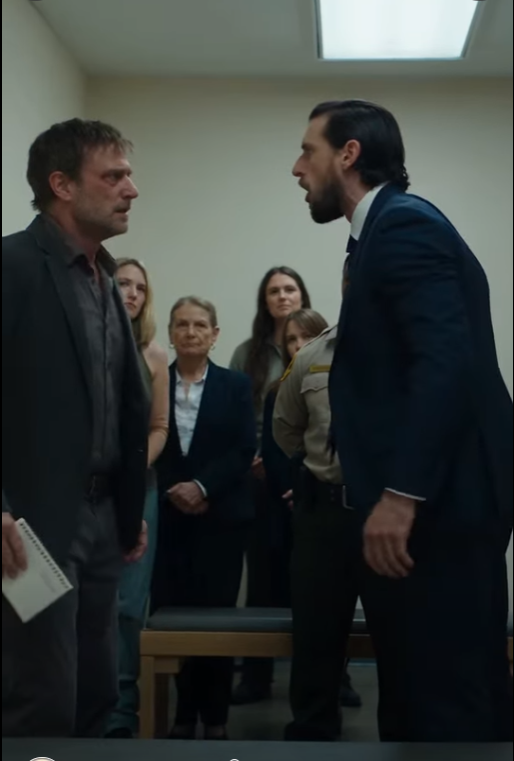
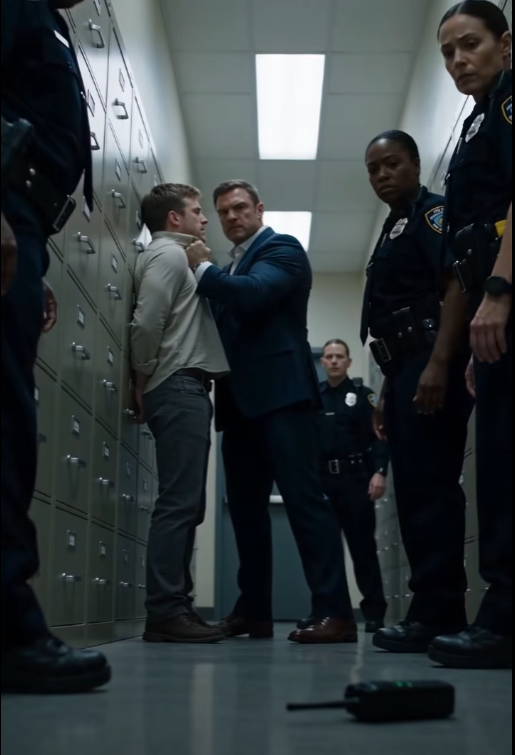
At a meeting in the property office, he placed a new agreement on the desk and demanded an immediate signature. When the tenant asked for independent review, the manager seized his lapel and shoved him backward. A chair scraped loudly, and the partner moved forward in alarm.
The tenant refused to sign. The manager struck his shoulder once. The partner stepped between them, while a clerk dropped a pen and stared at the manager. The room fell silent. The manager insisted that the tenant had no choice and that the building’s ownership had already changed.
The clerk, who had been reviewing the digital property archive, opened a secured file. The original owner had created a cooperative trust years earlier, assigning each long-term tenant a protected interest in the building. The manager had been hired only to oversee maintenance. He had no authority to alter rents, demand transfers, or remove tenants.
The tenant’s attorney arrived because the clerk had contacted her earlier in the day. She explained that the manager’s proposed agreement was invalid and that the attempted transfer of the building had never been authorized by the trust. The manager had used an unsigned preliminary document to frighten tenants into surrendering their rights.
The manager tried to take the file from the clerk, but the attorney warned him that the office cameras were recording. The tenant’s partner moved the agreement away from him, and the clerk saved a certified copy to the trust archive.
An investigation revealed that the manager had collected illegal fees from multiple tenants and had attempted to sell the building to a private investor. The trust removed him and appointed a temporary administrator. The tenants were reimbursed, and the building became a cooperative workspace with transparent rules.
The tenant did not become the public face of the cooperative. He preferred repairing furniture to attending meetings, but he agreed to serve on the maintenance committee. He insisted that every tenant receive the same information before any major decision.
The manager later apologized through his attorney, claiming he had believed the building’s records were outdated. The tenant did not accept the explanation as an excuse. He said the difference between a mistake and exploitation was what someone did after learning the truth.
The workshop remained open. The tenant kept the unsigned agreement pinned beneath a tool cabinet, not as a trophy, but as a reminder that pressure often works only when people believe they have no rights. The digital record had proved otherwise.