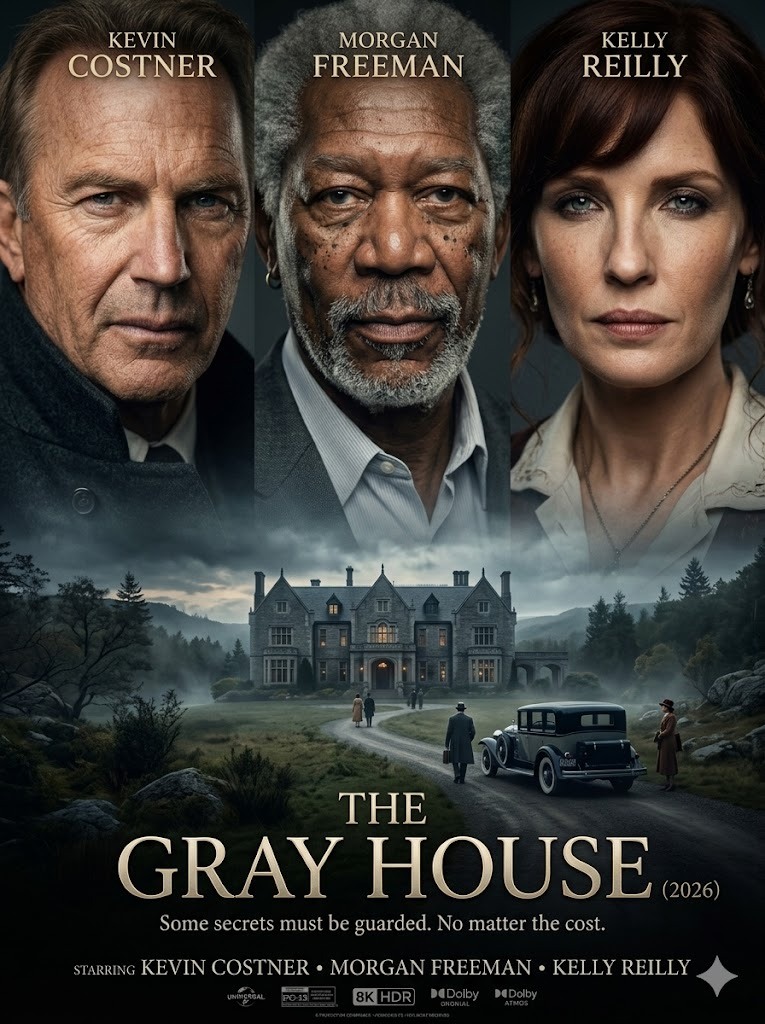
In an era where war was fought not only on battlefields but in whispers, coded letters, and hidden loyalties, The Gray House (2026) emerges as one of the most compelling historical drama series in recent years. Produced by industry legends like Kevin Costner and Morgan Freeman, this gripping series dives deep into a largely forgotten chapter of the American Civil War—one led not by generals, but by women operating in the shadows.
Blending espionage, psychological tension, and emotional depth, The Gray House is not just a war story. It is a story about identity, sacrifice, and the invisible forces that shape history.
A War Fought in Silence
Set during the brutal years of the American Civil War, the series transports viewers to Richmond, Virginia—the heart of the Confederate South. While soldiers clash in open combat, a far more dangerous game unfolds behind closed doors.
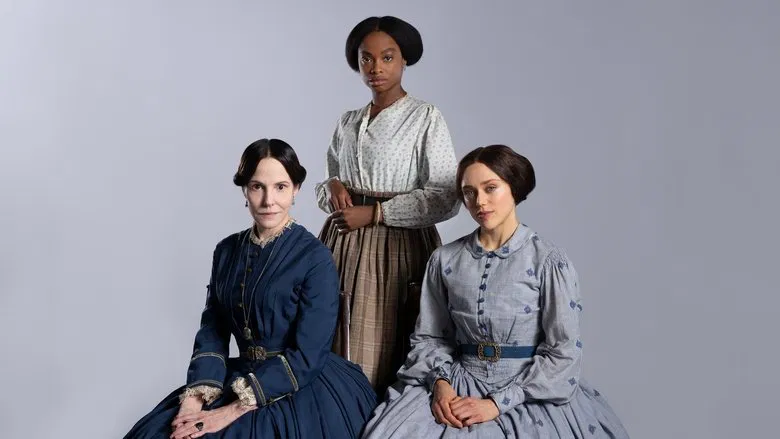
At the center of the story is Elizabeth Van Lew, a Southern socialite who defies expectations. Outwardly loyal to the Confederacy, she secretly orchestrates one of the most sophisticated spy networks in American history.
Her mission is simple in theory but deadly in practice:
- Gather intelligence from within Confederate society
- Protect escaped slaves
- Deliver critical information to Union forces
Every move she makes is a calculated risk. One mistake could mean execution—not just for her, but for everyone connected to her.
Women Who Changed the Course of War
What makes The Gray House (2026) truly stand out is its focus on female intelligence operatives—figures often overlooked in traditional war narratives.
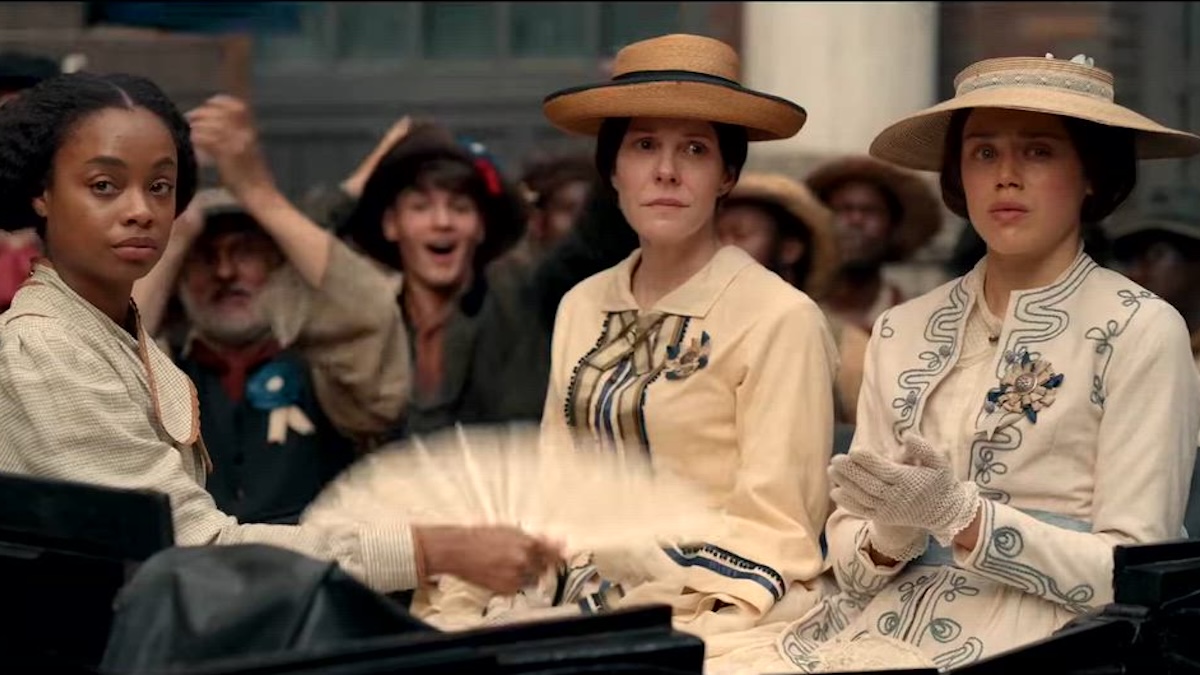
Among them is Mary Jane Richards, a formerly enslaved woman who becomes one of the most effective spies in the network. Moving between worlds unseen, she gathers information that men in power never suspect she possesses.
Then there is Clara Parish, a fictionalized composite character representing women trapped within the rigid structures of Southern aristocracy. Her internal conflict—between privilege and morality—adds a powerful psychological layer to the story.
Together, these women form a covert system of resistance:
- Hidden messages sewn into clothing
- Secret codes embedded in letters
- Underground routes used to move people and information
This is espionage at its most intimate and dangerous.
A House Full of Secrets
The title The Gray House itself is deeply symbolic.
It represents:
- Moral ambiguity (“gray” between right and wrong)
- Hidden identities
- A physical space where secrets are both protected and threatened
Much of the tension unfolds within carefully controlled environments—lavish Southern homes, dimly lit corridors, and guarded conversations over dinner tables.
Unlike traditional action-driven war dramas, this series thrives on:
- Silence
- Suspicion
- Psychological warfare
Every glance carries meaning. Every conversation may hide a coded message. Trust becomes the most valuable—and fragile—currency.
A Cinematic Approach to History
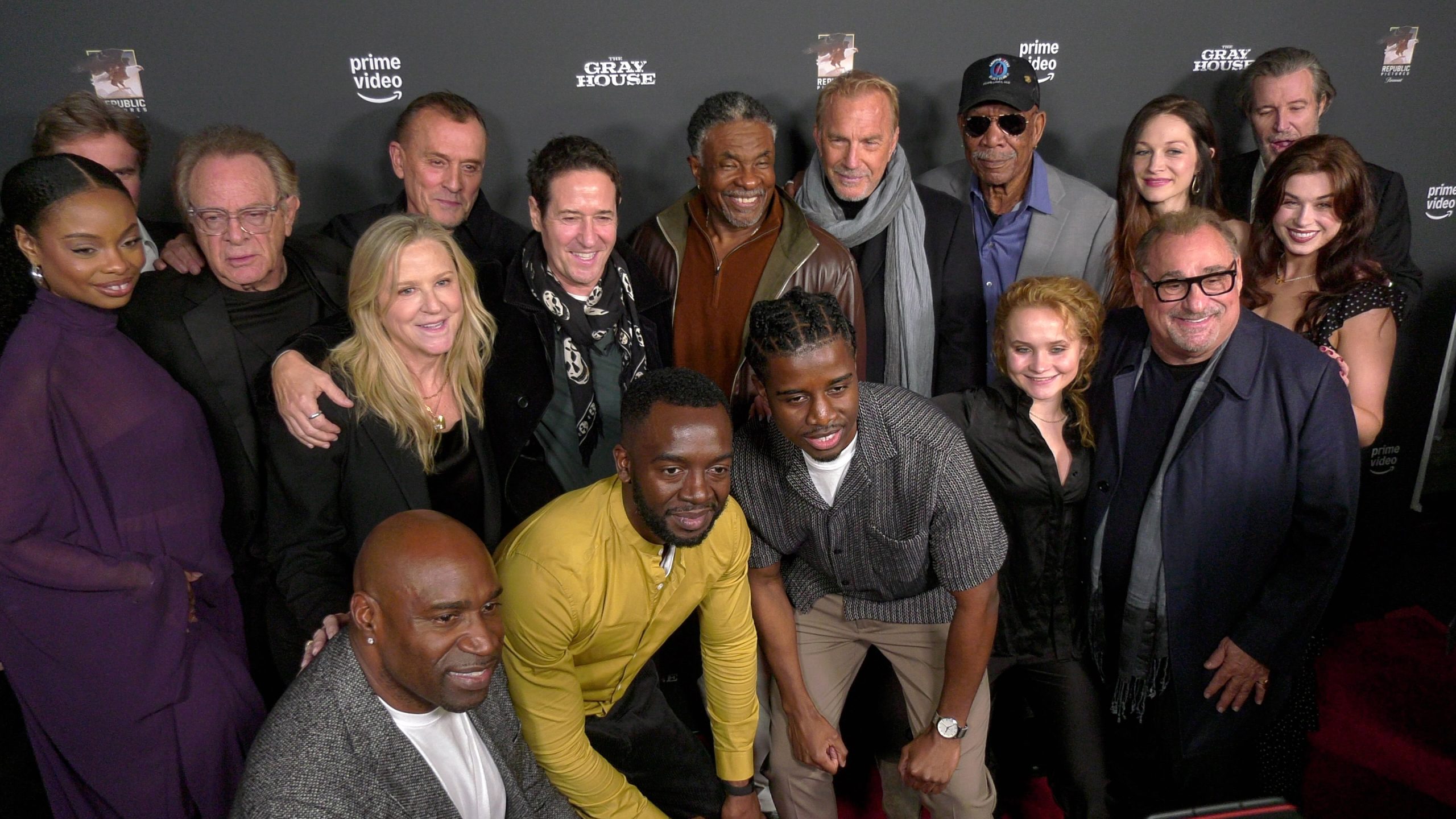
With the involvement of Kevin Costner, known for historical epics like Dances with Wolves, the series delivers a visually rich and emotionally grounded portrayal of the era.
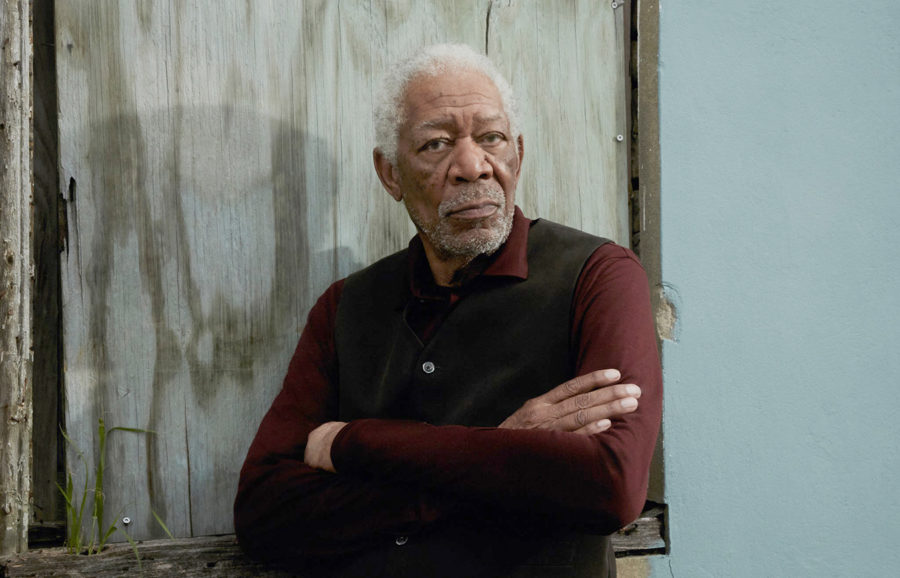
Meanwhile, Morgan Freeman brings narrative gravitas, ensuring the story maintains both authenticity and dramatic weight.
The cinematography leans heavily into:
- Natural lighting (candles, dusk tones)
- Muted color palettes reflecting wartime tension
- Close-up framing to capture emotional nuance
The result is an immersive viewing experience that feels both intimate and epic.
Themes That Resonate Today
While rooted in the 19th century, The Gray House (2026) speaks directly to modern audiences.
1. Dual Identity
Every main character lives a double life. The question is not just who they are—but who they pretend to be.
2. Moral Complexity
There are no clear heroes or villains. Survival often requires betrayal, and loyalty comes at a cost.
3. Power in Silence
The series highlights how influence doesn’t always come from authority—but from subtle, strategic action.
4. Forgotten Voices
Perhaps most importantly, it shines a light on the critical role women played in shaping history—roles that have long been underrepresented.
Why The Gray House Stands Out in 2026
In a landscape saturated with high-budget action series, The Gray House takes a different path.
It doesn’t rely on explosions or spectacle. Instead, it builds tension through:
- Character-driven storytelling
- Emotional stakes
- Historical authenticity
This makes it comparable in tone to prestige dramas like:
- The Americans
- Downton Abbey (with a darker edge)
- Mindhunter (in its psychological intensity)
But it ultimately carves out its own identity—one rooted in historical espionage and human vulnerability.
A Story That Feels Both Real and Urgent
What elevates The Gray House (2026) beyond standard historical drama is its ability to feel urgent and relevant.
The struggles these characters face—questions of identity, loyalty, and truth—are timeless. In an age where information is power and trust is fragile, their story resonates more than ever.
And perhaps that’s the greatest achievement of the series:
It reminds us that history is not just shaped by those in power—but by those brave enough to operate in the shadows.
Final Thoughts
The Gray House (2026) is more than a television series. It is a carefully crafted exploration of hidden history, brought to life through powerful performances, meticulous storytelling, and a deep respect for the past.
With the creative backing of Kevin Costner and Morgan Freeman, the series positions itself as a standout project in the modern era of prestige television.
For viewers seeking:
- Intelligent storytelling
- Emotional depth
- And a fresh perspective on history
This is a series that demands attention—and rewards it.